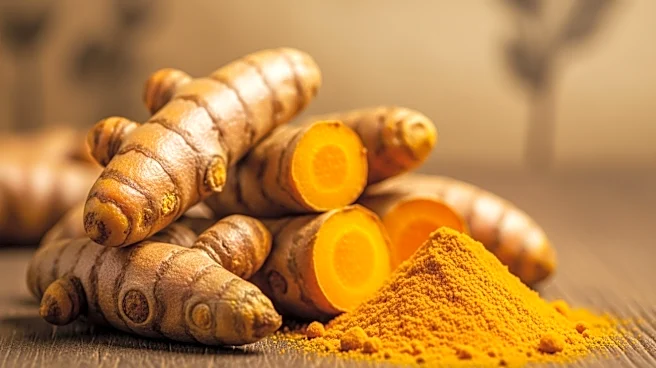






Turmeric, a spice derived from the Curcuma longa plant, has a rich history that spans centuries and continents. Originating in the Indian subcontinent and Southeast Asia, turmeric has been used for its vibrant color and potential health benefits. This article explores the historical journey of turmeric, from its ancient uses to its global spread.
Ancient Uses and Cultural Significance
Turmeric's history dates back to ancient times, where it was first used as a dye. In India, it became an integral
part of Ayurveda, Siddha medicine, and traditional Chinese medicine. The spice's bright yellow color made it a popular choice for dyeing the robes of Hindu and Buddhist monks, symbolizing purity and spirituality.
In Maritime Southeast Asia, turmeric was used by the Austronesian peoples for food, dyeing textiles, and body painting. Its use in animistic rituals highlights its cultural significance beyond culinary applications. The ancient use of turmeric among these peoples is evidenced by linguistic and circumstantial data, indicating its importance in their daily lives.
The Spread of Turmeric Across the World
Turmeric's journey from its native regions to other parts of the world is a testament to its versatility and appeal. The spice spread with the Austronesian expansion into Oceania, reaching as far as Hawaii and Easter Island. Its propagation relied on human introduction, as turmeric can only be grown from rhizomes.
In the Middle Ages, turmeric was known in Europe as "Indian saffron," reflecting its exotic origins and value. It was used as a dye plant, as noted in Assyrian cuneiform medical texts from the 7th century BCE. The spice's presence in a merchant's tomb in Megiddo, Israel, dating from the second millennium BCE, further illustrates its historical significance.
Turmeric in Modern Times
Today, turmeric is a global commodity, with India producing and consuming the majority of the world's supply. Its use has expanded beyond traditional medicine and culinary applications, finding a place in cosmetics and dietary supplements.
Despite its widespread use, scientific evidence supporting turmeric's health benefits remains limited. While curcumin, the active compound in turmeric, is approved as a food additive, its efficacy in treating diseases is not well-supported by clinical evidence.
Turmeric's historical journey is a fascinating tale of cultural exchange and adaptation. From its ancient roots to its modern applications, this vibrant spice continues to captivate and inspire people around the world.