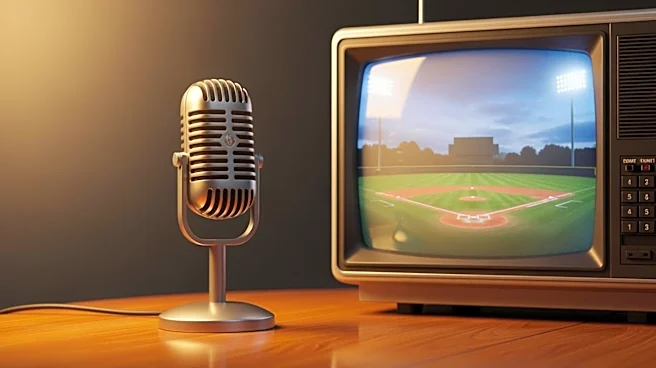







Baseball broadcasting has undergone significant transformations since its inception, evolving from radio to television. This transition not only changed how fans consumed the game but also influenced the sport's popularity and accessibility. The journey from radio waves to television screens is marked by pioneering efforts and technological advancements that have shaped the way baseball is experienced today.
The Early Days of Radio Broadcasting
The first Major League Baseball game broadcast
on radio took place on August 5, 1921, when Harold Arlin announced a game between the Pittsburgh Pirates and the Philadelphia Phillies. This event marked the beginning of baseball's relationship with radio, a medium that would become essential for sports fans. Arlin's broadcasts were so popular that they attracted record numbers of fans to Forbes Field, demonstrating radio's potential to enhance the game's reach.
Throughout the 1920s, radio networks like CBS and NBC expanded their capabilities, allowing for broader audience access. Despite initial reluctance from team owners who feared radio would deter fans from attending games, radio broadcasting became a staple of baseball culture. By the end of the decade, radio had established itself as a vital tool for sports broadcasting.
The Advent of Television Broadcasting
The first televised baseball game aired on May 17, 1939, between Princeton and Columbia, marking a new era in sports broadcasting. This game was broadcast by NBC's experimental station W2XBS, which would later become WNBC. The transition to television was gradual, with teams initially hesitant to embrace the new medium due to concerns about attendance.
However, television's ability to attract new audiences became evident as sets sold rapidly in the 1940s. By 1947, Major League Baseball teams began televising games, leading to a record attendance of 21 million the following year. The World Series was televised for the first time in 1947, further solidifying television's role in baseball broadcasting.
Technological Advancements and Impact
Television technology continued to evolve, enhancing the viewing experience for fans. The introduction of color broadcasts in the 1950s and the use of multiple cameras improved the quality and engagement of baseball telecasts. By the 1960s, satellite telecasts allowed for even greater reach, connecting fans across the country.
These advancements not only increased baseball's popularity but also changed the dynamics of fan engagement. Television brought the game into homes, making it accessible to casual fans and fostering a deeper connection with the sport. As technology progressed, baseball broadcasting adapted, ensuring that the game remained a central part of American culture.