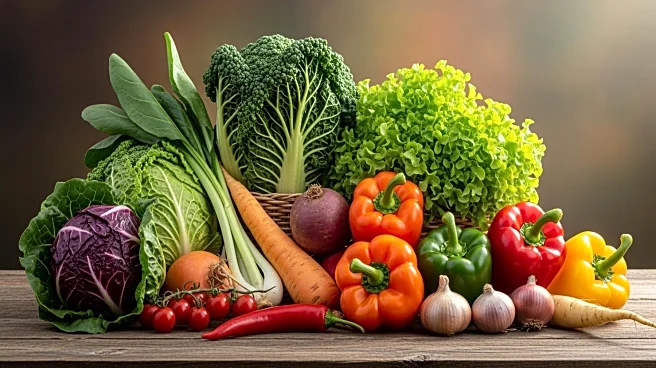




Vegetables have been a staple in human diets for thousands of years, evolving from wild plants to cultivated crops. This journey from foraged food to a key component of agriculture reflects significant changes in human society and technology. Understanding this evolution provides insight into how vegetables have shaped and been shaped by human culture and nutrition.
Early Foraging and Cultivation
Before the advent of agriculture, humans were primarily hunter-gatherers, relying on
the natural environment to provide food. They foraged for edible plants, including fruits, nuts, and various plant parts like stems and leaves. This early diet was supplemented by hunting animals, but plant-based foods were crucial for survival. The transition from foraging to farming marked a significant shift in human history. Around 10,000 BC to 7,000 BC, people began cultivating plants, selecting those with desirable traits such as larger fruits and more vigorous growth. This early form of agriculture allowed humans to settle in one place, leading to the development of more complex societies.
The Spread of Agriculture
As agriculture developed, so did the trade of crops. Initially, people cultivated plants that grew locally, but over time, trade routes expanded, bringing new and exotic vegetables to different regions. This exchange of crops enriched diets and introduced new flavors and nutrients. For example, the Aztecs in Central America relied on maize as a staple but also cultivated tomatoes, avocados, and beans. In ancient China, rice and wheat were staples, with vegetables like yams and soybeans providing essential nutrients. The spread of agriculture and trade not only diversified diets but also influenced cultural practices and cuisines around the world.
Modern Vegetable Production
Today, vegetables are grown globally, with China being the largest producer. The scale of production ranges from small subsistence farms to large agribusinesses. Advances in technology have allowed for the cultivation of vegetables in less suitable climates through the use of greenhouses and other protective environments. This global production and trade mean that consumers can access a wide variety of vegetables year-round, regardless of local growing seasons. The modern agricultural system has made vegetables more accessible, but it also raises questions about sustainability and the environmental impact of large-scale farming.
The evolution of vegetables from wild plants to a cornerstone of agriculture highlights the dynamic relationship between humans and their environment. As we continue to innovate and adapt, the role of vegetables in our diets and cultures will likely continue to evolve, reflecting broader changes in society and technology.