





Alfa Romeo has long been recognized for its innovative approach to automotive engineering, and its contributions to the development of variable valve timing (VVT) systems are no exception. As one of the first manufacturers to implement VVT in production cars, Alfa Romeo set the stage for future advancements in engine technology. This article explores Alfa Romeo's pioneering role in the evolution of VVT systems and its impact on the automotive industry.
The Introduction of VVT in Alfa Romeo Vehicles
In 1980, Alfa Romeo made history by introducing a mechanical VVT system in the Alfa Romeo Spider 2.0 L. This system, known as the variatore di fase, was a groundbreaking innovation that allowed for the adjustment of camshaft timing. By varying the phase of the cam timing, Alfa Romeo's system improved engine performance and efficiency, particularly at mid-range speeds.
The variatore di fase was later used in other Alfa Romeo models, such as the 1983 Alfetta 2.0 Quadrifoglio Oro. This demonstrated Alfa Romeo's commitment to advancing automotive technology and set a precedent for other manufacturers to follow. The success of these early VVT systems highlighted the potential of variable valve timing to enhance engine performance and reduce emissions.
Technical Aspects of Alfa Romeo's VVT System
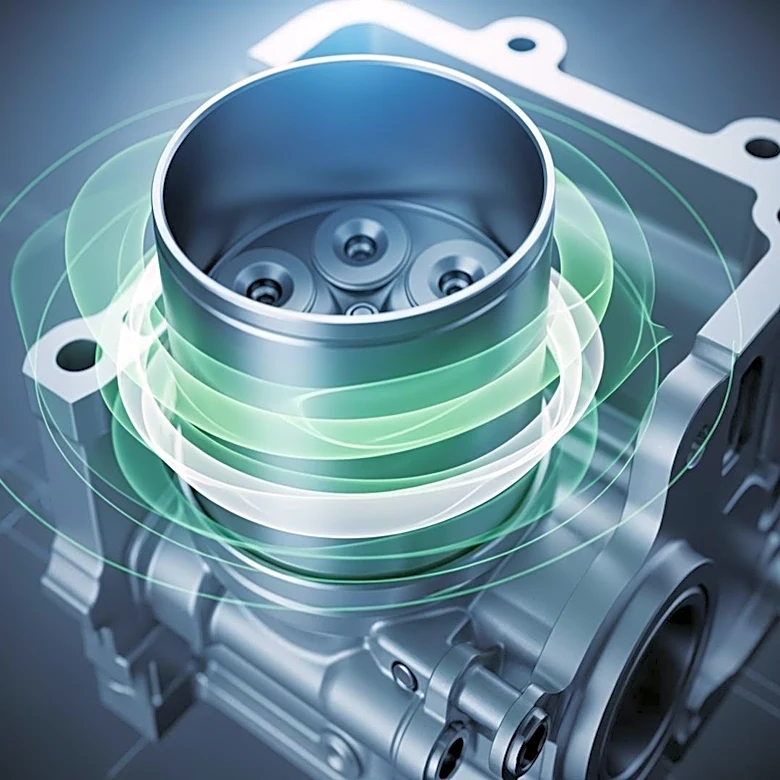
Alfa Romeo's VVT system was characterized by its simplicity and effectiveness. The system consisted of a cylindrical chamber containing a pressure chamber and piston with helical splines. Engine oil pressure moved the internal piston, which rotated slightly due to the helical splines, advancing the inlet valve timing by 25 degrees. This increased valve overlap, improving engine flexibility and reducing emissions.
The system was controlled by a solenoid valve, which directed pressurized oil into the variator at specific engine speeds. Typically, the solenoid would energize at around 1500-2000 rpm, advancing the camshaft position. At higher speeds, around 5000 rpm, the solenoid would switch off, returning the valve timing to its natural state. This two-setting system, while relatively simple, was highly effective in improving engine performance.
Legacy and Influence of Alfa Romeo's VVT Innovations
Alfa Romeo's early adoption of VVT technology paved the way for future developments in the field. By demonstrating the benefits of variable valve timing, Alfa Romeo inspired other manufacturers to explore and refine their own VVT systems. Today, VVT is a standard feature in many vehicles, contributing to improved fuel efficiency and performance.
The legacy of Alfa Romeo's pioneering work in VVT continues to influence the automotive industry, as manufacturers strive to develop more advanced and efficient engine technologies. Alfa Romeo's commitment to innovation and excellence remains a hallmark of its brand, underscoring its enduring impact on automotive engineering.