





Akira Kurosawa's Seven Samurai is renowned not only for its compelling narrative and character development but also for its rich use of symbolism, particularly through nature and weather. These elements are not merely backdrops but serve as powerful symbols that enhance the film's themes and the emotional depth of its characters. Through the use of rain, wind, and geographical settings, Kurosawa crafts a visual language that speaks to the struggles
and triumphs of the characters.
Nature as a Symbol of Conflict
In Seven Samurai, nature is intricately tied to the film's depiction of conflict. The bandits are first seen overlooking the village from a hill, analogous to the sun, symbolizing forces beyond the farmers' control. This imagery sets the stage for the farmers' struggle against external threats. The rain during the final battle serves as a symbol of nature aiding the farmers, while the cultural battle between samurai and bandits ends in mutual defeat.
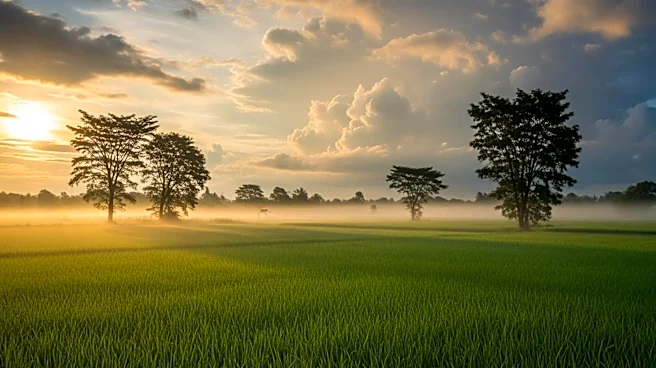
The farmers' hiring of the samurai is portrayed as a means to unite nature and culture, allowing them to pursue their agricultural ends. The rice planting scene symbolizes a metaphysical rejection of the samurai's wandering way of life, emphasizing the farmers' connection to the land and their resilience.
Weather and Emotional Cues
Weather in Seven Samurai is used to convey emotional cues and impending change. Rain is associated with scenes of contemplation, cooling the emotions of intense moments. For instance, the rain following the confrontation between Shino and her father acts as an emotional cue that tempers the scene's intensity.
Wind, on the other hand, is linked to emotional climaxes and change. It underscores the film's dramatic moments, enhancing the emotional impact of the characters' struggles. The use of weather as a narrative device allows Kurosawa to deepen the emotional resonance of the film, making the characters' experiences more vivid and relatable.
Geography and Space
Geography plays a crucial role in Seven Samurai, with the village itself symbolizing the abstract idea of community. The samurai's survey of the land upon arrival at the village highlights their strategic approach to defending it. The film uses editing to consistently reinscribe individuals into a space that forces identification with their social group.
The forest is depicted as a location of mystery and sensuality, adding layers to the film's exploration of human passion and conflict. The struggle against the mud in the final battle further emphasizes the characters' fight for survival, departing from the choreographed swordfights typical of contemporary jidaigeki films.