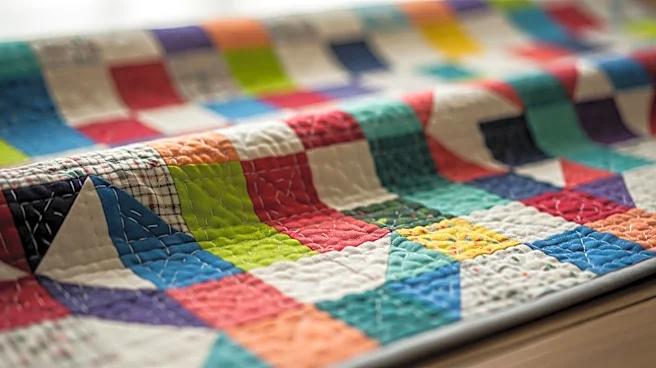

Patchwork quilts have long been a symbol of American folk art, representing the creativity and resourcefulness of early American settlers. These quilts, made from pieces of fabric sewn together to form
intricate designs, have played a significant role in American culture, serving as both practical items and cherished heirlooms. This article explores the cultural and social impact of patchwork quilts in America, highlighting their evolution and significance.
The Rise of Patchwork Quilts in America
Patchwork quilts became a distinct expression of American folk art in the nineteenth century. Initially, quilting was a leisure pursuit for women in both Europe and North America, with the earliest surviving specimens dating back to the eighteenth century. In America, quilting circles and bees became popular social gatherings, particularly in the Midwest and Great Plains regions.
These events were more than just opportunities to create quilts; they were important social occasions that fostered community bonds. Quilting bees often lasted overnight and sometimes took on political significance, such as during the abolition movement. Handmade quilts were common wedding gifts and were frequently mentioned in wills due to their sentimental value.
Patchwork Quilts as Cultural Heritage
Patchwork quilts are deeply connected to the everyday lives of early American settlers. They often reflect a mosaic of a woman's life, incorporating swatches of material from memorable events like wedding gowns or baptismal garments. The Amish people are renowned for their geometric patchwork designs, which feature solid color fabrics and independent quilting patterns.
Amish quilts are an expression of frugality, serving both practical and entertainment purposes. These quilts have been created since the mid-19th century, and some believe even earlier. The Amish and Mennonite women of Pennsylvania Dutch country have produced exquisite quilted masterpieces that continue to be celebrated today.
The Legacy and Influence of Patchwork Quilts
Patchwork quilts have left a lasting legacy in American culture, influencing various aspects of society. In 1987, the Names Project in San Francisco commenced as a memorial to those who died from AIDS, featuring quilt panels made by loved ones. Known as the AIDS Quilt, it grew to include thousands of panels and inspired similar projects worldwide.
Today, patchwork quilts are recognized as heritage objects with distinctive patterns, particularly associated with Canada and the United States. They continue to be produced and appreciated for their artistic and cultural significance. As a symbol of American folk art, patchwork quilts embody the creativity, resilience, and community spirit of the people who crafted them.
Patchwork quilts remain a cherished part of American culture, celebrated for their beauty, history, and the stories they tell. Whether displayed in museums or passed down through generations, these quilts continue to inspire and connect us to our heritage.