





The World Boxing Association (WBA) is one of the most prominent organizations in professional boxing, known for its role in sanctioning world championship fights. Its history is rich with developments that have shaped the sport over the decades. From its origins in the United States to its current global influence, the WBA has played a pivotal role in the evolution of boxing.
Origins and Early Years
The WBA was originally founded as the National Boxing Association (NBA) in 1921.
It was established by representatives from thirteen states in the United States, aiming to bring order and standardization to the sport of boxing. The first significant event under its sanction was the heavyweight championship fight between Jack Dempsey and Georges Carpentier in New Jersey. This fight marked the beginning of the NBA's influence in professional boxing.
In 1962, the organization underwent a significant transformation, changing its name to the World Boxing Association. This change reflected the growing international appeal of boxing and the organization's desire to expand its influence beyond the United States. The WBA began incorporating other nations as members, which helped it gain a more global presence.
Expansion and Global Influence
The WBA's decision to include international members was a strategic move that allowed it to become a truly global organization. By the 1970s, the WBA had established itself as a major player in the world of boxing, alongside other organizations like the World Boxing Council (WBC). The inclusion of Latin American nations was particularly significant, as it gave these countries a greater voice in the sport.
In 1974, the WBA's rules were modified to give a majority of votes to Latin American nations, a move that further solidified its international standing. This change was spearheaded by Rodrigo Sánchez and Miguel Iriarte, two influential figures in Panamanian boxing. Their efforts ensured that the WBA remained relevant and responsive to the needs of its diverse membership.
Modern Era and Challenges
Today, the WBA continues to be a leading authority in professional boxing, sanctioning numerous world championship fights each year. It has faced challenges, such as maintaining its relevance in a crowded field of boxing organizations. However, the WBA has managed to adapt and evolve, ensuring its place in the sport's future.
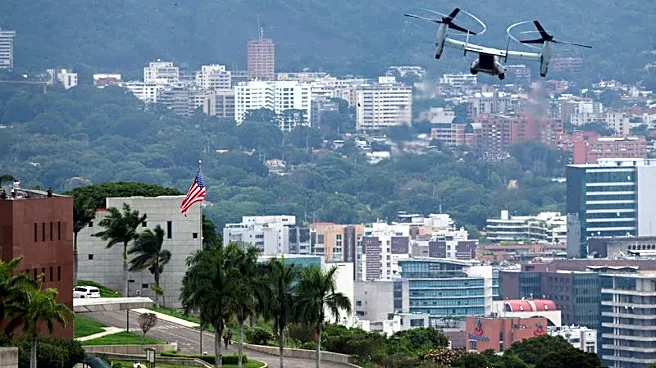
The WBA's headquarters have moved several times, reflecting its dynamic nature. Originally based in the United States, the headquarters were moved to Caracas, Venezuela, in the 1990s, and later returned to Panama City in 2007. This flexibility has allowed the WBA to remain at the forefront of boxing, adapting to the changing landscape of the sport.
In conclusion, the World Boxing Association's journey from a national body to a global powerhouse is a testament to its adaptability and commitment to the sport of boxing. Its influence continues to be felt worldwide, shaping the future of professional boxing for generations to come.