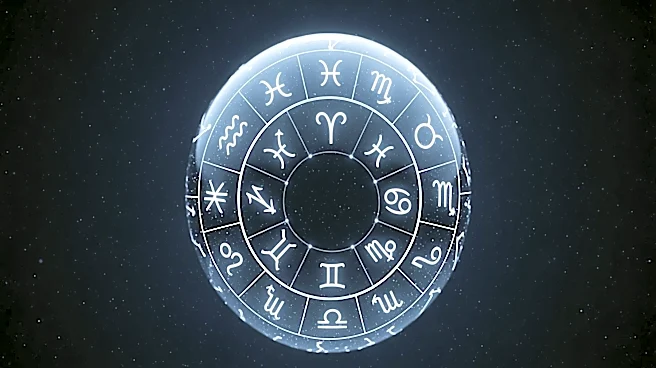

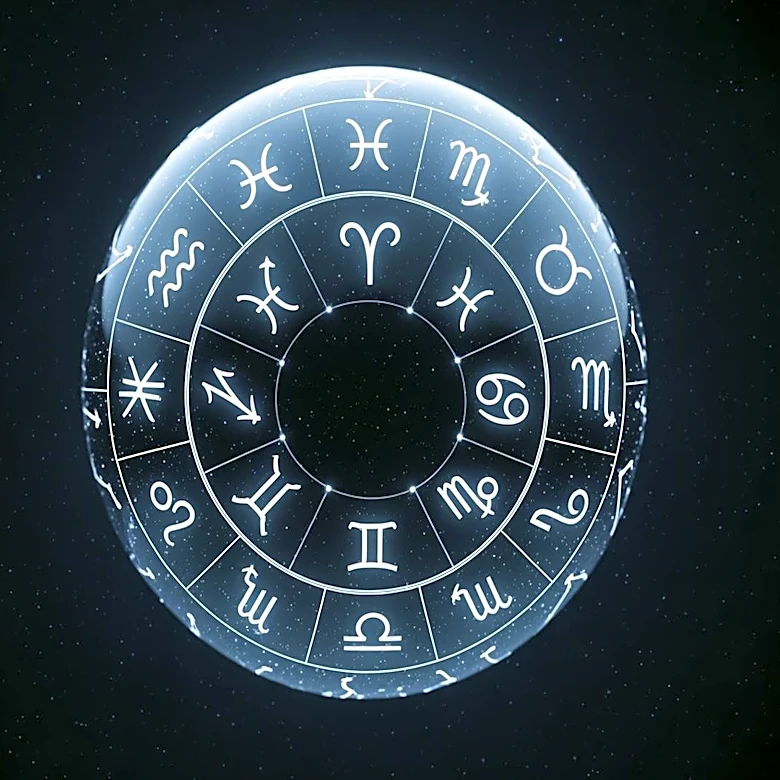





Astrology has long fascinated humanity, offering insights into personality and destiny through celestial patterns. A key component of astrology is domification, the division of the zodiac into twelve houses. This article explores the historical development of domification, highlighting its evolution from ancient times to the present.
Ancient Beginnings
Domification was absent in Babylonian horoscopes but emerged in the Greek-Egyptian texts of the Lagides era around the third
century BCE. Initially, the concept was not fully systematized, with early references to an eight-house system by Dorotheus of Sidon in the first century CE. However, this was a partial representation of the twelve-house system that would later become standard.
The Roman poet Manilius, a contemporary of Augustus, described a twelve-house system in his work, Astronomica. This period saw the development of various domification systems, including one by Porphyry, which remains influential today. Porphyry's system was used alongside the equal house system, where each house measured 30 degrees, with the ascendant at the center of the first house.
Medieval and Renaissance Developments
During the Middle Ages, domification continued to evolve. Heinrich Rantzau's Tractatus astrologicus de genethliacorum thematum, published in 1597, detailed five primary methods of domification known at the time. The most popular were those of Abraham ibn Ezra and Regiomontanus, followed by the system attributed to Ptolemy, used by Firmicus Maternus and others.
Other notable systems included those of Campanus and Alcabitius, with the latter being the most widely used until the seventeenth century. Alcabitius' method was a development of Porphyry's system, reflecting the ongoing refinement of astrological techniques.
Modern Domification Systems
Today, several domification systems are prevalent, named after the astrologers who introduced them. These include the Koch, Placido, Regiomontanus, and Campanus systems. Each offers a unique approach to dividing the zodiac, reflecting the diverse methodologies that have emerged over centuries.
Despite advancements, modern systems face challenges, particularly in calculating horoscopes for births in polar regions above 60 degrees latitude. This limitation highlights the complexity of domification and the ongoing quest for precision in astrology.
The study of domification reveals a rich tapestry of historical development, showcasing the enduring human desire to understand the cosmos. As astrology continues to evolve, the legacy of these ancient systems remains a testament to the intricate relationship between humanity and the stars.