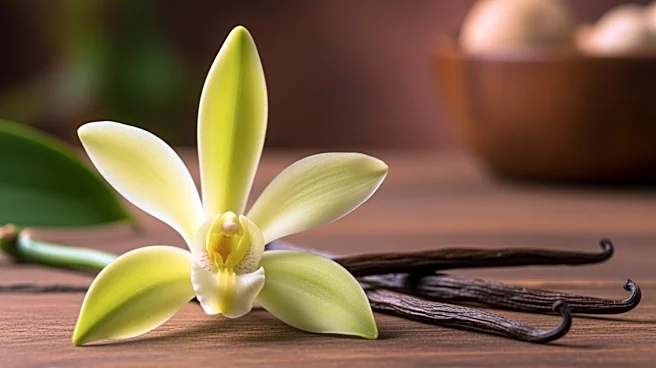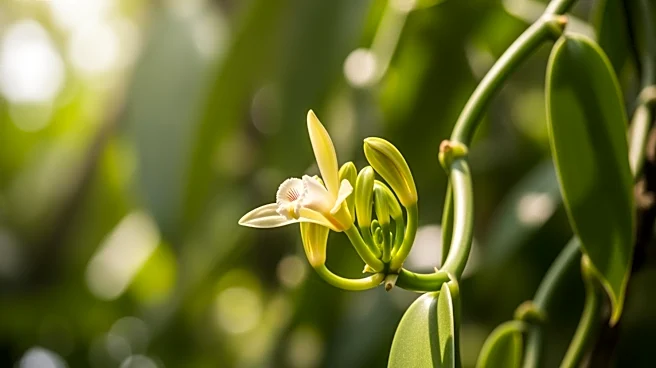

Vanilla planifolia, a species of vanilla orchid, has a rich history that traces back to its native regions in Mexico, Central America, Colombia, and Brazil. Known for its high vanillin content, this plant
has become a primary source of vanilla flavoring worldwide. Over the centuries, Vanilla planifolia has transitioned from a local crop to a globally cultivated commodity, facing challenges and adaptations along the way.
Native Origins and Early Cultivation
Vanilla planifolia is native to the neotropical realm, specifically in regions like southern Mexico, Central America, and parts of South America. Initially, it thrived in the lowland forests, where it grew as an evergreen vine. The plant's natural habitat provided the ideal conditions for its growth, with humid, warm climates and well-draining soils rich in calcium and potassium.
The early cultivation of Vanilla planifolia was primarily concentrated in Mexico, where it played a significant role in the rural economy. By the 20th century, the demand for vanilla flavoring had increased, prompting wider cultivation efforts. However, the plant's reliance on specific pollinators in its native habitat posed challenges for its spread beyond these regions.
Global Spread and Cultivation Challenges
The global spread of Vanilla planifolia began in earnest in the 19th century, with attempts to cultivate it in tropical areas around the world. Notably, the introduction of the plant to Reunion Island in 1822 marked a significant milestone. This successful introduction led to the widespread cultivation of vanilla in regions surrounding the Indian Ocean, including Madagascar and Indonesia, which now produce the majority of the world's vanilla supply.
Despite its global spread, Vanilla planifolia faced challenges due to its low natural pollination rates outside its native habitat. This necessitated the development of hand-pollination techniques, which became essential for commercial production. The labor-intensive nature of vanilla cultivation, coupled with the plant's specific growing requirements, has made it one of the most expensive spices in the world.
Modern Cultivation and Genetic Concerns
Today, Vanilla planifolia is cultivated in various tropical regions, including parts of Africa, Asia, and the Americas. The plant's cultivation relies heavily on clonal propagation through cuttings, as opposed to seed propagation. This method, while effective, has led to a genetic bottleneck, raising concerns about the plant's vulnerability to diseases and negative mutations.
Efforts to diversify the genetic pool of Vanilla planifolia are ongoing, with modern genetic research supporting these initiatives. Despite these challenges, the plant remains a vital crop, with its distinctive flavor continuing to be a staple in the food and beverage industry worldwide.
In conclusion, the journey of Vanilla planifolia from its native lands to global cultivation is a testament to human ingenuity and the enduring appeal of this unique spice. As cultivation practices evolve, the focus remains on preserving the plant's genetic diversity and ensuring its sustainability for future generations.