




Wind Cave National Park, located in South Dakota, is renowned for its unique geological features. Established in 1903, it was the first cave to be designated a national park in the world. The park is home to one of the most complex and dense cave systems, known for its rare calcite formations and intricate passageways. This article delves into the fascinating geological aspects that make Wind Cave a natural wonder.
The Unique Cave Formations
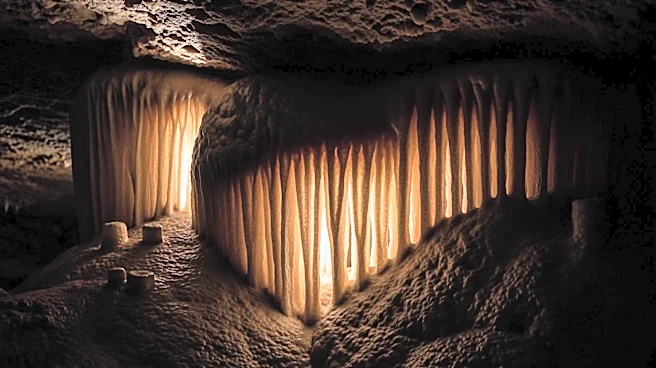
Wind Cave is famous for its calcite
formations, particularly the boxwork, which is a rare and intricate pattern of thin calcite fins resembling honeycombs. Approximately 95 percent of the world's discovered boxwork formations are found in Wind Cave, making it a significant geological site. These formations were created by the dissolution of limestone, leaving behind the more resistant calcite.
In addition to boxwork, the cave also features frostwork, which consists of delicate, needle-like crystals that form in the cave's cooler sections. These formations add to the cave's allure, drawing geologists and tourists alike to marvel at their beauty. The cave's unique geology is further highlighted by its status as a breathing cave, where air flows in and out to equalize pressure with the outside atmosphere.
The Cave's Extensive Passageways
Wind Cave is recognized as the densest cave system in the world, with the greatest passage volume per cubic mile. As of 2025, it is the sixth longest cave in the world, with over 168 miles of explored passageways. Despite its extensive network, the cave remains largely unexplored, with new sections continually being discovered.
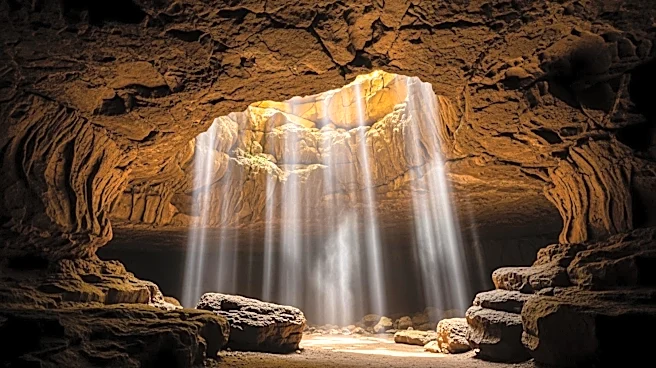
The cave's passageways are a testament to the geological processes that have shaped it over millions of years. The cave's development is attributed to the dissolution of limestone by acidic water, which carved out the intricate network of tunnels and chambers. This ongoing process continues to shape the cave, making it a dynamic and evolving natural wonder.
Above Ground: The Mixed Grass Prairie
While Wind Cave's underground features are its main attraction, the park also boasts the largest remaining natural mixed grass prairie in the United States. This prairie ecosystem is home to a diverse range of plant and animal species, contributing to the park's ecological significance.
The prairie provides a stark contrast to the cave's subterranean environment, offering visitors a chance to experience the park's diverse landscapes. The combination of unique geological formations and rich biodiversity makes Wind Cave National Park a must-visit destination for nature enthusiasts and geologists alike.
In conclusion, Wind Cave National Park is a geological marvel, offering a glimpse into the Earth's dynamic processes. Its unique formations, extensive passageways, and diverse ecosystems make it a site of both scientific interest and natural beauty.