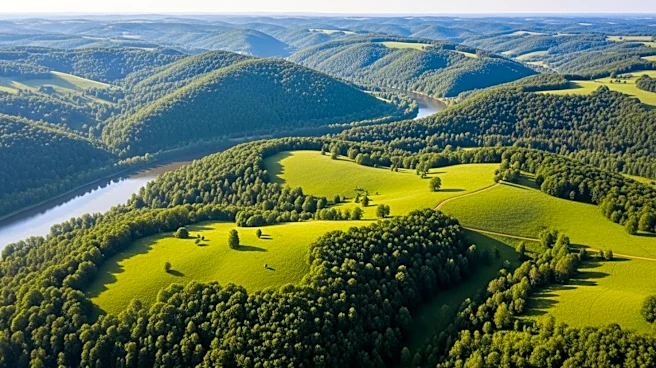








Kentucky is a state rich in geographic diversity and natural beauty. From its rolling hills and fertile plains to its extensive waterways and forests, Kentucky's landscape offers a variety of environments that have shaped its history and development. This article explores the state's geographic regions and the environmental features that make Kentucky unique.
Geographic Regions of Kentucky
Kentucky is divided into five primary geographic regions, each with its own distinct characteristics.
The Cumberland Plateau in the east is known for its coal mines and rugged terrain. The north-central Bluegrass region, home to major cities like Lexington and the state capital, Frankfort, is characterized by its fertile soil and rolling hills.
The south-central and western Pennyroyal Plateau, also known as the Pennyrile, features karst landscapes with sinkholes and caves. The Western Coal Fields are another significant region, historically important for coal mining. Finally, the far-west Jackson Purchase is a flat, fertile area that was acquired from the Chickasaw people in the early 19th century.
Climate and Natural Environment
Kentucky's climate is primarily humid subtropical, with hot, humid summers and moderately cold winters. The state experiences four distinct seasons, with variations in temperature and precipitation across different regions. The northern parts of Kentucky tend to be cooler, while the southern and western areas are warmer.
The state's natural environment includes a variety of ecosystems, from forests and wetlands to rivers and lakes. Kentucky is home to the world's longest known cave system, Mammoth Cave National Park, which attracts visitors from around the world. The state's waterways, including the Kentucky River and its tributaries, provide important resources for drinking water, recreation, and wildlife habitat.
Conservation and Wildlife
Kentucky has made significant efforts in conservation and wildlife management. The state has an expansive park system, including one national park, two national recreation areas, and numerous state parks and wildlife management areas. These protected areas help preserve Kentucky's natural beauty and biodiversity.
Wildlife reintroduction projects have been successful in Kentucky, with the re-stocking of elk in the eastern counties and the recovery of wild turkey populations. These efforts have helped restore native species and enhance the state's natural heritage.
Kentucky's geographic and environmental features are integral to its identity and offer a wealth of opportunities for exploration and appreciation. From its diverse landscapes to its rich biodiversity, Kentucky remains a state of natural wonder and beauty.