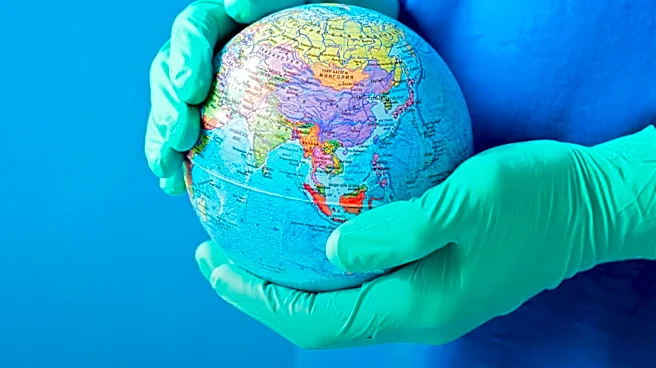








The 2009 swine flu pandemic, caused by the H1N1 virus, was a pivotal event in global public health. It not only challenged healthcare systems worldwide but also led to significant changes in public health policies and strategies. This article examines the impact of the pandemic on public health, focusing on vaccination campaigns, emergency preparedness, and international cooperation.
Vaccination Campaigns and Public Health Response
One of the most significant impacts of the 2009 swine flu pandemic
was the emphasis on vaccination as a primary tool for controlling infectious diseases. The rapid development and distribution of the H1N1 vaccine highlighted the importance of having robust vaccine production and distribution systems in place. Countries around the world launched extensive vaccination campaigns to curb the spread of the virus.
The pandemic underscored the need for effective communication strategies to address public concerns about vaccine safety and efficacy. Health organizations had to work diligently to build public trust and encourage vaccination, which was crucial in reducing the impact of the virus. The experience gained during the pandemic has informed subsequent vaccination efforts for other infectious diseases.
Emergency Preparedness and Response
The 2009 pandemic exposed gaps in emergency preparedness and response capabilities in many countries. It highlighted the need for comprehensive pandemic preparedness plans that include surveillance, rapid response, and resource allocation. The experience prompted governments to invest in strengthening their public health infrastructure and improving coordination among various health agencies.
The pandemic also emphasized the importance of having a flexible and adaptable response system. Health authorities had to quickly adjust their strategies as new information about the virus emerged. This adaptability has become a key component of public health planning, ensuring that systems can respond effectively to future health emergencies.
International Cooperation and Lessons Learned
The global nature of the 2009 swine flu pandemic underscored the importance of international cooperation in addressing public health threats. The World Health Organization played a central role in coordinating the global response, providing guidance and support to affected countries. The pandemic highlighted the need for countries to share information and resources to effectively combat infectious diseases.
Lessons learned from the 2009 pandemic have informed international health regulations and agreements. Countries have recognized the importance of collaboration in surveillance, research, and resource sharing. The pandemic served as a reminder that infectious diseases know no borders, and a coordinated global response is essential to protect public health.
In conclusion, the 2009 swine flu pandemic had a profound impact on public health policies worldwide. It reinforced the importance of vaccination, emergency preparedness, and international cooperation in managing infectious disease outbreaks. These lessons continue to shape public health strategies and ensure that countries are better prepared for future pandemics.