
Herbert Jefferis Pennock, born on February 10, 1894, in Kennett Square, Pennsylvania, was a prominent figure in the world of baseball. Known for his exceptional skills as a left-handed pitcher, Pennock's career spanned over two decades, leaving a lasting impact on the sport. His journey from a young athlete to a celebrated Hall of Famer is a testament to his dedication and talent.
Early Years and Career Beginnings
Herb Pennock's early life was rooted in Kennett Square, Pennsylvania,
where he was born to Theodore and Mary Louise Pennock. His family had Scotch-Irish and Quaker ancestry, tracing back to the arrival of William Penn in the United States. Pennock was the youngest of four children and attended Westtown School and Cedarcroft Boarding School, where he initially struggled as a first baseman. However, his coach at Cedarcroft recognized his potential and converted him into a pitcher, a decision that would shape his future.
Pennock's professional career began when he was signed by the Philadelphia Athletics in 1912. Despite being used sparingly, he made his major league debut on May 14, 1912, becoming the youngest player in the American League that season. His early years were marked by challenges, including an illness that sidelined him for most of the 1913 season. Nevertheless, Pennock's talent was undeniable, and he soon became a key player for the Athletics.
Rise to Prominence with the Red Sox and Yankees
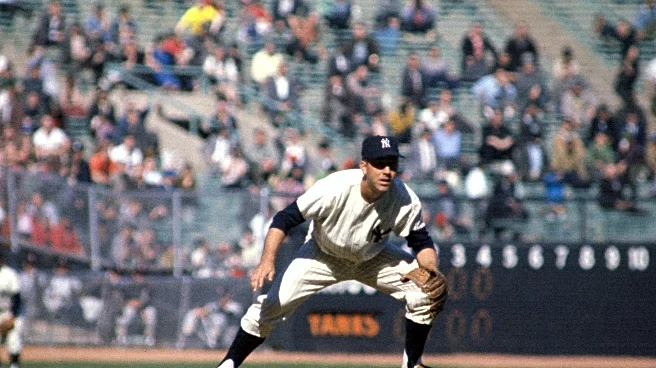
In 1915, Pennock's contract was sold to the Boston Red Sox, where he began to establish himself as a formidable pitcher. After serving in the military during World War I, he returned to the Red Sox in 1919 and quickly became a regular contributor. His performance caught the attention of the New York Yankees, who acquired him after the 1922 season. Pennock played a crucial role in the Yankees' success, helping them secure four World Series championships.
Pennock's time with the Yankees solidified his reputation as one of the greatest left-handed pitchers in baseball history. His ability to perform under pressure and his strategic approach to the game made him a valuable asset to the team. His contributions were instrumental in the Yankees' dominance during the mid to late 1920s and early 1930s.
Post-Playing Career and Hall of Fame Induction
After retiring as a player, Pennock transitioned to coaching and executive roles. He served as a coach and farm system director for the Red Sox and later became the general manager of the Philadelphia Phillies. His leadership and vision helped shape the future of the teams he managed.
Herb Pennock's legacy was cemented when he was inducted into the National Baseball Hall of Fame in 1948, shortly after his death from a cerebral hemorrhage. His career achievements and contributions to baseball continue to be celebrated, and he remains a revered figure in the sport's history.