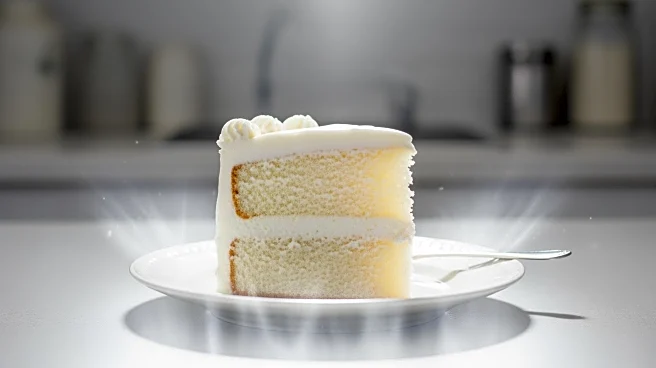




Angel food cake, with its light and airy texture, has a rich history that dates back to the 19th century in the United States. This article explores the cake's origins, its rise in popularity, and how it has evolved over the years to become a staple in American dessert culture.
Origins in the 19th Century
Angel food cake is believed to have originated in the United States during the 19th century. It gained its name and popularity in the 1870s, a time when the cake's unique characteristics
began to distinguish it from other desserts. The cake's light texture and white color were seen as heavenly, which likely contributed to its angelic name.
The cake's development coincided with advancements in kitchen technology, such as the rotary egg beater, which made it easier to whip egg whites to the necessary consistency. This innovation allowed home bakers to achieve the cake's signature airy texture without the labor-intensive process of hand-whisking.
Popularity in the 20th Century
By the 1930s, angel food cake had become a popular dessert across the United States. The technique of folding in half the sugar became standard, resulting in a more tender and moist cake. During this time, variations of the cake began to emerge, incorporating flavors like maraschino cherries, peppermint, and crushed canned pineapple.
The cake's association with special occasions also grew. Among African Americans, it became a traditional dessert at funeral receptions, symbolizing the belief that the deceased had ascended to heaven. For the Pennsylvania Dutch, it was considered a wedding cake, with the couple believed to be blessed by angels.
Modern Variations and Cultural Significance
In the latter half of the 20th century and into the 21st century, angel food cake continued to evolve. Its low-fat content made it a popular choice for health-conscious consumers. Filled and party versions of the cake became common, often featuring strawberries and chocolate Bavarian cream.
Today, angel food cake remains a beloved dessert, celebrated for its simplicity and versatility. It is often served with a variety of toppings, from fresh fruit to rich sauces, allowing for endless customization. Despite its evolution, the cake's core characteristics—its lightness and airy texture—remain unchanged, ensuring its place in the pantheon of classic American desserts.