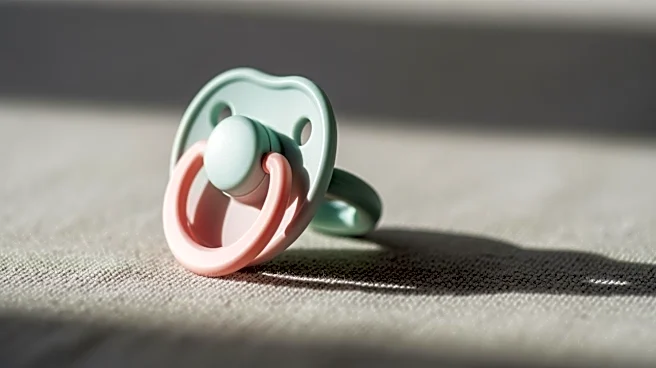








Pacifiers are widely used to soothe infants, but their use comes with both benefits and potential drawbacks. This article examines the advantages and disadvantages of pacifier use, providing a balanced view of their role in infant care.
Benefits of Pacifier Use
Pacifiers offer several benefits that make them a popular choice for parents. One of the primary advantages is their ability to calm infants by satisfying their natural sucking reflex. This can be particularly helpful
in reducing crying and providing comfort during minor procedures, such as venipuncture.
Research suggests that pacifiers may decrease the risk of sudden infant death syndrome (SIDS). While the mechanism behind this association is not fully understood, some experts argue that the potential reduction in SIDS risk is a compelling reason to recommend pacifier use. Additionally, pacifiers can help premature infants develop their sucking reflex, aiding in their transition from tube to bottle feeding.
Drawbacks and Concerns
Despite their benefits, pacifiers are not without drawbacks. One concern is their potential impact on breastfeeding. The American Academy of Pediatrics advises against introducing pacifiers during the first month, as they may lead to "nipple confusion" and interfere with effective breastfeeding. Babies may prefer the pacifier over nursing, which can affect the mother's milk supply.
Pacifier use has also been linked to an increased risk of ear infections (otitis media). While the effectiveness of avoiding pacifiers to prevent ear infections is not well-established, prolonged use can lead to dental issues. Non-nutritive sucking habits, such as pacifier use, can cause malocclusion of the teeth if continued beyond three years.
Balancing Benefits and Risks
Parents must weigh the benefits and risks of pacifier use to make informed decisions about their child's care. The American Academy of Pediatric Dentistry supports parental choice in pacifier use, acknowledging the lower risk of finger sucking habits. However, they caution against prolonged use beyond 18 months due to potential negative effects on the orofacial complex.
Ultimately, the decision to use pacifiers should be based on individual circumstances and preferences. While pacifiers can provide comfort and reduce SIDS risk, parents should be mindful of potential drawbacks, such as breastfeeding interference and dental issues.
Pacifiers play a significant role in infant care, offering both benefits and challenges. By understanding the advantages and potential drawbacks, parents can make informed choices that best suit their child's needs and well-being.