






Frogs are remarkable creatures known for their ability to adapt to a wide range of environments. From tropical rainforests to arid deserts, frogs have developed a variety of adaptations that enable them to survive and thrive. This article explores the fascinating adaptations of frogs, highlighting their unique features and behaviors that have contributed to their success as a species.
Physical Adaptations
One of the most notable adaptations of frogs is their powerful hind
limbs, which are perfectly suited for jumping. This ability to leap great distances allows frogs to escape predators and move efficiently through their environment. The fusion of bones in their legs and the development of elongated ankle bones are key features that enhance their jumping capabilities.
Frogs also possess specialized skin that plays a crucial role in their survival. Their skin is permeable, allowing them to absorb water and oxygen directly from their surroundings. This adaptation is particularly important for frogs living in dry environments, as it helps them maintain hydration. Additionally, many frogs have developed toxic skin secretions that deter predators, providing an effective defense mechanism.
Behavioral Adaptations
In addition to physical adaptations, frogs exhibit a range of behaviors that aid in their survival. Many species are nocturnal, reducing their exposure to predators and harsh environmental conditions during the day. This behavior is complemented by their ability to change skin color, which helps them regulate body temperature and blend into their surroundings.
Frogs are also known for their vocalizations, which play a vital role in communication and mating. Male frogs produce calls to attract females and establish territories. These calls vary greatly among species and can be heard over long distances, demonstrating the importance of sound in frog behavior.
Environmental Adaptations
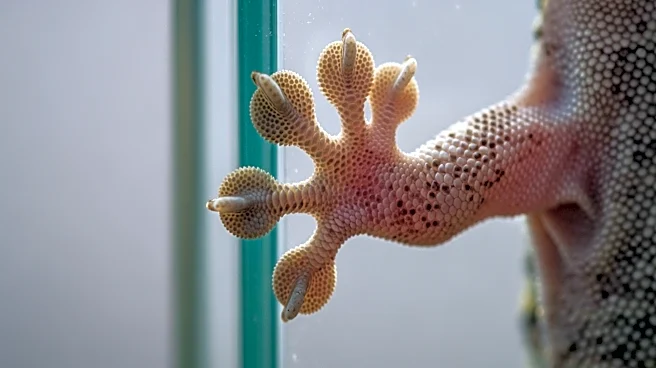
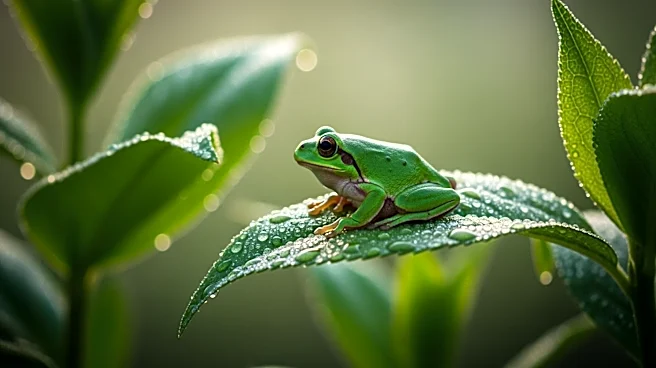
Frogs have adapted to a variety of habitats, from aquatic environments to treetops. Aquatic frogs often have webbed feet that aid in swimming, while arboreal frogs possess adhesive toe pads that allow them to climb and navigate through trees. These adaptations enable frogs to exploit different ecological niches and avoid competition for resources.
In arid regions, some frogs have developed the ability to aestivate, entering a state of dormancy during dry periods. This adaptation allows them to conserve energy and survive until favorable conditions return. Such flexibility in behavior and physiology underscores the adaptability of frogs to changing environments.
Frogs are truly masters of adaptation, with a wide range of physical, behavioral, and environmental adaptations that have allowed them to thrive in diverse habitats. Their ability to adjust to different conditions is a testament to their evolutionary success and highlights the importance of preserving their habitats in the face of environmental challenges.