





The human eye is a remarkable organ capable of adapting to a wide range of lighting conditions. This adaptability is largely due to the presence of two types of photoreceptor cells: rods and cones. While rods are primarily responsible for vision in low-light conditions, cones play a crucial role in adapting to brighter environments. This article delves into the function of cone cells in visual adaptation, highlighting their importance in our ability to perceive
color and detail in well-lit settings.
The Function of Cone Cells
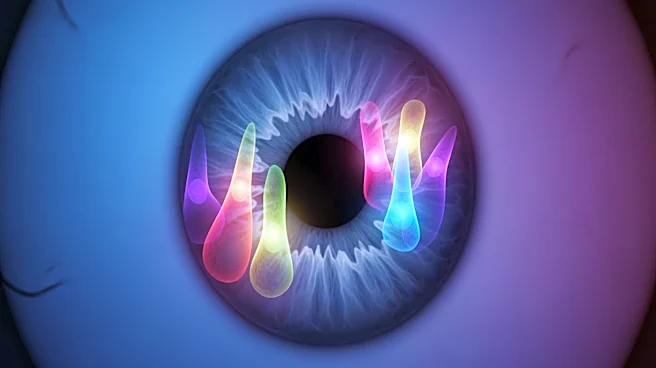
Cone cells are one of the two main types of photoreceptor cells found in the retina of the eye. Unlike rods, which are more sensitive to light and are responsible for night vision, cones are less sensitive but are crucial for color vision and visual acuity. There are approximately 4.5 million cone cells in the human eye, concentrated in the fovea centralis, a small depression in the retina that provides the clearest vision.
Each cone cell contains photopigments that are sensitive to different wavelengths of light, allowing us to perceive a wide range of colors. There are three types of cone cells, each sensitive to either short (blue), medium (green), or long (red) wavelengths. This trichromatic system enables the human eye to distinguish millions of colors, a capability that is essential for tasks requiring fine detail and color discrimination.
Cone Cells and Light Adaptation
Light adaptation is the process by which the eye adjusts to changes in illumination, allowing us to see clearly in different lighting conditions. Cone cells are primarily responsible for this adaptation in bright environments. When moving from a dark to a brightly lit area, cone cells quickly adjust to the increased light levels, a process that takes only a few minutes.
During light adaptation, the photopigments in cone cells undergo a rapid chemical change, allowing them to become less sensitive to light. This adjustment prevents the overstimulation of the retina, which can cause discomfort or temporary blindness. The ability of cone cells to adapt quickly to changes in light is crucial for activities such as driving or moving between indoor and outdoor environments.
The Importance of Cone Cells in Visual Perception
Cone cells not only facilitate light adaptation but also play a vital role in our overall visual perception. They provide the sharpness and clarity needed for reading, recognizing faces, and appreciating art. The concentration of cone cells in the fovea centralis allows for high-resolution vision, enabling us to focus on fine details.
Moreover, the ability to perceive color is largely dependent on the function of cone cells. This capability enhances our interaction with the environment, influencing everything from food selection to social interactions. Without the proper functioning of cone cells, our world would appear in shades of gray, significantly impacting our quality of life.
In conclusion, cone cells are essential for adapting to bright light and for the perception of color and detail. Their role in visual adaptation underscores the complexity and efficiency of the human visual system, allowing us to navigate and appreciate the world around us.