



Fermentation is a culinary tradition that transcends borders, with each region of the world offering its unique take on this ancient process. From Asia to Europe and beyond, fermented foods are a testament to the creativity and adaptability of human cultures. This article explores the diverse range of fermented foods from different regions and their significance in local cuisines.
Asian Fermented Delicacies
Asia is home to a rich variety of fermented foods, each with its distinct
flavor and cultural significance. In Japan, natto, a fermented soybean dish, is a traditional breakfast food known for its strong aroma and sticky texture. Similarly, miso, a fermented soybean paste, is a staple in Japanese cuisine, used in soups, marinades, and sauces.
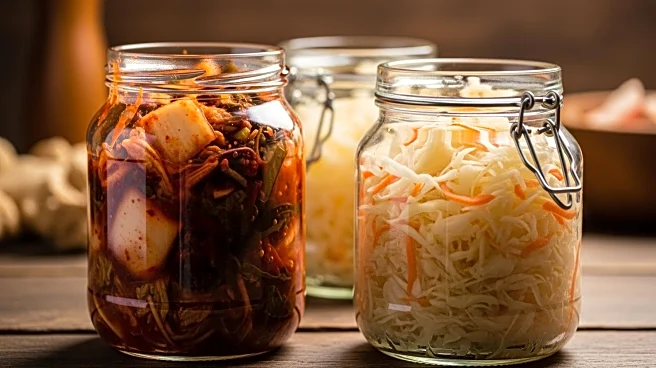
Korea is famous for kimchi, a spicy fermented vegetable dish that is a cornerstone of Korean meals. Made from napa cabbage and radishes, kimchi is seasoned with chili pepper, garlic, ginger, and other spices, then left to ferment, resulting in a tangy and flavorful dish. In China, fermented bean curd and soy sauce are essential ingredients, adding depth and umami to a wide range of dishes.
European Fermented Classics
Europe boasts its own array of fermented foods, many of which have become global favorites. In Germany, sauerkraut, a fermented cabbage dish, is a traditional accompaniment to sausages and meats. The fermentation process gives sauerkraut its characteristic sour taste and extends its shelf life, making it a practical and flavorful addition to meals.
In the dairy-rich regions of Europe, cheese and yogurt are prominent fermented foods. France, Italy, and Switzerland are renowned for their diverse cheese varieties, each with unique textures and flavors resulting from specific fermentation techniques. Yogurt, a fermented milk product, is enjoyed across the continent, often served with fruits or honey.
Fermentation in Other Regions
Fermentation is not limited to Asia and Europe; it is a global practice with variations found in every corner of the world. In Africa, fermented grains and dairy products are common, with dishes like injera, a fermented flatbread from Ethiopia, and amasi, a fermented milk drink from South Africa.
In Latin America, fermented beverages like chicha, made from corn, and pulque, made from agave, are traditional drinks with deep cultural roots. These beverages are often consumed during festivals and celebrations, highlighting their importance in social and cultural contexts.
The global diversity of fermented foods showcases the ingenuity of human cultures in utilizing fermentation to enhance flavors, preserve food, and create culinary traditions that continue to thrive today.