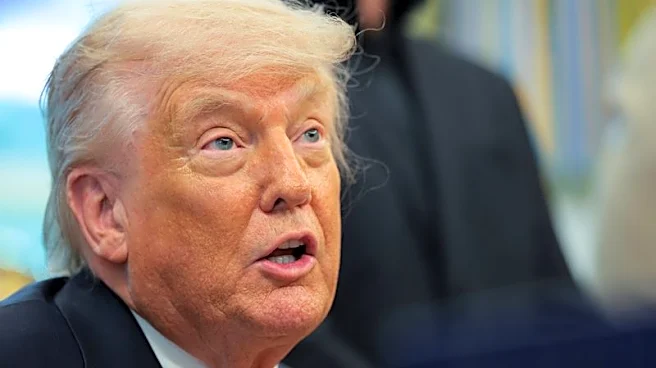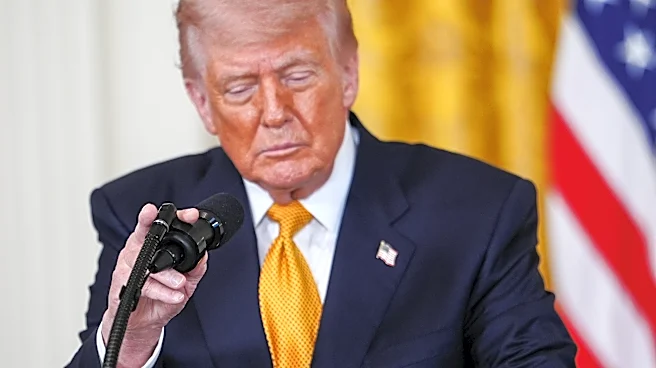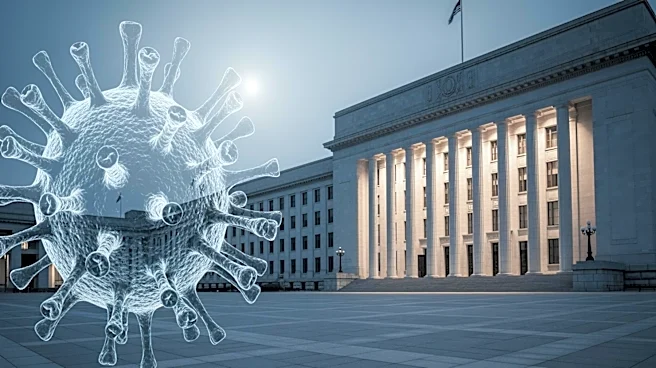





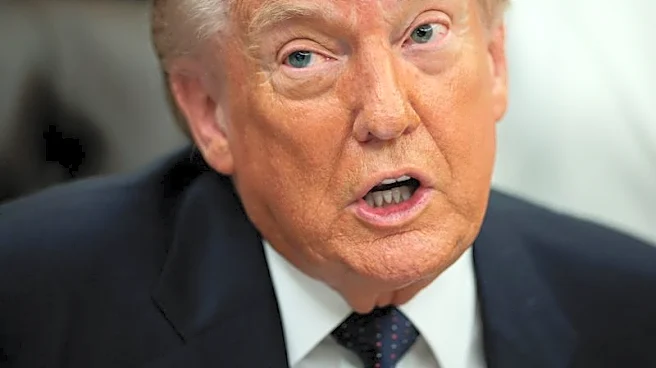
The White House COVID-19 outbreak, which began in September 2020, had significant implications for public perception of the Trump administration's handling of the pandemic. As the virus spread among high-profile officials, including President Donald Trump, the outbreak highlighted the challenges of managing COVID-19 at the highest levels of government. This article explores how the outbreak influenced public opinion and the administration's response
to the pandemic.
Initial Reactions and Criticism
The outbreak's initial revelation, particularly President Trump's positive test result, drew widespread media attention and public scrutiny. Critics pointed to the Rose Garden ceremony for Amy Coney Barrett's Supreme Court nomination as a super-spreader event, noting the lack of social distancing and mask-wearing. The administration's decision to proceed with large gatherings despite public health warnings fueled criticism of its approach to the pandemic.
Public health experts, including Dr. Anthony Fauci, expressed concern over the administration's handling of the outbreak. Fauci and others argued that the outbreak could have been prevented with stricter adherence to health guidelines. The lack of transparency regarding the timeline of infections and the administration's resistance to contact tracing efforts further eroded public trust.
The Role of Communication
Communication played a crucial role in shaping public perception during the outbreak. President Trump's messaging, which often downplayed the severity of the virus, was met with skepticism. His statement urging Americans not to let COVID-19 dominate their lives was criticized as dismissive of the pandemic's impact on millions of Americans.
The administration's conflicting messages and delayed disclosure of key information, such as the timing of Trump's positive test, contributed to a perception of disorganization and lack of accountability. This communication gap was seen as emblematic of broader issues in the administration's pandemic response.
Long-term Implications
The White House COVID-19 outbreak had lasting implications for public perception of the Trump administration. The outbreak underscored the importance of transparency and adherence to public health guidelines, particularly in high-stakes environments. It also highlighted the challenges of balancing political considerations with public health priorities.
As the pandemic continued, the outbreak served as a cautionary tale for other government entities and organizations. It reinforced the need for clear communication, effective contact tracing, and adherence to health guidelines to prevent similar incidents. Ultimately, the White House COVID-19 outbreak remains a significant chapter in the story of the pandemic, shaping public discourse and influencing perceptions of leadership during a global crisis.