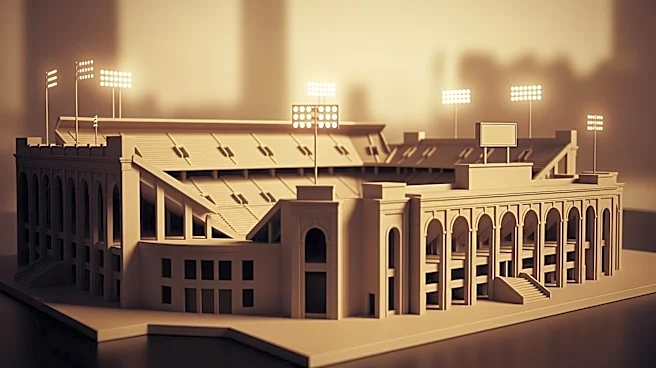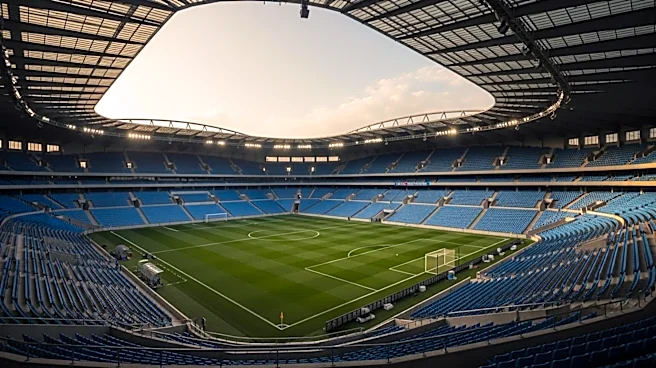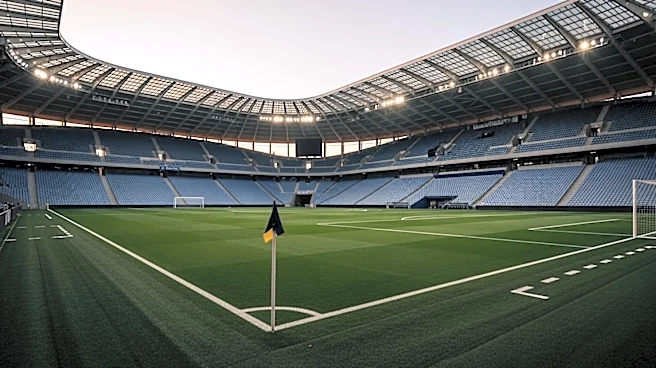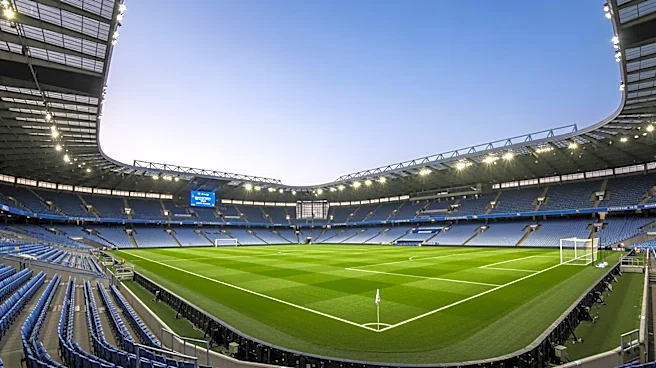

Estadio León, located in León, Guanajuato, Mexico, is a stadium with a rich history in international football. Known unofficially as Nou Camp, it has been a key venue for several major tournaments, including
the 1970 and 1986 FIFA World Cups. This article explores the historical significance of Estadio León and its contributions to the world of football.
Early Years and Olympic Games
Built in 1967, Estadio León quickly became a prominent football venue in Mexico. Its strategic location and modern facilities made it an ideal choice for hosting international events. In 1968, just a year after its construction, the stadium was selected as one of the venues for the football matches during the Summer Olympics. During these games, Estadio León had a seating capacity of 23,609, accommodating fans from around the world.
The inclusion of Estadio León in the 1968 Summer Olympics marked the beginning of its journey as a significant international football venue. The stadium's ability to host Olympic matches demonstrated its readiness for larger events, setting the stage for its future involvement in the FIFA World Cup.
FIFA World Cup Host
Estadio León's reputation as a premier football venue was further solidified when it was chosen to host matches for the 1970 FIFA World Cup. The stadium was one of the key locations for the tournament, hosting several group stage matches and a memorable quarter-final. Its role in the World Cup showcased its capacity to handle high-profile international events.
In 1986, Estadio León once again played a crucial role in the FIFA World Cup. As one of the selected venues, it hosted matches that drew large crowds and international attention. The stadium's continued involvement in the World Cup highlighted its importance in the world of football and its ability to adapt to the demands of major tournaments.
Legacy and Future Prospects
The historical significance of Estadio León extends beyond its role in past tournaments. Its legacy as a venue for international football is a testament to its enduring appeal and functionality. Over the years, Estadio León has become synonymous with high-quality football and memorable matches.
Looking to the future, Estadio León remains a vital part of Mexico's football landscape. Although plans for a new stadium were proposed, they were eventually canceled, leading to the decision to renovate the existing Estadio León. This renovation aims to preserve the stadium's historical significance while enhancing its facilities for future events.
Estadio León's rich history and continued relevance in international football make it a cherished venue for fans and players alike. Its contributions to the sport are a testament to its enduring legacy and importance in the world of football.