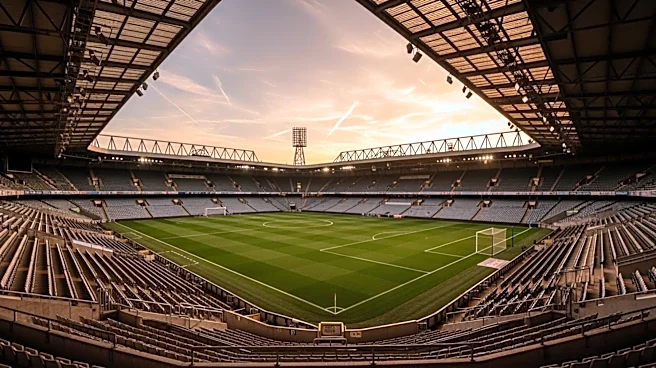








Stadio Diego Armando Maradona is more than just a sports venue; it is a cultural landmark in Naples, Italy. Known for its passionate fan base and historical significance, the stadium has played a pivotal role in the city's identity. This article delves into the cultural and social impact of the stadium, highlighting its importance to the people of Naples.
A Symbol of Resilience and Community
The construction of the stadium in the 1950s was a response to the destruction caused by World
War II. It represented a new beginning for the city, providing a space where the community could come together to celebrate their love for football. The stadium's opening match, where Napoli defeated Juventus, set the tone for its role as a unifying force in the city.
Over the years, the stadium has hosted numerous significant events, including matches for the 1990 FIFA World Cup. These events have brought international attention to Naples, showcasing the city's vibrant culture and passionate sports fans. The stadium has become a symbol of resilience, reflecting the spirit of a city that has overcome adversity.
The Maradona Legacy
The renaming of the stadium in 2020 to honor Diego Maradona further cemented its cultural significance. Maradona, who played for Napoli and led the team to its first two Serie A titles, is revered as a hero in the city. His legacy is deeply intertwined with the stadium, making it a place of pilgrimage for fans who wish to pay tribute to the football legend.
The decision to rename the stadium was met with widespread support, reflecting the deep connection between Maradona and the people of Naples. The stadium now stands as a testament to his impact on the city and the sport, serving as a reminder of the glory days of Napoli football.
A Hub for Entertainment and Events
Beyond football, the stadium has hosted a variety of cultural events, including concerts by international artists like The Rolling Stones and Coldplay. These events have transformed the stadium into a hub for entertainment, attracting visitors from around the world and contributing to the local economy.
The stadium's ability to host diverse events highlights its versatility and importance as a cultural venue. It continues to be a place where people gather to celebrate, whether through sports or music, reinforcing its status as a cultural icon in Naples.