
The hanging leg raise is a popular exercise known for its ability to strengthen the core muscles, particularly the abdominal region. This exercise involves suspending the body from an overhead bar and
lifting the legs, making it a staple in many calisthenics routines. While it may seem straightforward, the hanging leg raise offers a variety of benefits and challenges that make it a valuable addition to any workout regimen.
Mechanics of the Hanging Leg Raise
The hanging leg raise primarily targets the iliopsoas, which are the anterior hip flexors. During the exercise, the abdominal muscles, including the rectus abdominis and the internal and external oblique muscles, are engaged isometrically to stabilize the body. This stabilization is crucial as it allows the practitioner to maintain control and form throughout the movement.
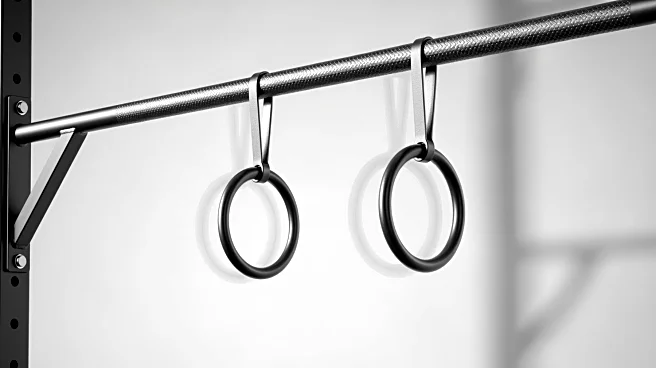
Performing the hanging leg raise requires gripping an overhead bar and lifting the legs while keeping the torso suspended in the air. This variation allows the pelvis to rotate freely, increasing the difficulty for the abdominal muscles. The exercise demands significant strength and control, as the pelvic weight must be supported rather than merely stabilized.
Variations and Apparatus
While the hanging leg raise is typically performed on an overhead bar, it can also be executed using other apparatuses such as dip bars and captain's chairs. These variations alter the stress placed on the arms and torso, providing different challenges and benefits. Additionally, the exercise can be performed with "ab slings," which hold the arms in a fixed position, allowing for a more traditional crunch by bringing the knees up to touch the elbows.
The hanging leg raise can be modified to increase or decrease difficulty. Extending the knee joint, often referred to as a straight leg raise, increases the demands on both the hip and spine flexors. This variation also engages the rectus femoris muscle, although it may be in active insufficiency during the hanging version.
Form and Technique
Maintaining proper form is essential when performing the hanging leg raise to avoid injury and maximize effectiveness. Practitioners should focus on engaging the abdominal muscles to prevent the spine from hyperextending and going into anterior pelvic tilt. Instead, the movement should encourage posterior pelvic tilt to effectively target the rectus abdominis.
It's important to avoid using momentum or swinging motions, as these can lead to poor form and reduce the exercise's effectiveness. Proper engagement of the abs ensures that the movement is controlled and that the spine remains stable throughout the exercise.
The hanging leg raise is a challenging yet rewarding exercise that offers significant benefits for core strength and stability. By understanding its mechanics, variations, and proper form, practitioners can effectively incorporate this exercise into their fitness routines.