


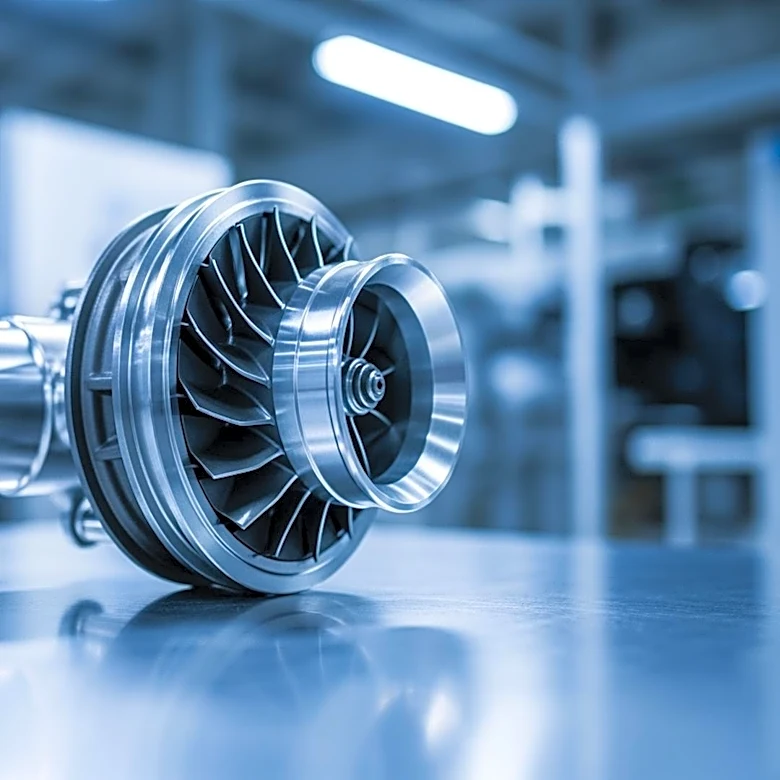




Ford's EcoBoost engine technology represents a significant advancement in automotive engineering, combining turbocharging and direct fuel injection to enhance both power and fuel efficiency. Originally co-developed by Ford and FEV Inc., EcoBoost engines have become a staple across Ford's vehicle lineup, offering a versatile and cost-effective alternative to hybrid and diesel technologies.
The Birth of EcoBoost
EcoBoost engines were designed to deliver the power and torque
of larger-displacement engines while achieving better fuel efficiency and reduced greenhouse emissions. Ford's vision for EcoBoost was to create a technology that could provide up to 20% better fuel efficiency and 15% fewer emissions compared to traditional engines. This approach was seen as a more versatile and less costly solution than expanding hybrid and diesel engine technologies.
The first EcoBoost engine was introduced in 2010, marking the beginning of a new era for Ford. The technology quickly gained popularity, and by 2013, Ford expected over 90% of its global vehicle lineup to offer EcoBoost engine options. This widespread adoption was a testament to the effectiveness and appeal of the technology.
Technological Advancements
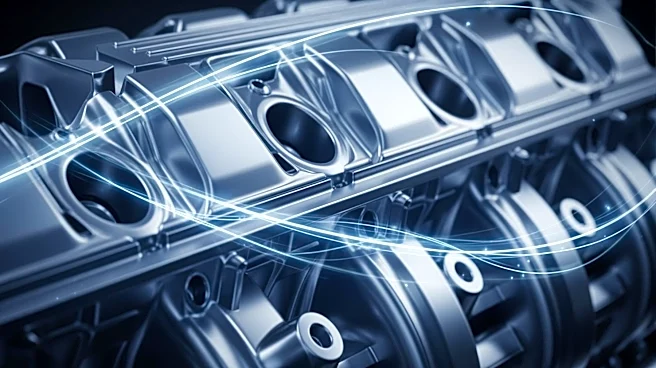
Ford's EcoBoost engines incorporate several advanced features that contribute to their performance and efficiency. The engines use high-pressure fuel charging and delivery systems, capable of reaching pressures up to 14.8 megapascals, which are essential for the efficient operation of the direct fuel injection system. Additionally, the engines are equipped with turbochargers that can spin at incredibly high speeds, providing significant boosts in power.
The EcoBoost V6 engines, for example, use twin-turbo configurations that allow them to consume up to 25% more air than their naturally aspirated counterparts. This increased air intake, combined with direct fuel injection, enables the engines to run on regular-grade gasoline while delivering impressive performance.
Global Production and Impact
EcoBoost engines are produced globally, with manufacturing facilities in the United States, Spain, the United Kingdom, Germany, and Romania. This widespread production capability has allowed Ford to meet the growing demand for EcoBoost-equipped vehicles worldwide.
The impact of EcoBoost technology on the automotive industry has been profound. By offering a balance of power, efficiency, and environmental benefits, EcoBoost engines have set a new standard for what consumers can expect from their vehicles. As Ford continues to innovate and refine this technology, the EcoBoost engine family is likely to remain a key component of Ford's strategy to meet the evolving needs of drivers around the world.