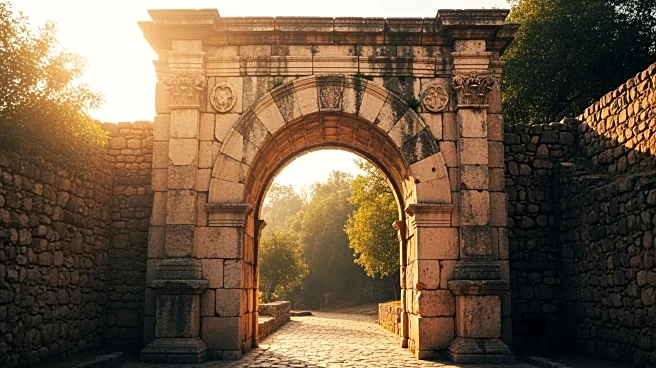




Historic sites are not only valuable for their cultural and historical significance but also play a vital role in the tourism industry. These sites attract millions of visitors each year, contributing significantly to local economies. This article explores the impact of historic sites on tourism and how they help sustain local communities.
Attraction of Tourists
Historic sites are major attractions for tourists seeking to explore the cultural and historical aspects of a destination.
Sites such as the ancient Roman city of Pompeii or the Great Smoky Mountains in the United States draw millions of visitors annually. These sites offer unique experiences that allow tourists to connect with the past and gain a deeper understanding of the history and culture of a region.
The popularity of cultural tourism has grown significantly in recent years, with travelers increasingly interested in visiting historic sites as part of their travel itineraries. This trend has been documented since the 18th and 19th centuries, but it wasn't until the late 20th century that cultural tourism became a prominent way of traveling. Today, the relationship between heritage and tourism is strong, with historic sites playing a central role in attracting tourists.
Economic Contributions
The influx of tourists to historic sites provides substantial economic benefits to local communities. Revenue generated from entrance fees, guided tours, and related services helps fund the maintenance and preservation of these sites. Additionally, tourism creates jobs and supports local businesses, such as hotels, restaurants, and shops, that cater to visitors.
The economic impact of tourism on historic sites extends beyond direct revenue. The presence of tourists can lead to infrastructure improvements, such as better roads and public transportation, which benefit both visitors and local residents. Furthermore, the promotion of historic sites as tourist destinations can enhance the overall image of a region, attracting further investment and development.
Challenges and Opportunities
While tourism provides significant benefits, it also presents challenges for the preservation of historic sites. The high volume of visitors can lead to wear and tear on the sites, necessitating ongoing maintenance and conservation efforts. Balancing the need to accommodate tourists with the preservation of the site's integrity is a constant challenge for site managers.
Despite these challenges, the opportunities presented by tourism are immense. By leveraging the appeal of historic sites, communities can promote sustainable tourism practices that ensure the long-term preservation of their cultural heritage. This approach not only protects the sites but also ensures that they continue to provide economic and educational benefits for future generations.