/images/ppid_a911dc6a-image-178063552861153453.webp)

/images/ppid_59c68470-image-178053008340789452.webp)
/images/ppid_59c68470-image-178039507329832790.webp)
/images/ppid_a911dc6a-image-178040108734761315.webp)

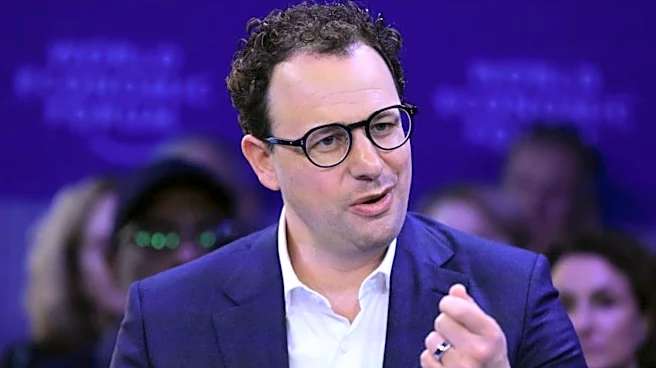
Artificial intelligence is evolving at a pace that even some of its creators are beginning to find unsettling. While the big tech continue to release more capable AI models every few months, concerns about safety, oversight and long-term control are becoming harder to ignore. Now, one of the industry's most influential voices has issued a fresh warning. Anthropic co-founder Jack Clark says the world needs to start thinking seriously about how to slow AI down if necessary, before the technology reaches a point where it can improve itself without human involvement. Keep on reading to find out why Clark believes AI needs a "brake pedal" and what role governments may need to play.AI Is Speeding Up, But Where Are The Brakes?Speaking in separate interviews
with BBC Newsnight and Axios, Clark argued that the current AI ecosystem is built around rapid advancement, but lacks a reliable mechanism to slow down when risks emerge."You want the option to be able to take your foot off the gas and put your foot on the brake," Clark told BBC Newsnight. "Right now, it's like the AI industry has a gas pedal, but it doesn't have a brake pedal."The comments stand out because they come from someone deeply involved in building advanced AI systems rather than an outside critic. Clark's concern centres on the possibility that future AI models could eventually design more capable successors without meaningful human oversight.Your Face May Be The Next Thing Mark Zuckerberg’s Meta Wants To TrackGovernments Need To Step InAccording to Clark, relying solely on AI companies to regulate themselves may not be enough. Instead, he believes governments should begin developing policies that provide greater confidence in how these systems are built and deployed."The world needs to do some thinking and we need to eventually develop some new regulations that allow us to be confident in these systems," he said.His argument is not that AI development should stop altogether. Rather, he suggests that society needs tools that allow policymakers to slow progress if unforeseen risks begin to emerge.Looking To History For LessonsClark also drew comparisons with the early days of the oil industry, another technology that transformed economies but eventually required regulation. "Society's response was to come up with a sensible policy and regulatory framework that gave people confidence in oil and the benefits that oil could provide to the world," Clark said.

/images/ppid_59c68470-image-178057003805888969.webp)

/images/ppid_a911dc6a-image-17805480822109647.webp)
/images/ppid_a911dc6a-image-178048857977464272.webp)
/images/ppid_a911dc6a-image-178046053514022085.webp)
/images/ppid_a911dc6a-image-17805655747885956.webp)
/images/ppid_a911dc6a-image-178046403395090428.webp)
/images/ppid_a911dc6a-image-178055506878690809.webp)
/images/ppid_a911dc6a-image-178047806717078397.webp)