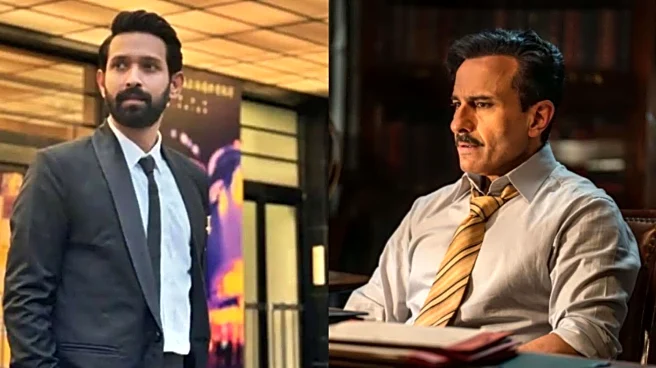
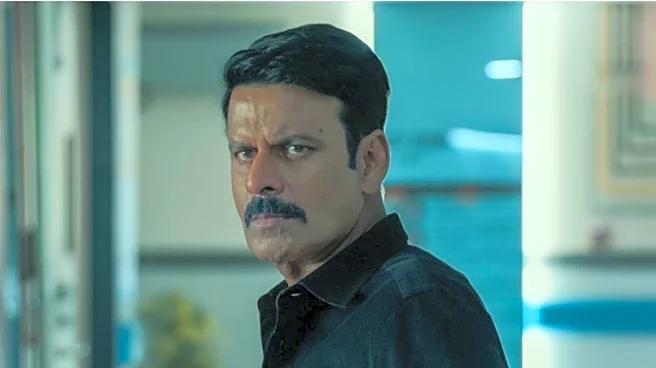
Netflix India's upcoming venture, Ghooskhor Pandat, starring Manoj Bajpayee, has landed in major trouble with just its title announcement. The Neeraj Pandey directed series is facing massive backlash online for allegedly hurting a community with its title. The controversy escalated after an FIR was filed against the makers, forcing Neeraj to pull down the teaser. This is not for the first time that an Indian show or movie is facing the heat with over its title. Indian cinema has repeatedly discovered that controversy can begin long before audiences engage with the story. In several cases, the title itself has been enough to spark protests and legal challenges. References to caste, religion, region, or historical identity have often drawn scrutiny,
with makers forced to defend intent. Looking back at a few instances -
Aarakshan
Amitabh Bachchan, Saif Ali Khan, and Deepika Padukone headlined Aarakshan (2011) faced immediate resistance across states due to its direct reference to caste-based reservation. The title itself triggered protests and bans, with critics arguing that it could give rise to social tensions. The backlash unfolded even before the film released and people saw the storyline.
Haider
Shahid Kapoor starrer Haider (2014) faced objections from some members of the Kashmiri Pandit community. They felt certain scenes and symbols in the film were hurtful or misleading. As a result, the film's title and cultural references became key reasons behind calls to ban it in some places.
Udta Punjab
Shahid Kapoor, Kareena Kapoor Khan, Alia Bhatt, and Diljit Dosanjh starrer Udta Punjab (2016) is among the most prominent examples of title-led backlash. The inclusion of Punjab in the title led to massive objections from political groups who argued that the film projected the state in a negative light.
Jai Bhim
The 2021 release Jai Bhim received praise from critics but also faced criticism from a few groups. They objected to the film's title and symbols, saying these sent out the wrong message. The makers, however, said the film was based on real events and facts.
Maharaj
Aamir Khan's son Junaid Khan's debut Netflix movie Maharaj, which came out in 2024, encountered legal hurdles over its title and subject matter. Objections cited religious sentiments and historical representation, resulting in a court case and a delayed release, again underscoring how titles can invite scrutiny independent of narrative intent.In the OTT era, titles like Leila, Tandav, Paatal Lok, A Suitable Boy, and IC 814: The Kandahar Hijack faced criticism over names, character choices, or perceived symbolism, often within hours of release.
/images/ppid_a911dc6a-image-177036308922898980.webp)

/images/ppid_a911dc6a-image-177030709803362292.webp)



/images/ppid_a911dc6a-image-177037010640752040.webp)
/images/ppid_59c68470-image-177021253196781184.webp)



/images/ppid_a911dc6a-image-177021252544524760.webp)
/images/ppid_a911dc6a-image-177012852999894944.webp)