For
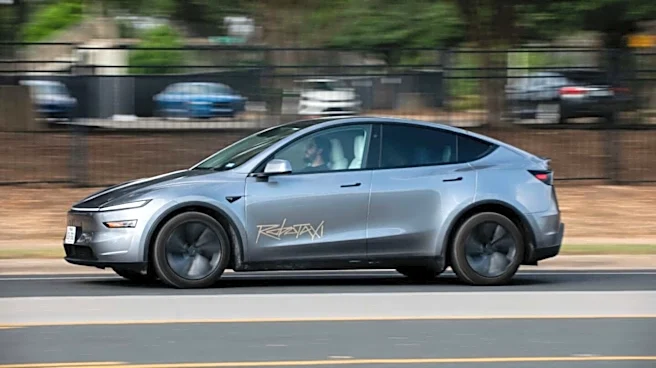
a common man, a robotaxi that works on its own is still a dream. No small talk, no drivers, just an AI-powered cab that takes passengers across the city. Tesla’s robotaxi project seems to be even bigger, as it is one of the initial projects to promise such services. However, a Reuters report highlights the company seems to be facing several bumps to clear recent real-world tests in Texas before it becomes an everyday reality. This means that people waiting for Tesla’s robotaxis will have to wait for longer.
Long Waits Turn Short Trips Into Hour-Long Journeys
Tesla robotaxis seem to be struggling with basic issues like long-wait times, route confusion, limited availability and inconvenient drop-off points. While the Tesla CEO Elon Musk has often suggested that Tesla’s self-driving technology can ‘work anywhere', the real-world experience seems to be different.In Dallas, a reporter from Reuters tried to book a
Tesla robotaxi for a trip that should have taken nearly 20 minutes by car. Instead, the entire process reportedly took almost two hours. Moreover, the app took time to schedule the service and showcased the message, ‘high service demand’. Once the ride started, the robotaxi avoided the primary freeway road and took the traveller through surface streets, extending the journey further. Reportedly, the robotaxi dropped the passenger at a parking lot that needed a 15-minute walk to reach the final destination. The passenger tried reaching the Tesla support, and a remote agent reportedly mentioned that the service was ‘still in beta version'.Despite the operational issues, Tesla’s robotaxi has gained wide popularity among users. These robotaxis are central to the company’s future plans and massive market value. Musk has increasingly positioned the company not just as an electric car manufacturer but as an AI and self-driving company.
Why Self-Driving Cars Are Still Far From Reality In India
What lies ahead is users hoping that soon Tesla services growing in more cities will eventually have to wait. As the company continues to promote its self-driving cars, their availability remains limited. Long waiting times, navigation issues and small operating areas could make the services inaccessible to more users for longer.For a country like India,
self-driving cars are still a dream for many. Currently, the nation allows Level 1 and Level 2 driver-assistance systems such as adaptive cruise control, lane assist and automatic emergency braking in premium cars. However, full self-driving cars require permission for Level 4 and Level 5 that are not yet legal for public use in the country.
/images/ppid_a911dc6a-image-177882257295958902.webp)

/images/ppid_a911dc6a-image-177881903198261741.webp)
/images/ppid_a911dc6a-image-177873861396683474.webp)


/images/ppid_a911dc6a-image-177875958894765670.webp)

/images/ppid_59c68470-image-17787450354865433.webp)

/images/ppid_a911dc6a-image-177875258559079861.webp)
/images/ppid_59c68470-image-177881259940588197.webp)