As
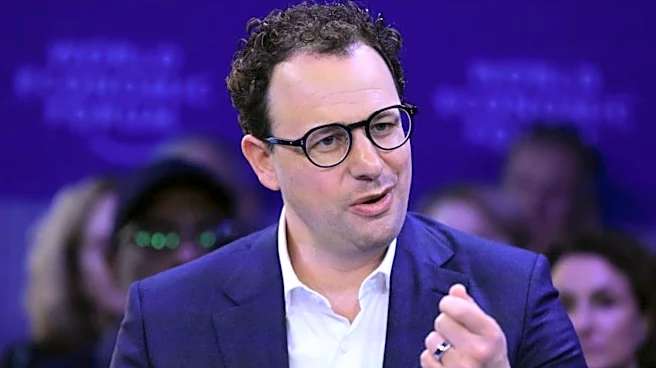
artificial intelligence tools continue to develop, the world is relying on them. However, AI can also give birth to new forms of cyberattacks against whom the tech industry might not be ready for. In a new warning against AI, CrowdStrike CEO George Kurtz has explained that the biggest threat from AI is not not losing jobs; instead, it is the security risks created by AI, as per CNBC.
AI Is Changing The Cybersecurity Equations
As per the publication, Kurtz has highlighted how AI is dynamically changing the discovery and exploitation of critical software flaws, potentially allowing even common users to carry out sophisticated cyberattacks without any expertise on it. Kurtz reportedly noted that an
AI model launched in collaboration with Anthropic is capable of identifying the critical bugs and linking them into dangerous attack chains. Tasks that once needed highly trained hackers can now be automated through AI tools. He said, “Any human or agent can now be a cyberhacker. Or worse, wage serious cyber attacks that threaten enterprise survival, nation-state continuity, and critical infrastructure.”Notably, Kurtz pointed out that Crowdstrike has recently assessed Fortune 100 companies after the release of the new AI tool. This assessment reportedly uncovered nearly 45 million vulnerabilities. The findings clearly show how AI is exposing software weaknesses and posing new challenges for the financial and banking sectors that heavily rely on the critical software systems.
As per Kurtz, big tech companies are reportedly
adopting AI faster than they are securing it. He had described that situation as the version of cybersecurity that is the Y2K moment, a period that needs urgent investment and preparation before problems become widespread. For a common man, AI might only be used for generating images; even that is risky when it comes to the privacy issues. However, governments across the world now have a new issue to worry about. As AI grows, cyber experts, governments and civil societies are facing newer challenges every day.
/images/ppid_a911dc6a-image-178081753725273921.webp)

/images/ppid_a911dc6a-image-17805480822109647.webp)
/images/ppid_59c68470-image-178057003805888969.webp)
/images/ppid_a911dc6a-image-178057256505573610.webp)


/images/ppid_a911dc6a-image-178065303123178499.webp)
/images/ppid_a911dc6a-image-178063552861153453.webp)
/images/ppid_a911dc6a-image-178066006685242717.webp)
/images/ppid_a911dc6a-image-178079653273188988.webp)
/images/ppid_a911dc6a-image-178055506878690809.webp)
/images/ppid_a911dc6a-image-178056203298238702.webp)
/images/ppid_a911dc6a-image-17805655747885956.webp)