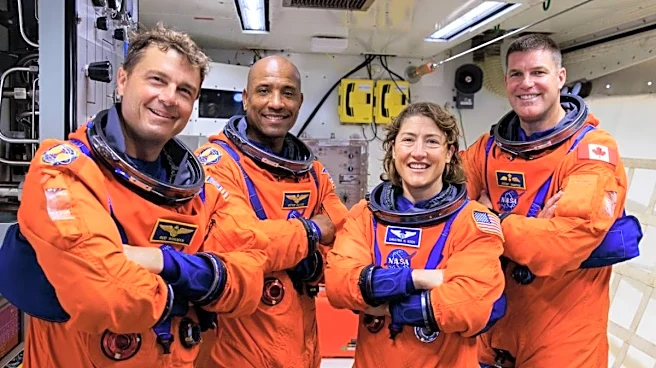
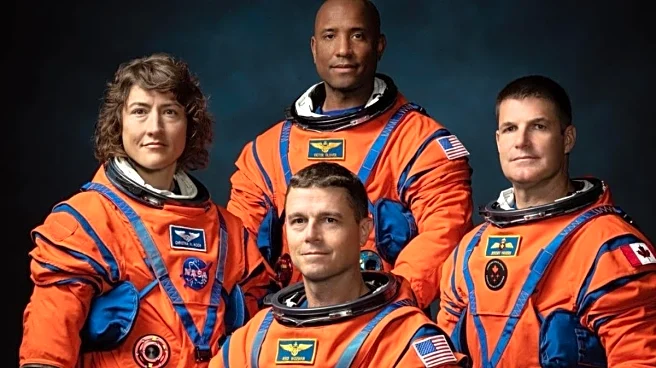
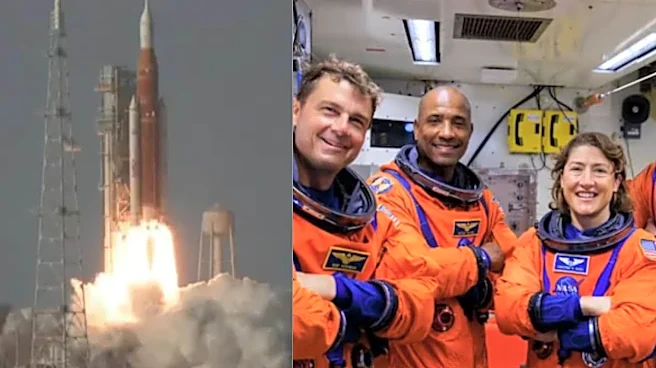
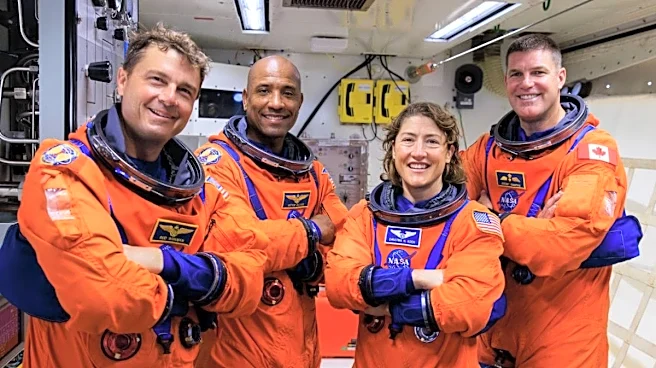
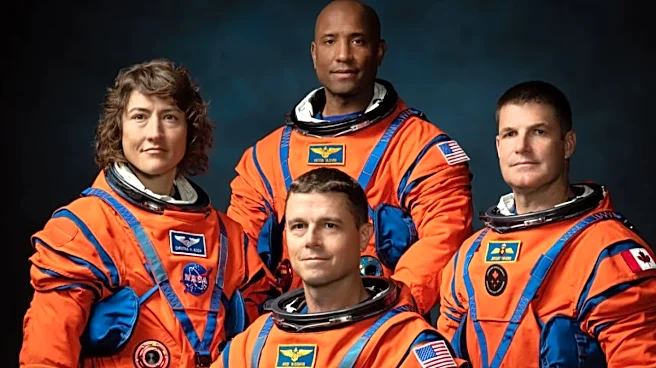
The US space agency NASA (National Aeronautics and Space Administration) is preparing to launch Artemis ii, its first astronaut mission to the moon since 1972. Artemise is a planned lunar flyby mission under the Artemis program scheduled to launch on April 1, 2026 from the Kennedy Space Center. The spacecraft will send four four astronauts on an around 10-day journey around the Moon. The crew consists of NASA astronauts Reid Wiseman, Victor Glover and Christina Koch, and Canadian Space Agency astronaut Jeremy Hansen. The Artemis 2 mission is an important test of NASA’s new Space Launch System (SLS) rocket and Orion spacecraft. Unlike a landing mission, this is a test flight that will just send astronauts around the Moon and bring them back to Earth.
It is important to note that the mission is critical because it will take all astronauts farther from Earth than any humans have travelled since Apollo 17 in 1972.
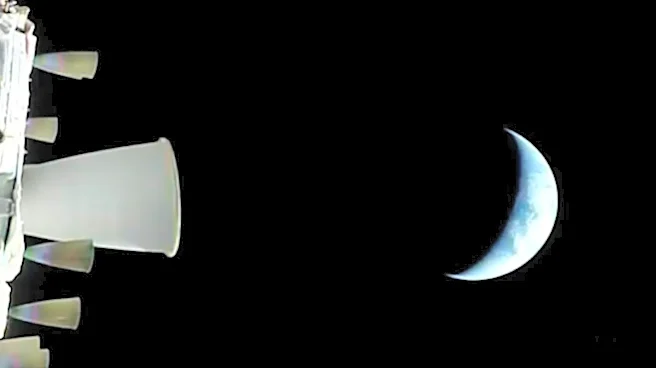
As the launch is almost here, NASA says that all crewmates have spent the final countdown phase focused on readiness and technical verification, remaining in quarantine under strict health monitoring and completing medical checks to ensure fitness for launch. They have been following a controlled sleep schedule and nutrition plan to maintain energy and hydration for launch, while continuing to receive regular updates on the rocket’s configuration and weather conditions from crew quarters. According to the US-based space agency, the mission will follow a path called a free-return trajectory. This means the Moon’s gravity will help pull the spacecraft back to Earth without needing extra fuel for the return.After launch, the Orion spacecraft will separate from the rocket and circle the Earth a few times to check all systems before heading towards the Moon. The journey to the Moon will take around four days.The spacecraft will fly behind the far side of the Moon and come as close as about 6,000 miles to its surface. During this time, astronauts will observe and take pictures of the Moon’s surface. The full mission will last about 10 days and the spacecraft is expected to land in the Pacific Ocean.During the mission, astronauts will also test life support systems, communication, navigatio and safety features. They will also observe and photograph the Moon’s far side.This mission is also important because it will test systems needed for future Moon landings, especially Artemis III. Data collected during this flight will help the space agenct prepare for long-term lunar missions and even future Mars exploration, NASA said.
/images/ppid_a911dc6a-image-177503203794876190.webp)




/images/ppid_a911dc6a-image-177516852919573202.webp)

/images/ppid_59c68470-image-177508752486814628.webp)

/images/ppid_a911dc6a-image-177521052169594726.webp)