‘Hum
Ek Baar Jeete Hai, Ek Baar Marte Hai, Shaadi Bhi Ek Baar Hoti Hai Aur Pyaar Ek Baar Hi Hota Hai’ – Well, This iconic dialogue from Karan Johar’s Kuch Kuch Hota Hai strikes an emotional chord. But does this philosophy truly hold up in the modern world? That is the bigger question. Bollywood filmmakers themselves have proved that a person does not fall in love only once in life. Interestingly, KJo contradicted his own dialogue in the same film by showing Rahul marrying Anjali after Tina's death. While Kuch Kuch Hota Hai was deeply loved in the 1990s, it has now become a popular subject for memes. Ahead of Valentine's Day (February 14), let's revisit how Bollywood popularised the 'Pyaar Ek Baar Hota Hai' formula and then proved it wrong.
Pyaar Ek Baar 'Nahin' Hota Hai
Kuch Kuch Hota Hai is an emotion for many people.
Shah Rukh Khan's character Rahul believes in falling in love only once in his life. But things completely change when he sees Anjali (Kajol) in long hair and a saree 8 years after the death of his wife Tina (Rani Mukerji). Anjali had been in love with Rahul during their college days, but the handsome hunk didn't pay attention to her special feelings due to her tomboy look.
Rahul himself says that ‘Pyaar Ek Baar Hota Hai’ but doesn’t follow his own words and ends up falling in love with Anjali. Things looked quite glamourous back in the 90s, but if we look at them now, the new generation can easily call it ‘double standards’.
Husband Over Boyfriend
Hum Dil De Chuke Sanam is an
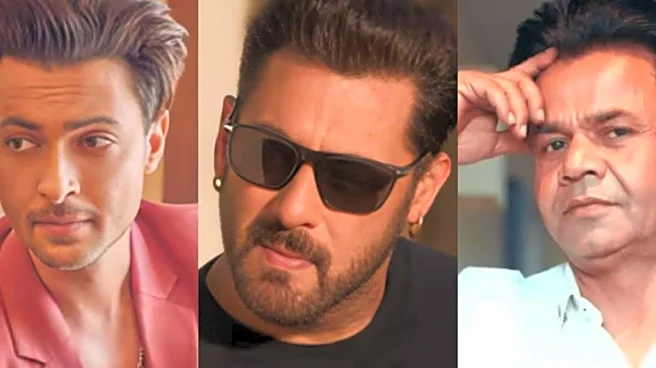
epic example of proving ‘Pyaar Ek Baar Hota Hai’ wrong. Aishwarya Rai's Nandini is undoubtedly one of the most indecisive characters in Hindi cinema. She falls in love with her father's music student, Sameer (Salman Khan). They continue their relationship until her father finds out about it. He asks Sameer to leave the house and forget Nandini. On the other hand, Nandini gets into depression and gets forcefully married to Vanraj (Ajay Devgn).
When Vanraj finds out the truth about Nandini's past relationship, he decides to reunite her with her lover. While searching for Sameer, Nandini realises Vanraj's love for her, and in the climax, she tells her boyfriend that he taught her ‘how to love’, but Vanraj taught her ‘how to fulfil love’. Can you believe it? Her decision leaves Sameer heartbroken, and the Tadap Tadap song by KK leaves a long-lasting impact on people who believe in falling in love only once in life.
Glorification Of Extra-Marital Affair
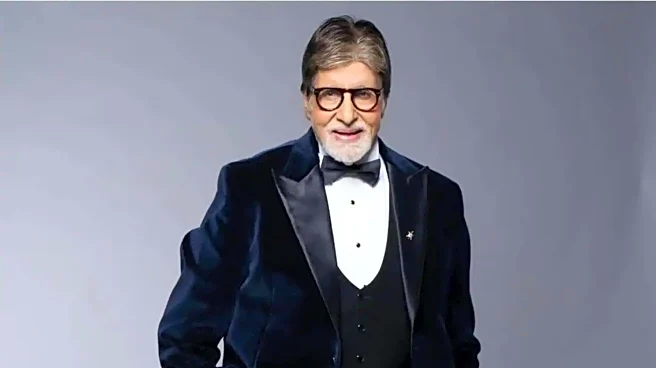
Karan Johar is known for adding extra tadka to the love stories by adding a third character into the story. Kabhi Alvida Naa Kehna, starring Shah Rukh Khan, Abhishek Bachchan, Rani Mukerji, Preity Zinta and Amitabh Bachchan, is one of the best examples of how the filmmaker glorified extra-marital affairs on celluloid.
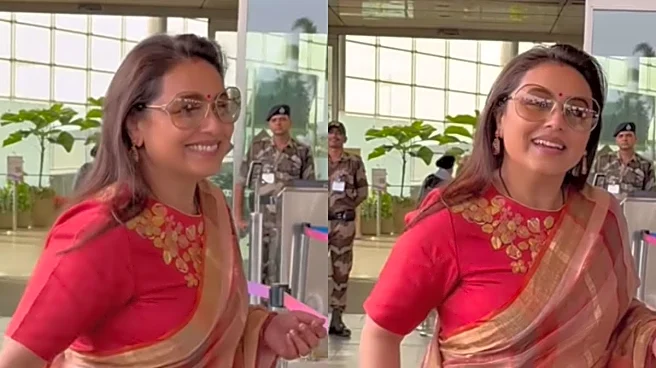
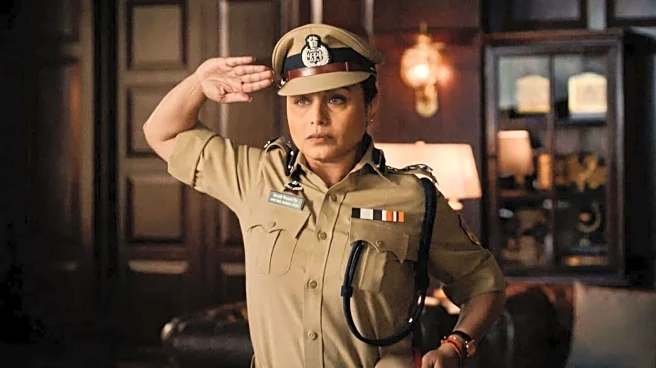
Shah Rukh Khan and Rani Mukerji's characters, Dev and Maaya, cheat on their partners, played by Preity Zinta and Abhishek Bachchan, respectively, by finding solace in each other. The main thought behind the film was to showcase the hidden reality of marriage, but the filmmaker ended up
glorifying extra-marital affairs rather than finding a solution to them. The film was highly criticised by the masses and received a lukewarm response in India. Kabhi Alvida Naa Kehna indeed proved how love takes a backseat in marriage when responsibility and ego take over it.
There Is Always A Second Chance
Bollywood filmmakers have shown in their films that there is always a second chance in life. Right from Jab We Met to Saiyaara, the protagonists get a second chance in love after being betrayed by their first ones. There is a famous quote by George Bernard Shaw that states – ‘First love is a little foolish and a lot of curiosity.’
The representation of love is now changing in films, and the female characters have now started expressing their love, feelings and desires. The boom of digital content has indeed allowed makers to show different sides of humans.After all, love is love, and it shouldn’t have any boundaries!
/images/ppid_a911dc6a-image-177098604430638966.webp)


/images/ppid_a911dc6a-image-177074817751365859.webp)

/images/ppid_a911dc6a-image-177089853476914935.webp)
/images/ppid_a911dc6a-image-177089871495294861.webp)
/images/ppid_a911dc6a-image-177081102966228140.webp)


/images/ppid_a911dc6a-image-177086352380239409.webp)

/images/ppid_a911dc6a-image-177096852999937942.webp)