South
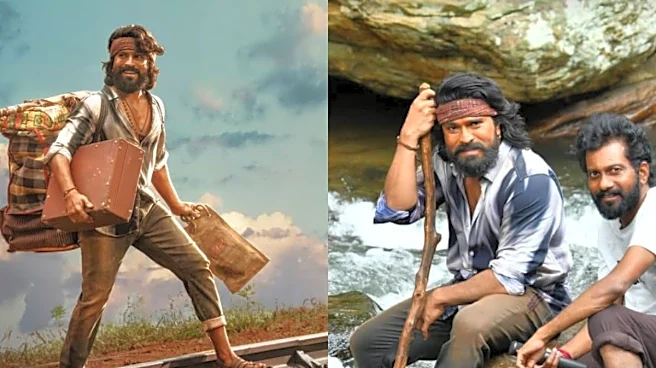
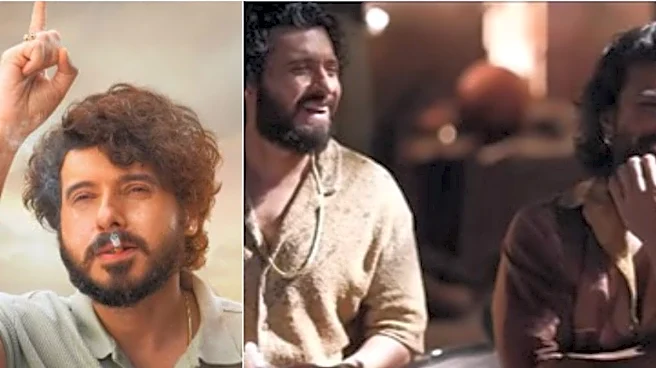
star Ram Charan is gearing up for the release of his much-awaited film Peddi. Amid the buzz around the sports action drama, he was spotted in Mumbai on Friday. The actor was seen leaving a popular salon in the city after reportedly getting a fresh trim. He looked uber-cool, however, netizens were more focused on his long and luscious hair. His look has now become the talk of the internet, with many even comparing it to Ranveer Singh’s iconic Dhurandhar character, Hamza Ali Mazari. If you think we’re exaggerating, check out his visuals below!
Ram Charan Flaunts His Long Hair In Mumbai
Ram Charan sweetly obliged to the paparazzi’s request, who referred to him as "anna," and posed for the cameras. Wearing a comfy casual look with distressed blue denim and a dark blue T-shirt, he looked stylish as ever. His black sunglasses brought more attention to his face. But what truly grabbed all the eyeballs was his hair. Flaunting a freshly blow-dried look, he appeared effortlessly dapper.Check out the video here:
The comments section filled with some funny and some sweet reactions. While fans gushed over his charming looks, others couldn’t stop talking about the hairstyle. Many mentioned Hamza Ali Mazari in the comments section of paparazzi posts. Was Ranveer the inspiration for Ram Charan’s new look? The internet seems to think so.
Peddi Release
Ram Charan is gearing up for the release of
Peddi. However, his upcoming film has landed in controversy even before arriving in theatres. Slated for a grand release on June 4, it is facing issues with single-screen theatre owners in Telangana.For those unversed, there's an
ongoing dispute between theatre owners and producers. The issue is not about the film itself, but about how box office revenue should be shared. Currently, most Telugu films follow a rental system where theatres pay a fixed amount regardless of performance. However, exhibitors in the state feel that this model is causing heavy losses, especially for single-screen theatres with high daily costs. They are demanding a new system where revenue is shared instead, with higher percentages for theatres in the first weeks. Theatre owners argue this method is already used in other regions and would help them survive rising expenses. On the other hand, production houses, including Mythri Movie Makers, are not agreeing to the change. Because of this disagreement, exhibitors have warned that they may delay or block releases if no solution is reached.
/images/ppid_a911dc6a-image-17788680933757237.webp)

/images/ppid_a911dc6a-image-177881202902393456.webp)
/images/ppid_a911dc6a-image-177865810423965089.webp)



/images/ppid_a911dc6a-image-177884013557161738.webp)
/images/ppid_a911dc6a-image-177870707819850401.webp)


/images/ppid_a911dc6a-image-177872452525398512.webp)
/images/ppid_a911dc6a-image-177884706869652749.webp)