The
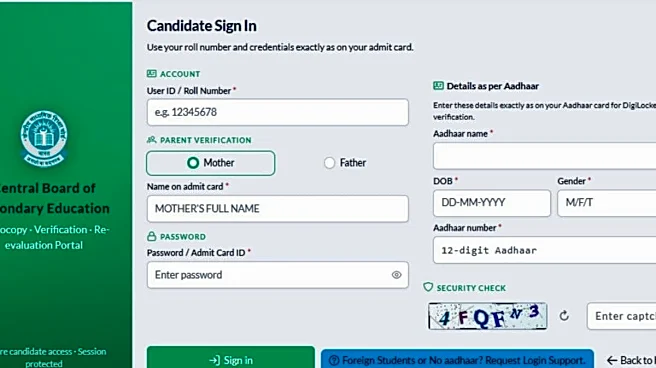
Central Board of Secondary Education (CBSE) recently took to Elon Musk-owned social media platform X to inform that its re-evaluation and verification portal faced multiple cyberattack attempts while thousands of students were trying to open it "Update from our Cybersecurity Teams: The CBSE revaluation portal is currently supporting over 8,000 concurrent users. As of 3:00 PM today, more than 16,000 students have successfully completed their submissions. While thousands of students accessed the CBSE re-evaluation portal today, malicious actors attempted to disrupt services through a barrage of cyberattacks," the education board wrote on X.
According to
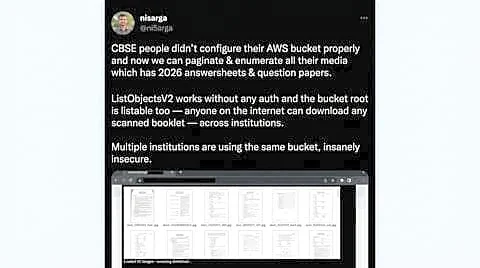
CBSE, the most recent attack was a Denial-of-Service (DoS) attack attempt that generated nearly 1.5 million hits on the portal within just two minutes. The board also detected more than one lakh attempts to gain unauthorised access to files on the system.Despite the DoS attacks, CBSE successfully processed over 16,000 student applications by 3:00 PM while managing more than 8,000 concurrent users.
What Is a Denial-of-Service (DoS) Attack And Why Is It Dangerous?A Denial-of-Service (
DoS) attack is a cyberattack in which hackers try to make a website, server, or online service unavailable to genuine users. This is done by flooding the target with a massive number of requests in a short period of time.Normally, a website receives requests from users and processes them without any issues. During a DoS attack, however, the server is overwhelmed by fake or excessive traffic. As a result, the website may slow down, stop responding, or become completely inaccessible.For example, if a portal is designed to handle a certain number of visitors at one time, a sudden flood of millions of requests can exhaust its resources. Genuine users may then face login issues, slow loading times, or service outages.Cybersecurity experts consider DoS attacks dangerous because they can disrupt essential online services, affect user experience, and create operational challenges for organisations. In some cases, such attacks are used to distract security teams while attackers attempt other malicious activities.
/images/ppid_a911dc6a-image-178040459695284525.webp)