/images/ppid_a911dc6a-image-177104202793221357.webp)

/images/ppid_59c68470-image-177096253783524559.webp)
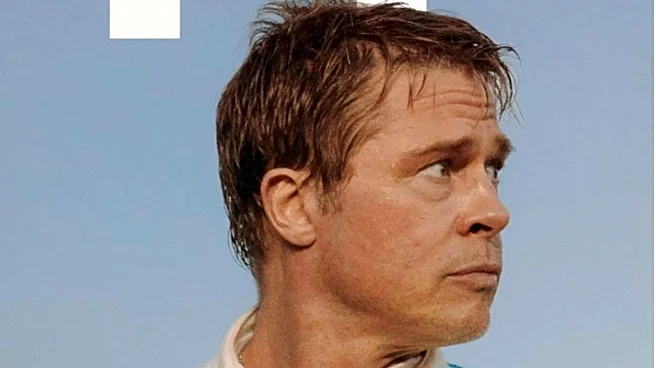
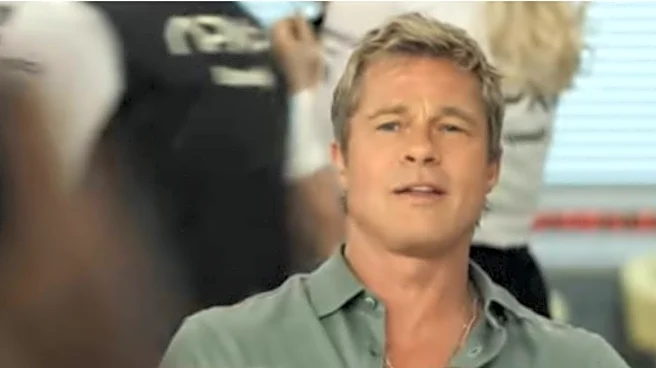

Seedance 2.0 has raised serious concerns, and the controversy around it is only intensifying. Following the realistic Tom Cruise–Brad Pitt fight video, major Hollywood stakeholders have strongly pushed back against the AI video generator. Disney has reportedly sent a cease-and-desist letter to ByteDance, citing concerns over the alleged misuse of copyrighted film and television material. SAG-AFTRA has also condemned the platform for "blatant infringement," accusing the software of enabling unauthorised use of actors’ voices, likenesses, and protected IP. Amid ongoing debates around consent, copyright protection, and the unchecked rise of generative AI in the entertainment industry, here’s all you need to know.Seedance 2.0 Row IntensifiesIn a statement,
SAG-AFTRA said that it "stands with the studios in condemning the blatant infringement enabled by ByteDance’s new AI video model Seedance 2.0." It added that the unauthorised use of our members’ voices and likenesses is "unacceptable and undercuts the ability of human talent to earn a livelihood.""Seedance 2.0 disregards law, ethics, industry standards and basic principles of consent. Responsible AI development demands responsibility, and that is nonexistent here," said the association.
Meanwhile, the Motion Picture Association said that Seedance 2.0 has engaged in "unauthorised use of U.S. copyrighted works on a massive scale."It condemned the service for operating without meaningful safeguards against infringement and said, "ByteDance is disregarding well-established copyright law that protects the rights of creators and underpins millions of American jobs. ByteDance should immediately cease its infringing activity."Disney, on the other hand, has reportedly sent a cease-and-desist letter to TikTok’s parent company. It has lambasted the firm for stocking their new AI tool with a "pirated library of Disney’s copyrighted characters." What Is Seedance 2.0Seedance 2.0 is a recently launched AI video-making tool by ByteDance, TikTok’s parent company. It lets users create videos using text, images, video clips, and audio. By allowing reference uploads for characters, style, and movement, it aims to reduce AI errors and produce realistic videos.It sparked instant backlash after several highly realistic deepfake videos went viral. These clips recreated copyrighted Hollywood films and TV shows, including a fake Tom Cruise–Brad Pitt fight scene and alternate endings to Stranger Things, among others.According to ByteDance, the tool is designed for professional use, including films, ads, gaming, and other commercial projects./images/ppid_59c68470-image-177098002492763711.webp)

/images/ppid_59c68470-image-177100504592948655.webp)
/images/ppid_59c68470-image-177088253353351703.webp)

/images/ppid_a911dc6a-image-177099523372082313.webp)
/images/ppid_a911dc6a-image-177095452776148437.webp)
/images/ppid_a911dc6a-image-177088108433540521.webp)
/images/ppid_a911dc6a-image-177097552130654225.webp)