Two things stayed with me once the credits rolled for Ranveer Singh’s Dhurandhar 2 – I was not intent on calling the film a propaganda (every director has the right to poetic liberties in building a narrative) and that there is something unmistakably Shakespearean about the world that Aditya Dhar has been constructing with his Dhurandhar-verse. Dhar’s cinematic ecosystem in Dhurandhar thrives not only on spectacle alone, but on the timeless architecture of desire, treachery, power and consequence. The stylised action and muscular narrative with its machismo aside, there lie a moral universe that would feel intimately familiar to anyone who has engaged with the works of the Bard – William Shakespeare. One might argue that the comparison is lofty,
even indulgent – considering Aditya Dhar’s films operate within the ecosystem of commercial Indian cinema with high-octane sequences, rousing dialogues and larger-than-life protagonists. However, a closer look would slowly reveal parallels that prove the Dhurandhar-verse is not just telling a tale, but rather is staging lofty tragedies.
Dhurandhar-verse And The Anatomy of Ambition
Shakespearean tragedy is built on the idea of ambition. Dhar's characters are marked by a raw, unfiltered quality, often leading to self-destruction. This is similar to the psychological struggles seen in Macbeth, where unchecked ambition harms the individual, and in Julius Caesar, where political goals lead to betrayal and chaos.
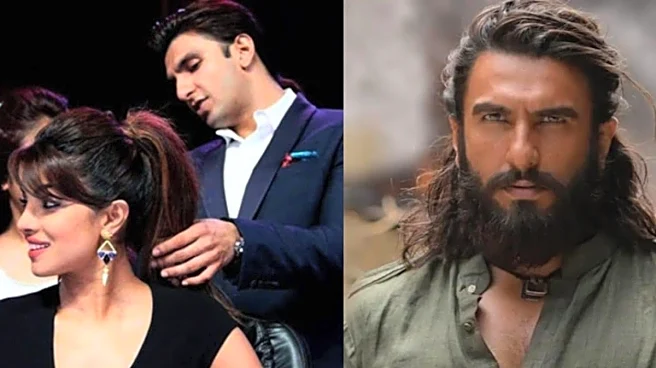
Akshaye Khanna’s Rahman Dakait downfall happens when his ambition supersedes his morality.
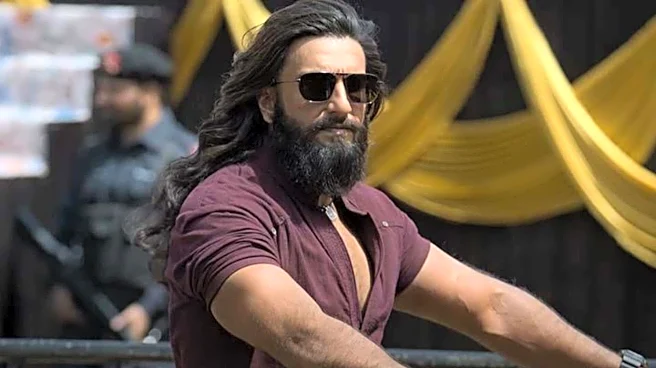
Ranveer Singh’s Hamza realises, much like Macbeth, he is stepped in blood so far, “Returning were as tedious as go o'er".The hero and anti-heroes of Dhurandhar-verse are rarely uncomplicated. They are driven, often obsessive figures who are propelled by a sense of destiny that borders on delusion. The victories of the heroes are never clean and come at a cost – be it moral, emotional or existential. And it is here Dhar departs from the conventional heroism of mainstream cinema and leans towards something more classical. His characters are not just battling external enemies; they are at war with their souls. In many ways, ambition, in is universe, is both the engine and the undoing of each character. Much like Macbeth’s ascent is inseparable from his downfall,
Dhar’s protagonist seems fated to be consumed by the very forces that elevate him.
Dhurandhar and Shakespearean Power and Its Discontents
In Shakespeare, power is not equated with stability. It is always contested, forever fragile and perpetually under threat. Kingdoms are lost as quickly as they are won and loyalty is a currency that loses value overnight. Look closely at the world created by Aditya Dhar in Dhurandhar and it too echoes this volatility.
The emotional and political landscapes in Dhurandhar-verse are marked by forever shifting allegiances where friends turn into adversaries and mentors become rivals. Trust is often revealed to be nothing more than a strategic illusion and there is an almost theatrical quality to these reversals, reminiscent of the court intrigues in Hamlet or King Lear.However, what makes Dhar’s treatment of power particularly compelling is in his refusal to romanticise it.
Authority in the Dhurandhar-verse is not a reward but a burden. It isolates, corrupts and ultimately destabilises. The higher the character reaches, the lonelier and more vulnerable they become. Dhar quietly incorporates something very Shakesperean – the crown is never just a symbol of victory, but perhaps always a harbinger of tragedy.
Language of Conflict
What makes Dhar’s Dhurandhar-verse also very Shakespearean is how it shares with the Bard a heightened sense of language. Dialogues in this universe are crafted to resonate beyond the moment and are often declarative, philosophical and the weight of inevitability. Shakespeare’s characters frequently articulate their inner turmoil through soliloquies – moments within the narrative when their external conflict pauses and their internal struggle predominates. Dhar too achieves a similar effect through charged confrontations and pensive monologues which are windows into the psyche of the characters.
Furthermore, much like a Shakespeare, Dhar’s characters seem acutely aware of the gravity of their own words and every line feels performative, every emotion a confrontation like a duel of words and ideologies.
Dhurandhar-verse And The Shakespearean Fool
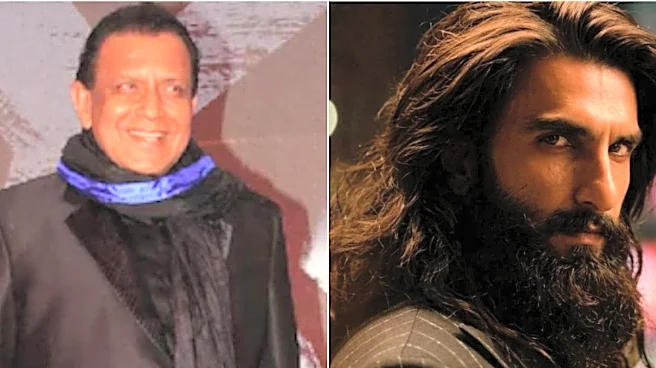
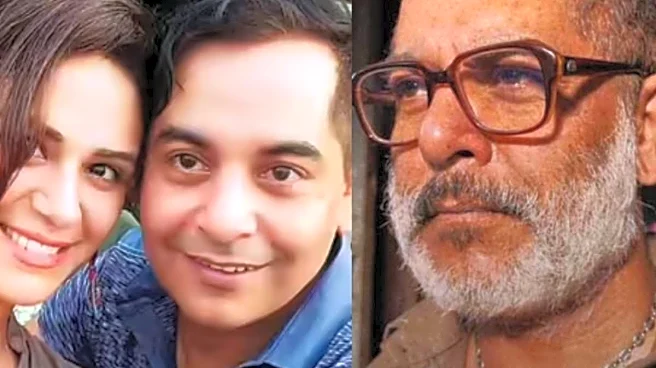
Rakesh Bedi’s Jameel Jamali too incorporates Shakespearean sensibilities. Reading Jamali through the eyes of Shakespearean sensibilities opens up a surprisingly rich interpretation.
In Dhar’s Dhurandhar-verse Jamali can be re-interpreted as a variation of the Shakespearean Fool - Not merely a comic relief, but rather a character, who is much wiser than how he allows the proscenium to perceive him, operating on the edges of the narrative while quietly illuminating its moral core.
Much like the Fool in King Lear or the gravediggers in Hamlet, Jamali’s presence carries an undercurrent of irony; he may appear comic, even eccentric, but his words and actions puncture the self-seriousness of the protagonist’s journey.
The fool does not just entertain - he destabilises. Much like the Shakespearean fool, he can speak uncomfortable truths without consequence, using humour, absurdity, and apparent naivety as a shield. In a film that is steeped in intensity and moral weight, his character introduces a tonal dissonance that feels almost subversive.
Dhurandhar Verse’s Fate Versus Free Will
The Dhurandhar-verse also thrives on the ambiguity where characters believe that they are in control, making calculated choices aimed at shaping their future, but contrary to their beliefs, there is an undercurrent of inevitability that suggests otherwise. Fate and free will form a big part of the Dhurandhar-verse and events unfold in a rapid tragic momentum, with the outcome seemingly predetermined. This interplay creates a compelling dance of dramatic tension where the audience is invited to question whether the characters could have chosen differently or whether their flaws made their downfall inevitable. Dhar’s storytelling, seems, is aligned with the thematic richness of Shakespearean drama.
The Shakespearean Ghost
Lucifer, or the ghost sequence in Dhurandhar 2, perhaps feels most like a deliberate nod to the spectral anxieties that define the tragedies of the Bard. Much like the apparition in Hamlet, which unsettles not just the prince, but the moral fabric of the narrative itself, Dhar’s ghost is a psychological rupture who exists in an uneasy space between reality and the subconscious. It forces both the character and the audience to confront buried guilt and unresolved trauma.
What makes it particularly effective is the murkiness around whether it is a manifestation or fractured reality of a troubled mind. Shakespeare often thrived in this ambiguity (King Hamlet’s ghost was a spirit of truth or merely a demonic manipulator).
In Dhurandhar 2, the apparition destabilises certainty, turning the scene into an exercise in dread rather than spectacle. The horror here is not external, but internal – of memory, consequence, past and present.
Dhurandhar’s Moral Universe
Much like Shakespearean tragedies which do not offer easy binaries of right and wrong,
Dhar, in Dhurandhar too presents a complex moral landscape where characters are both culpable and sympathetic. Both films resist the temptation to categorise its characters into heroes and villains, instead, presenting individuals who have been shaped by circumstances, desire and the constrains of their own limitations.
Spectacle, Tragedy and Dhurandhar-verse
Where Dhar has excelled is in his ability to marry Shakespearean sensibility with the demands of modern cinema. Dhar’s scale, visual grandeur and action sequences serve to amplify underlying drama than overshadow it. Shakespearean plays were a site of spectacle and Dhar translates this theatricality into cinematic language. The result is a hybrid form where a blockbuster operates with the emotional and thematic depth of classical tragedy.
Is Dhar A Modern-Day Tragedian?
If I am calling the Dhurandhar-verse Shakespearean, I do not suggest imitation, but rather recognise a shared sensibility where Dhar is channelling the same fundamental questions that have defined human storytelling for centuries – much like Shakespeare. And in engaging in these themes, Dhar is not just a filmmaker, but a modern-day tragedian who understands that beneath the noise and spectacle of cinema lies the enduring drama of the human condition.
But a closer inspection also shows us the modernity of the Dhurandhar-verse and as an extension the sensibilities if Dhar. Ranveer Singh’s Hamza Ali Mazari aka Jaskeerat Singh Rangi never finds his resolution.
Aditya Dhar’s Dhurandhar 2 ultimately operates in a fascinating space between two vastly different theatrical traditions. While in its narrative architecture, the film is deeply rooted in the tragic sensibilities of William Shakespeare, where the film becomes particularly intriguing is in its
closing emotional register, which begins to perhaps echo the existential stillness of Samuel Beckett. Much like the unresolved void that defines Waiting for Godot, the ending of Dhurandhar 2 resists catharsis and instead lingers in a space of quiet dislocation. This difference is important. Beckett’s characters begin in meaninglessness, while Dhar’s protagonist arrives at it after a Herculean journey. Dhurandhar 2 seemingly has a narrative conclusion reminiscent of Shakespearean tragedies, but emotionally drifts into the barren, unanswered silences of Beckett.
/images/ppid_a911dc6a-image-177495161019919649.webp)

/images/ppid_a911dc6a-image-177501102301062137.webp)

/images/ppid_a911dc6a-image-177486053264820574.webp)
/images/ppid_a911dc6a-image-177502152592615354.webp)


/images/ppid_a911dc6a-image-177503215157950553.webp)

/images/ppid_a911dc6a-image-177503917632997956.webp)
