/images/imfZ6nBC-image-177933827650129335.webp)

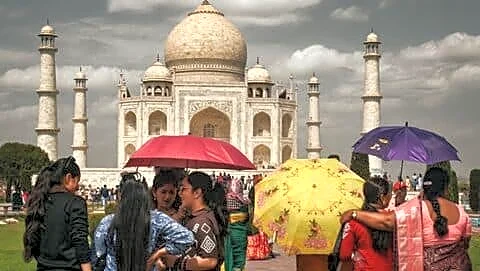

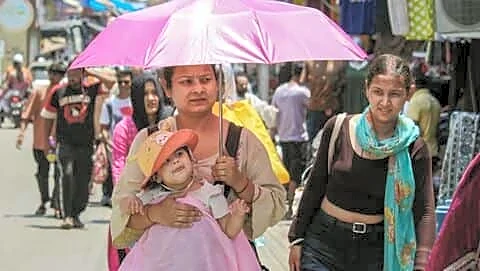
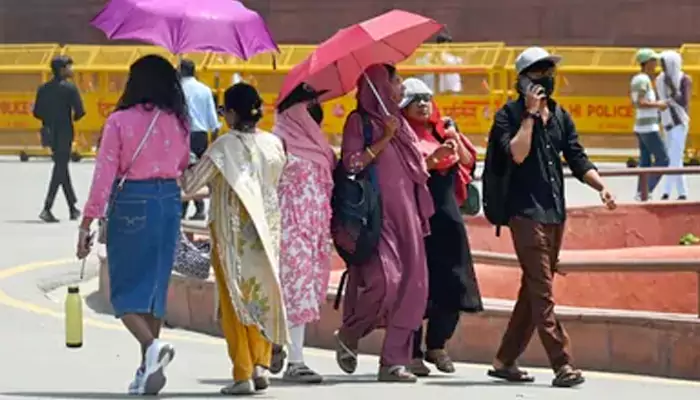
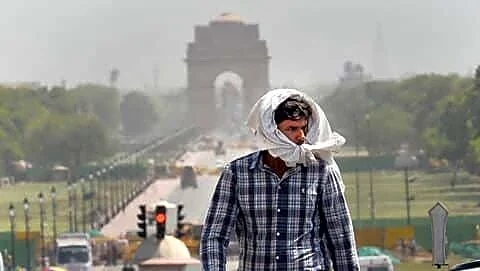
As Delhi battles another intense summer, many families are quietly changing their daily routines in ways that would have once seemed unusual. Across several neighbourhoods, people are charging devices early, storing buckets of water, checking inverter backups, and planning household work around possible electricity cuts and water supply disruptions.
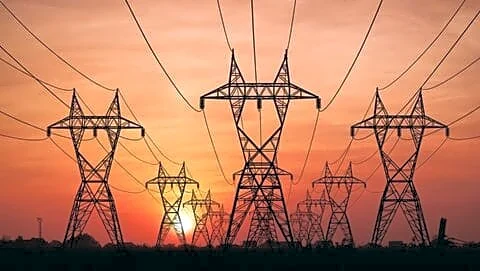
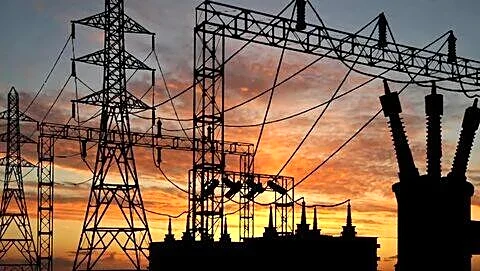
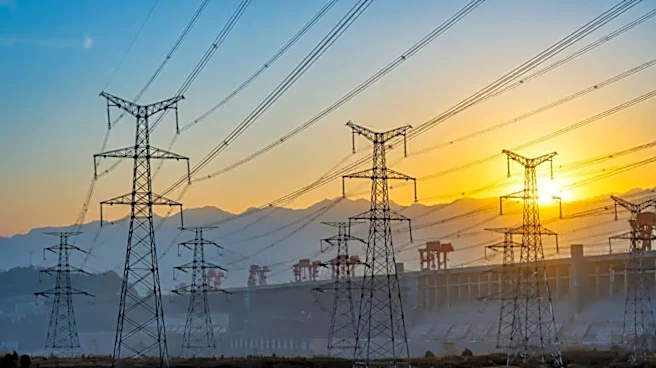
The changes come as extreme heat pushes electricity demand higher across the capital, increasing pressure on power infrastructure and triggering outages
in some areas. At the same time, concerns over high ammonia levels in the Yamuna have affected parts of Delhi’s water management system, creating fresh anxiety around summer water supply.
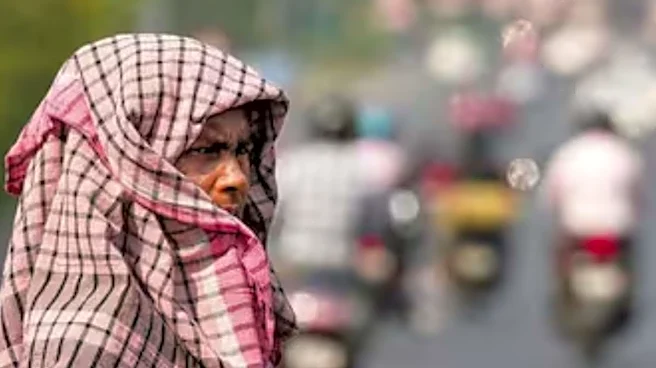
For many residents, the summer heat is no longer just uncomfortable. It is becoming a daily exercise in preparation.
Life Around Power Cut Anxiety
In many homes, charging phones, power banks, laptops, and inverters has become part of the morning routine. Families worry that sudden electricity cuts during peak afternoon heat could affect: fans, air conditioners, internet connections, and even drinking water pumps in apartments.
For people working from home, power disruptions can interrupt meetings and productivity. Students preparing for exams also face difficulties concentrating during long outages and rising indoor temperatures.
Experts say extreme heatwaves are increasing electricity demand faster than many urban systems can comfortably handle.
Water Storage Is Becoming a Habit Again
Alongside electricity concerns, many residents are also becoming more careful about water use and storage. Buckets, bottles, and extra containers are being filled earlier in the day whenever supply arrives. Some households are delaying laundry, reducing water usage, or keeping emergency reserves ready in case supply interruptions worsen.
For many middle-class families, these habits bring back memories of older water shortage periods that people believed modern cities had moved beyond.
Experts say water insecurity creates emotional stress because water affects every part of daily life, drinking, cooking, bathing, cleaning, and hygiene.
Heatwaves Are Changing Everyday Behaviour
The combination of extreme temperatures, water worries, and power cuts is slowly changing how people manage daily life during summer. Many residents now: avoid using heavy appliances during peak hours, stay indoors longer, and plan outdoor tasks carefully.
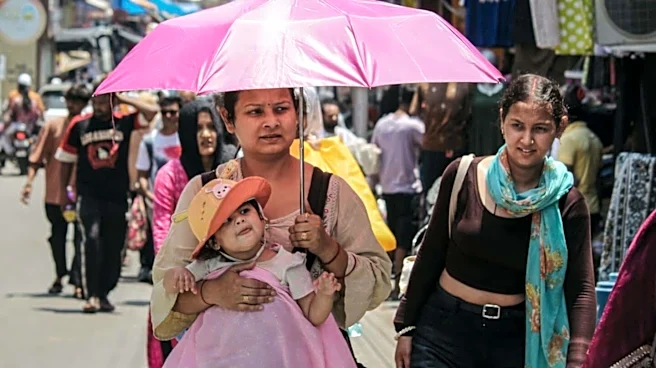
Parents with small children and families caring for elderly relatives feel particularly anxious because dehydration and heat exhaustion can become dangerous quickly during severe heatwaves.
Experts say climate-related stress is becoming increasingly visible in urban life, especially during prolonged summers.
Small Preparations Are Becoming Essential
Across Delhi, households are investing more in: inverters, water purifiers, cooling devices, and backup storage systems. For many people, these are no longer seen as luxury purchases but as necessary protections against uncertainty.
However, experts point out that not every family can afford such backup systems, making extreme weather more difficult for lower-income households.
A Reminder of How Dependent Cities Are on Basic Utilities
The current situation has highlighted how deeply urban life depends on uninterrupted access to electricity and water. Even temporary disruptions can quickly affect: sleep, work, hygiene, health, and emotional comfort.
Experts say climate pressure, population growth, and rising demand are increasing stress on city infrastructure across India, not just in Delhi.
Closing Note: Summer Survival Is Becoming More Complicated
For many Delhi residents, the phrase “charge everything and store water” now reflects a new kind of summer routine. What once sounded like emergency preparation is slowly becoming normal behaviour during periods of extreme heat.
And as climate pressures grow stronger, ordinary families may increasingly find themselves planning daily life not just around schedules, but around uncertainty in the most basic necessities.

/images/ppid_a911dc6a-image-177915409133845800.webp)


/images/ppid_a911dc6a-image-177932825539782092.webp)