/images/imfZ6nBC-image-17787397799414141.webp)


/images/ppid_a911dc6a-image-177848323194251265.webp)

For many Indians, daily travel is not just about reaching a destination, it is also about feeling safe along the way. Whether it is a late-night cab ride, a crowded city bus, or an intercity journey, concerns around passenger safety continue to shape how people experience public transport.
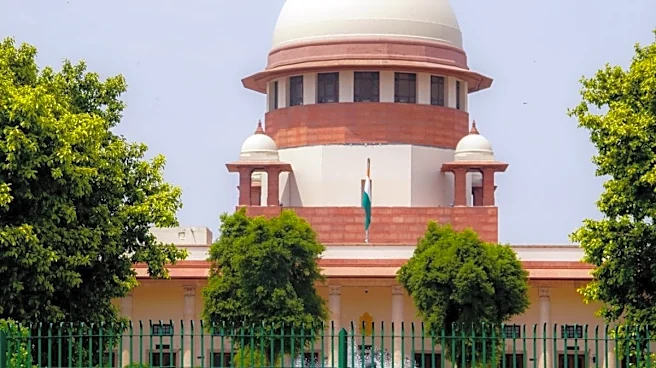
Now, the Supreme Court of India has directed states to ensure that transport vehicles install tracking devices and emergency panic buttons, bringing renewed attention to technology-driven safety systems in public
mobility.
The move is being viewed as an important step toward improving safety for passengers, especially women and senior citizens who often face greater anxiety while travelling alone.
Why Panic Buttons Are Becoming Important in Public Transport
Panic buttons are designed to help passengers send emergency alerts during unsafe situations inside public vehicles. These systems are usually linked with:
- GPS tracking technology
- emergency response networks
The idea is simple: if a passenger feels threatened or unsafe, help should become easier to access quickly.
Experts say such systems can improve accountability because vehicle movement can also be monitored in real time. For many commuters, especially women travelling at night, this could provide an added sense of reassurance.
Why Women and Senior Citizens Often Feel More Vulnerable
Safety concerns in public transport affect different passengers differently.
Women frequently worry about:
- isolated routes
- late-night rides
Senior citizens, meanwhile, may feel vulnerable during medical emergencies, confusion during travel, or situations where immediate assistance becomes necessary. In many cities, families also worry when elderly parents or young women travel alone in taxis or buses.
Because of this, panic buttons and tracking systems are increasingly being discussed not only as technology upgrades, but also as confidence-building tools for passengers.
Tracking Devices Could Change How Public Vehicles Are Monitored
The Supreme Court’s direction also focuses on vehicle tracking systems. Experts say GPS-enabled monitoring can help authorities:
- track route movement
- identify emergencies faster
This may improve response times in situations involving accidents, unsafe driving, or passenger distress. It could also discourage reckless behaviour if drivers know routes are being monitored more closely.
For passengers, visible safety technology inside vehicles may gradually improve trust in public transport systems.

Technology Alone May Not Solve Everything
While safety devices are widely welcomed, experts caution that implementation will determine their real impact. Panic buttons may only work effectively if:
- emergency systems respond quickly
- tracking networks remain active
Without proper monitoring and coordination, passengers may still hesitate to depend fully on such systems. Transport experts also say awareness is important. Many commuters currently do not know whether vehicles already contain emergency systems or how to use them during emergencies.
India’s Public Transport Safety Debate Is Evolving
The discussion around safer transport has grown significantly in recent years as urban commuting patterns become more demanding. Longer travel hours, app-based taxis, and growing city populations have increased dependence on public and shared transport.
At the same time, commuters increasingly expect:
- safer journeys
- quicker emergency support
This is pushing policymakers to look at technology as part of broader transport reforms.
Closing Note: Safety May Soon Become a Visible Part of Everyday Travel
For many passengers, especially women and senior citizens, safety concerns can quietly shape daily routines and travel decisions. The Supreme Court’s push for panic buttons and tracking devices reflects a growing recognition that public transport must not only be efficient, it must also feel secure.
Whether these systems truly change everyday travel will depend on implementation, awareness, and response mechanisms. But for millions of commuters, the conversation itself signals that passenger safety is finally becoming a larger priority in India’s mobility fut




/images/imfZ6nBC-image-177855978244681496.webp)


/images/ppid_59c68470-image-177874002257436038.webp)