/images/imfZ6nBC-image-178054652591810709.webp)


Delhi’s battle with air pollution has taken another policy turn, with the Union government approving a two-year scheme aimed at cutting emissions and tightening rules around older vehicles, including BS-IV category vehicles. While the move is positioned as an environmental necessity, it has also raised a practical question for millions of vehicle owners: will everyday commuting become more complicated and expensive?
For many middle-class families who rely on personal vehicles for work, school runs,
and daily travel, the new rules are not just a policy update, they could directly affect mobility, budgets, and long-term financial planning.
Why BS-IV Vehicles Are Under Focus
BS-IV vehicles, though not the oldest on the road, are now being increasingly scrutinised as cities like Delhi continue to struggle with hazardous air quality levels during peak pollution months.
Authorities argue that reducing emissions from older and more polluting vehicle categories is essential to improving air quality. The new scheme is expected to push faster adoption of cleaner transport options while gradually discouraging the use of higher-emission vehicles.
For regulators, this is part of a larger transition toward stricter environmental standards.
What the New Scheme Means for Drivers
While the detailed implementation framework will determine the exact restrictions, the policy direction suggests tighter regulation for older vehicles in high-pollution zones.
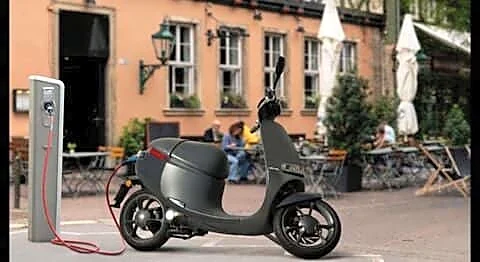
For vehicle owners, this could translate into increased checks, usage restrictions during pollution spikes, or stronger encouragement to upgrade to newer BS-VI compliant or electric vehicles.
Although there is no sudden blanket ban announced for all BS-IV vehicles, the direction of policy signals a gradual tightening of rules over time. This uncertainty is what is worrying many drivers the most.
Middle-Class Families in the Spotlight
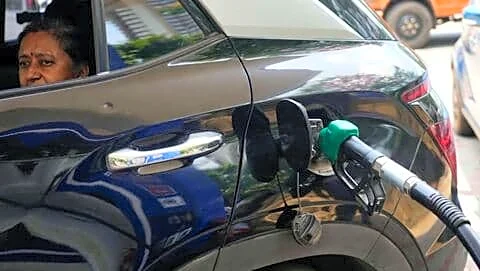
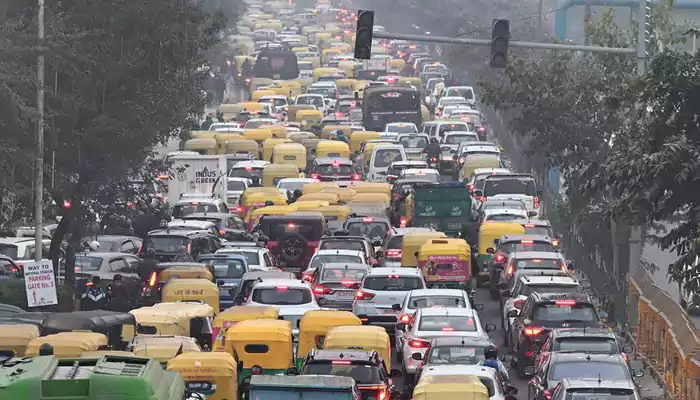
For urban middle-class households, owning a car is often a necessity rather than a luxury. Daily commuting in Delhi-NCR already involves long travel times, traffic congestion, and rising fuel costs. Any additional restrictions on vehicle usage or requirements to upgrade cars could add financial pressure.
Many families who purchased BS-IV vehicles just a few years ago may now find themselves reconsidering their long-term value. The prospect of early replacement or restricted usage raises concerns about affordability. In this context, environmental policy intersects directly with household economics.
The Cost of Transitioning to Cleaner Vehicles
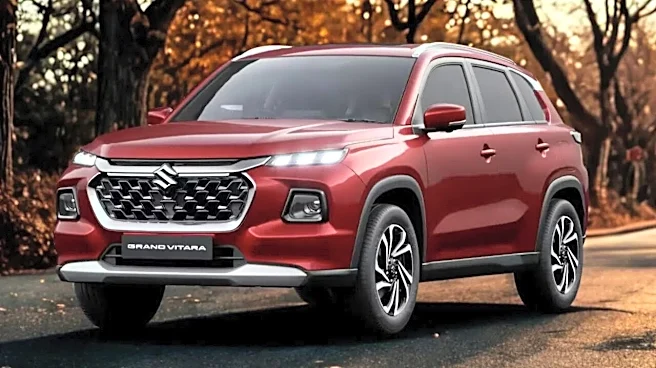
One of the biggest challenges in implementing stricter emission norms is the cost burden on consumers. Switching from BS-IV vehicles to newer BS-VI or electric models involves significant investment. Even with government incentives for electric vehicles, the upfront cost remains high for many households.
Additionally, infrastructure such as charging stations, resale value of older vehicles, and maintenance costs all play a role in how smoothly this transition happens. For many owners, the question is not about willingness to adapt, but about financial feasibility.
Balancing Clean Air and Daily Mobility
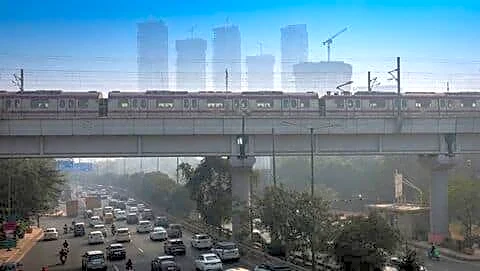
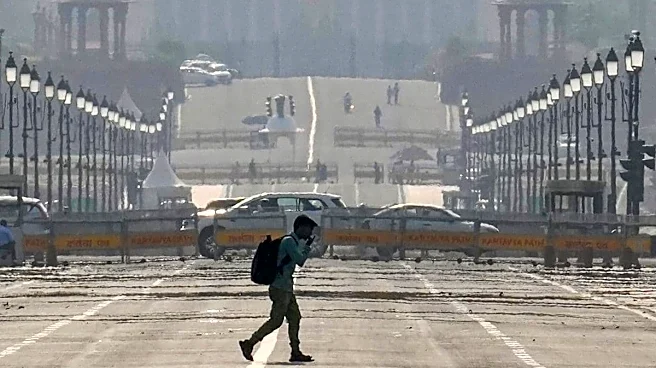
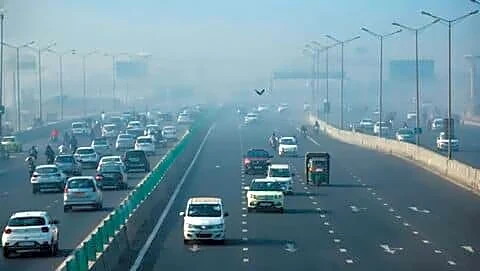
Delhi’s pollution crisis is widely acknowledged as one of the most serious urban environmental challenges in the country. Policy measures aimed at reducing emissions are seen as necessary to protect public health.
However, these measures must also consider the impact on daily life. Restrictions that affect vehicle usage can have ripple effects on work attendance, school travel, emergency mobility, and small business logistics.
This creates a difficult balancing act for policymakers: improving air quality without disrupting essential urban mobility.
What Comes Next for Vehicle Owners
While the current scheme signals a stronger push toward cleaner transport, the actual on-ground impact will depend on implementation rules, enforcement timelines, and supporting infrastructure.
Experts suggest that clearer guidelines and phased transitions will be key to avoiding confusion among vehicle owners. Public awareness campaigns and financial support mechanisms could also help ease the transition.
For now, most BS-IV vehicle owners are watching closely to understand what the next steps will mean for their daily commute.
Final Thoughts
The new pollution control scheme highlights a larger shift in Delhi’s approach to air quality management. While the goal of cleaner air is widely supported, the transition raises important questions about affordability, readiness, and fairness.
For middle-class vehicle owners, the policy is not just about emissions, it is about how quickly everyday life is expected to adapt to environmental urgency. As Delhi moves forward with stricter norms, the challenge will be ensuring that clean air and practical mobility can coexist without placing disproportionate pressure on ordinary citizens.

/images/ppid_59c68470-image-178048252437468299.webp)