







Adventure tourism in Uttarakhand is set for a major shift as the state government plans to introduce a new framework to regulate trekking and mountaineering
activities in the Himalayas. The move comes amid rising tourist footfall, safety concerns, and increasing pressure on fragile mountain ecosystems.
The new system is expected to bring more structure to trekking routes, registration processes, and safety protocols, marking a significant change for travellers who are used to planning spontaneous Himalayan adventures.
Officials believe the step will improve safety standards while ensuring sustainable tourism in high-altitude regions.
Why Uttarakhand Is Planning New Trekking Rules
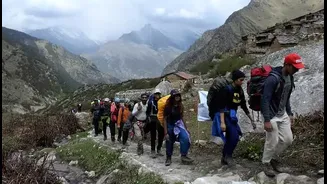
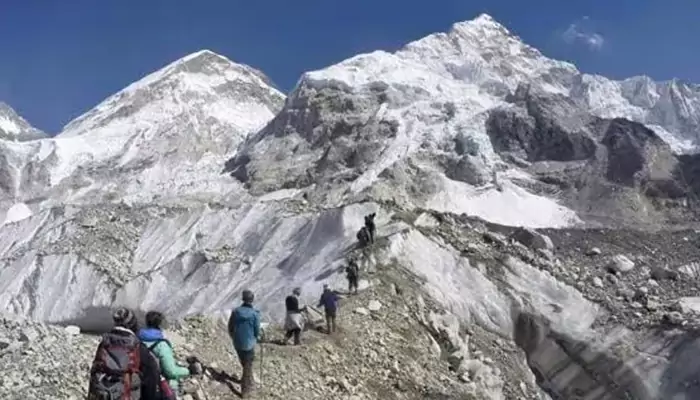
Uttarakhand has long been one of India’s most popular destinations for trekking, attracting both domestic and international travellers. Trails like Valley of Flowers, Kedarkantha, and Roopkund have seen a steady rise in footfall over the years.
However, this popularity has also created challenges. Authorities have flagged concerns over unregulated trekking groups, lack of proper guidance, and increasing pressure on rescue teams during emergencies.
In some cases, inexperienced trekkers venturing into difficult terrain without adequate preparation have led to accidents and emergency operations. These incidents have pushed the government to rethink how adventure tourism is managed in the state.
What the New Framework May Include
Although the detailed guidelines are still being developed, the proposed framework is expected to introduce structured rules for trekking and mountaineering activities.
Travellers may soon need to follow a more formal process that includes registration before starting a trek. The system could also include mandatory use of registered guides for certain routes, especially those considered high-risk or high-altitude.
Authorities are also exploring the idea of better tracking systems for trekkers to improve safety response in case of emergencies. This would help rescue teams locate individuals faster during weather changes or accidents.
The overall aim is to create a more organised and safer trekking environment without discouraging tourism.
Safety Concerns Behind the Decision
One of the key reasons behind the proposed regulation is safety. The Himalayan region is known for unpredictable weather, difficult terrain, and limited connectivity, making rescue operations challenging.
Officials have noted that sudden weather changes and lack of proper preparation among trekkers often lead to avoidable risks. In many cases, tourists underestimate the difficulty level of certain routes.
By introducing stricter guidelines, the government aims to ensure that travellers are better informed and better prepared before entering high-altitude zones.
Balancing Tourism and Fragile Ecosystems
Beyond safety, environmental concerns are also driving the move toward regulation. The Himalayan ecosystem is highly sensitive, and increased tourist activity has raised concerns about waste management, trail damage, and ecological imbalance.
Local experts believe that uncontrolled tourism can harm biodiversity and disrupt natural habitats. Popular trekking routes often face issues like littering, overcrowding, and strain on local resources during peak seasons.
The proposed framework is expected to encourage more responsible tourism practices and reduce environmental pressure on these fragile regions.
What Travellers May Need to Change
For adventure enthusiasts, the biggest change will likely be in how treks are planned and executed. Spontaneous or last-minute trekking trips may become less common, especially for challenging routes.
Travellers may need to:
- register before starting a trek
- follow designated trekking guidelines
- use authorised guides in certain areas
- adhere to safety instructions more strictly
While these measures may add steps to planning, they are expected to significantly improve safety and coordination.
Impact on Adventure Tourism Culture
Over the years, social media has played a major role in boosting trekking trends in Uttarakhand. Viral images and travel content have encouraged many young travellers to explore Himalayan trails.
However, this “Instagram-driven tourism” has also contributed to overcrowding on popular routes, sometimes leading to unmanaged groups and safety risks.
Experts say the new framework could help bring more discipline to adventure tourism while still allowing people to experience the Himalayas responsibly.
Closing Note: A Shift Toward Safer Himalayan Exploration
Uttarakhand’s move to regulate trekking and mountaineering reflects a growing need to balance adventure tourism with safety and sustainability.
While travellers may need to adapt to new rules and planning requirements, the long-term goal is to make Himalayan exploration safer, more organised, and environmentally responsible.
As the framework develops, it is likely to reshape how thousands of trekkers experience one of India’s most iconic adventure destinations.