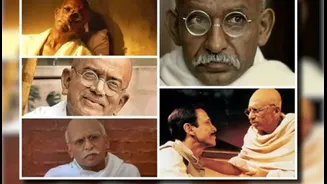






As India pauses to remember Bapu’s final march, we peek behind the curtain at how Bollywood’s lens often smudges the Mahatma’s spectacles.
January 30th
usually brings a somber hum to our chaotic streets, but the Gandhi we see on celluloid often feels like a stranger to the man who walked Dandi. I reckon it’s a tricky tightrope - balancing a saint-like icon with the messy reality of a political genius. We’ve seen him as a ghost in a tapori’s head and as a fractured father, but sometimes, the creative liberties take a detour into outright fiction.
The "Gandhigiri" Dilution
From Lage Raho Munna Bhai (2006)<
(@ultraplayott/Instagram)
Remember Lage Raho Munna Bhai? It was a riot, sure, but some critics argue it turned profound satyagraha into a "moronic" Hallmark card. By wrapping complex philosophy in street slang, the film arguably traded Bapu's "political genius" for a simplified, hallucinated mentor. It’s a fun ride, but does "Gandhigiri" truly capture the grit of a man who shook an empire?
Akshay Khanna’s stellar performance in Gandhi, My Father
(@akfcnetwork/Instagram)
Perhaps the most jarring portrayal - or lack thereof - is found in Gandhi, My Father. While it earns points for showing the Mahatma's domestic failings, some feel it polished over the "real emotions" of the struggle to keep the icon intact. It’s that old Bollywood habit: we’re so afraid of scratching the pedestal that we end up painting a flat portrait.
Cinematic Stumbles and Rewritten History
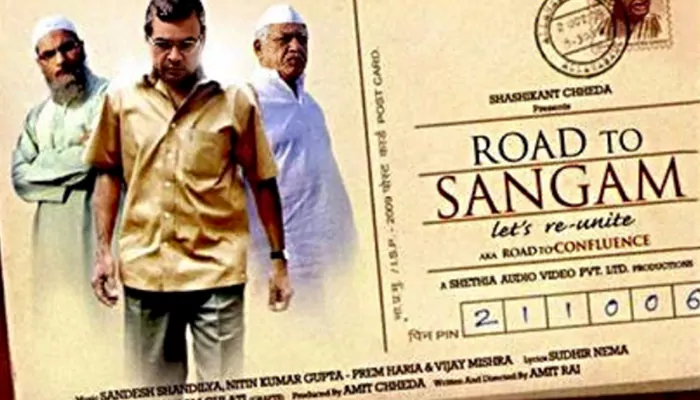
Then there’s the outright bizarre. Take Road to Sangam's mention of a "C-grade" international flick where a dying Bapu emits a strange light, making Godse beg for forgiveness - pure melodrama over history. Even Hey Ram, though nuanced, plays with "alternate history" that can muddy the waters for a generation learning history through OTT platforms.
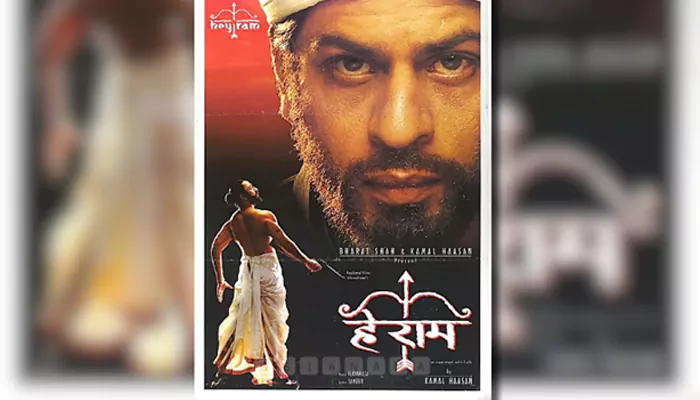
And what about Why I Killed Gandhi? It sparked a firestorm for allegedly painting the assassin in a heroic light, forcing a public apology from its lead. It matters because when cinema rewrites the victim and the villain, the "truth" Bapu lived for gets buried under a trend.
The Shadow of the Icon
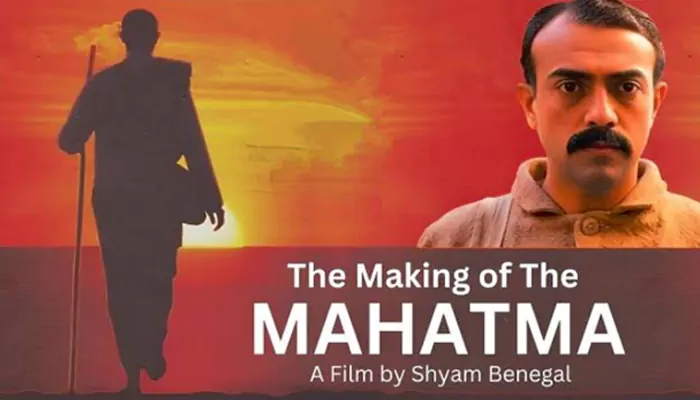
I believe the real danger isn't a bad performance, but a sanitized one. Films like The Making of the Mahatma get close, but they’re often overshadowed by the "masala" versions. We need the man who struggled with his diet and his son, not just the man on the currency note.
As we light candles today, maybe we should demand a cinema that’s as honest as his experiments. After all, if we can't handle Bapu’s flaws, we’ll never truly grasp his greatness. The celluloid saint is easy to love; the real Gandhi is much harder - and far more necessary - to understand.