






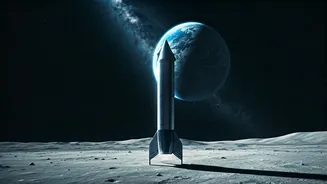
Exploring the groundbreaking missions that are helping scientists uncover the mysteries of Mars.
The surface of Mars has captivated the human imagination
for centuries. From ancient astronomers to modern-day space explorers, the allure of the Red Planet is undeniable. Yet, it wasn’t until the advent of robotic technology that we began to truly explore Mars and understand its complex landscape. At the forefront of these explorations are rovers—robotic vehicles designed to travel across the Martian terrain, gathering data, taking photographs, and conducting experiments. These extraordinary machines have unlocked secrets about Mars’ geology, climate, and potential for supporting life, marking an incredible leap in our understanding of the planet.
The Role of Rovers in Mars Exploration
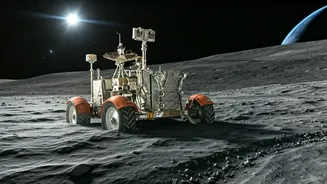
Rovers are far more than just mobile research stations. They are equipped with a variety of scientific instruments designed to analyze Mars' atmosphere, rocks, soil, and other features. Over the years, several successful rover missions have been launched to explore different regions of the Martian surface. These rovers serve as the eyes and hands of scientists on Earth, providing data and images that would otherwise be impossible to obtain from afar.
The rovers are designed to be autonomous, able to make decisions based on their environment. They rely on a combination of sensors, cameras, and artificial intelligence to navigate the planet's rocky and often unpredictable terrain. Unlike spacecraft, which orbit planets from a distance, rovers venture directly into the heart of the planet, enabling researchers to conduct on-the-ground investigations of Mars' surface.
Breakthroughs in Mars Research
The rovers have made several groundbreaking discoveries since the first one, Sojourner, landed on Mars in 1997. Sojourner’s successful mission marked the beginning of a new era in Mars exploration, but it was the subsequent rovers that truly began to unravel the planet’s mysteries.
In 2004, the Spirit and Opportunity rovers were launched by NASA as part of the Mars Exploration Rover mission. Spirit provided valuable insights into the geology of Mars and the planet's history of water, while Opportunity explored vast plains and rocky outcrops. After 14 years of exploration, Opportunity sent its last transmission in 2018, having traveled over 28 miles—far exceeding its initial mission lifespan.
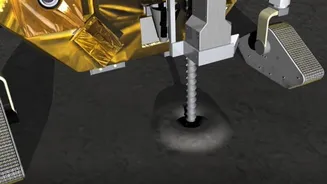
The Curiosity Rover, which landed on Mars in 2012, has provided even more detailed analysis of the planet's surface. Curiosity is equipped with a suite of tools, including a drill capable of collecting soil samples and a camera that has captured stunning images of Mars' landscapes. One of its most significant discoveries was the identification of ancient organic molecules in Martian soil, hinting at the planet’s potential to support life in its distant past.
Curiosity also discovered that Mars had the right conditions to support microbial life in its ancient history. By analyzing rock formations, it found evidence that liquid water once flowed on the surface, a key factor in the search for life. These findings have inspired new research into whether Mars could have hosted life forms, and whether it might still be capable of sustaining life in certain conditions today.
The Future of Rover Missions
The success of past rovers has paved the way for more ambitious missions. The Perseverance Rover, which landed on Mars in February 2021, is one of the most advanced rovers ever sent to the Red Planet. Perseverance is designed to search for signs of ancient life in a region called Jezero Crater, where scientists believe a river once flowed into a lake. In addition to analyzing the planet’s geology and climate, Perseverance is tasked with collecting samples that could eventually be returned to Earth by future missions. This marks a significant step toward understanding whether Mars ever harbored life.
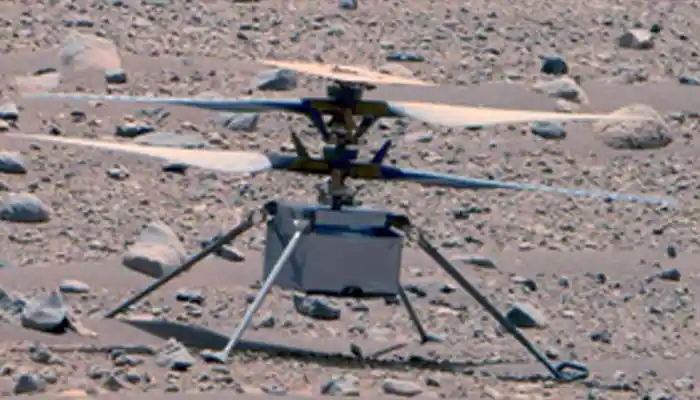
Perseverance is also carrying the Ingenuity helicopter, a small rotorcraft that has already achieved a historic first: flying on another planet. Ingenuity’s success could pave the way for future aerial exploration of Mars, allowing for a new dimension of data collection and site exploration.
Rovers and Human Exploration
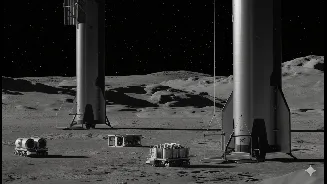
As space agencies around the world, including NASA and the European Space Agency (ESA), focus on sending humans to Mars, the data gathered by rovers plays an essential role in preparing for these future missions. The insights from rovers on Mars' atmosphere, radiation levels, and weather patterns will help astronauts better understand how to survive on the Martian surface. Additionally, the exploration of resources like water ice is crucial for long-term human habitation.
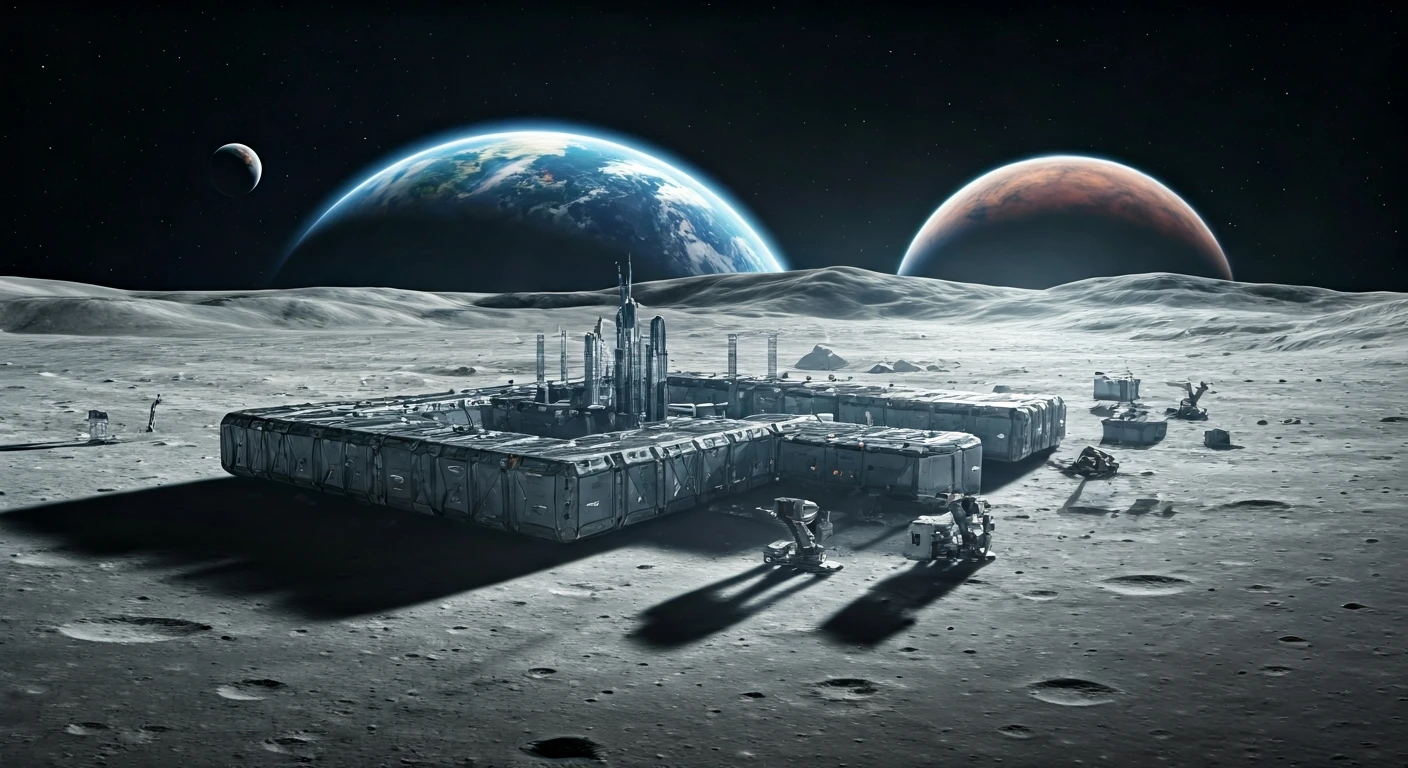
Rovers also test technologies that could be used in future human missions. From habitat construction to life support systems, the innovations tested by rovers provide valuable feedback for designing missions that will take astronauts to Mars in the coming decades. Rovers are laying the groundwork for a new chapter in space exploration, one where humans can walk the Martian surface with the knowledge gained from robotic missions.
Mars rovers have become the key instruments in unlocking the Red Planet’s secrets. They have expanded our knowledge of the planet’s history, its potential to support life, and its environmental challenges. With each new rover mission, we are taking another step closer to understanding Mars, and possibly preparing for human exploration. From the Sojourner Rover to the more sophisticated Perseverance, these robotic pioneers continue to reveal the mysteries of Mars, inspiring future discoveries and fueling the dream of sending humans to the planet. As technology continues to evolve, the possibilities for Mars exploration—both robotic and human—are limitless.