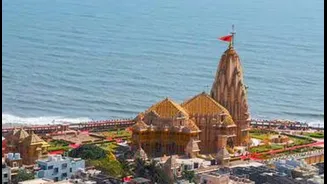






For many travellers, Somnath Temple has always been known as one of India’s most sacred pilgrimage sites. Revered as the first among the 12 Jyotirlingas
of Lord Shiva, the temple attracts millions of devotees every year.
But in recent weeks, Somnath has once again moved into the national spotlight following the Somnath Amrut Mahotsav celebrations marking 75 years since the reconstruction and reconsecration of the temple after Independence. The celebrations, attended by Prime Minister Narendra Modi, renewed attention on the temple’s spiritual importance, history, and growing tourism appeal.
For travellers, however, Somnath today offers much more than just a quick temple visit.
A Rare Temple Experience Beside the Arabian Sea
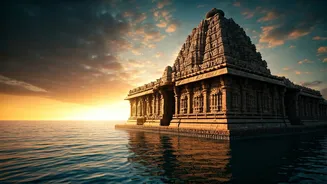
One of the most unique aspects of Somnath is its location. Unlike many crowded inland temple towns, the shrine stands dramatically beside the Arabian Sea, creating a peaceful atmosphere that many visitors describe as unforgettable.
Travellers on Reddit and travel forums frequently describe sunrise and early morning visits as the most calming part of the journey. One traveller recently wrote that watching the sunrise beside the temple bells and sea waves felt “hard to describe.”
Early morning darshan is often recommended because:
- crowds are lighter
- the weather feels pleasant
- the sea-facing temple looks especially striking at sunrise
Beyond Darshan: What Else Can Travellers Explore?
While the temple remains the centrepiece, many visitors now spend extra time exploring nearby spiritual and heritage locations around Prabhas Patan.
Popular nearby attractions include:
- Triveni Sangam
- Bhalka Tirth
- Somnath beach area
- the evening light-and-sound show
- local markets and coastal food spots
The temple complex itself has also expanded visitor facilities in recent years, including improved accommodation, transport access, and pilgrim services. Reports suggest nearly 97 lakh pilgrims visit Somnath annually.
Easier Connectivity Is Bringing More Domestic Travellers
Improved road, rail, and air connectivity has made Somnath easier to access than before.
Travellers commonly reach Somnath through:
- Veraval railway station
- Rajkot airport
- Diu airport
- Gujarat road tourism circuits
- Many tourists are now combining Somnath with:
- Dwarka
- Gir National Park
- Diu
- Nageshwar Jyotirlinga
to create longer Gujarat spiritual and coastal travel itineraries. Travel discussions online increasingly show families combining temple visits with wildlife tourism and beach experiences.
Why Somnath Feels Different From Other Pilgrimage Destinations
What makes Somnath emotionally powerful for many travellers is not only faith, but also its story of repeated destruction and reconstruction through centuries.
The temple is often seen as a symbol of resilience and continuity in Indian civilization. Recent celebrations around the 75th anniversary of its post-Independence restoration have further increased public interest in its legacy.
This blend of:
- spirituality
- history
- architecture
- coastline views
- cultural symbolism
makes the experience feel different from a typical temple trip.
A Modern Spiritual Destination Is Also Emerging
Somnath is also evolving with modern tourism infrastructure. Reports earlier this year highlighted plans for a new immersive 3D museum experience connected to the temple’s history and the 12 Jyotirlingas.
Combined with large-scale events, improved amenities, and rising domestic tourism, Somnath is increasingly attracting:
- young travellers
- spiritual tourists
- photographers
- history enthusiasts
- family road trippers
Closing Note: Somnath Is Becoming More Than a Pilgrimage Stop
For generations, Somnath has represented faith and devotion. But for modern travellers, it is increasingly becoming something broader, a coastal heritage destination where spirituality, history, architecture, and peaceful travel experiences come together.
And as Somnath trends once again across India, many travellers may discover that the journey offers far more than just temple darshan.