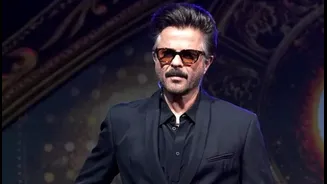

Age fades, relevance doesn’t; Anil Kapoor proves it again.
In an industry where relevance has an expiry date, Anil Kapoor has quietly broken every rule.
As he celebrates another birthday, his journey from the soulful intensity of Lamhe (1991) to the chilling authority of Animal (2023) reads less like a career graph and more like a masterclass in reinvention. Four decades, multiple genres, shifting audience tastes and yet, Anil Kapoor remains firmly in the conversation.
This isn’t luck. It’s strategy, risk-taking, and an uncanny understanding of evolving cinema.
1980s: The Rise of the Relatable Hero
Anil Kapoor entered Bollywood in the early 1980s, but it was films like Mashaal, Meri Jung, and Tezaab (1988) that made him a household name. Unlike the larger-than-life heroes of the time, Kapoor brought vulnerability, raw energy, and emotional honesty to his roles.
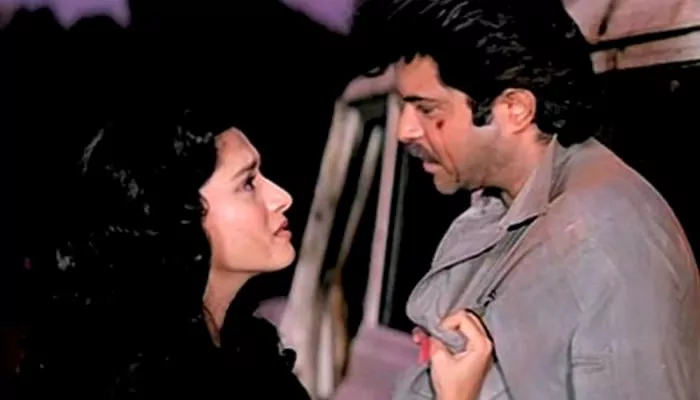
Tezaab didn’t just give India “Ek Do Teen”; it gave Bollywood a new kind of leading man intense, flawed, and relatable. By the end of the decade, Anil Kapoor had positioned himself as a performer who could balance commercial success with emotional depth.
1990s: Reinventing Romance and Masculinity with Lamhe
If there’s one film that defines Anil Kapoor’s willingness to take risks, it’s Lamhe. Released in 1991, the film was ahead of its time and initially misunderstood. Playing dual romantic timelines with emotional restraint rather than bravado, Kapoor showcased maturity when most stars chased mass appeal.
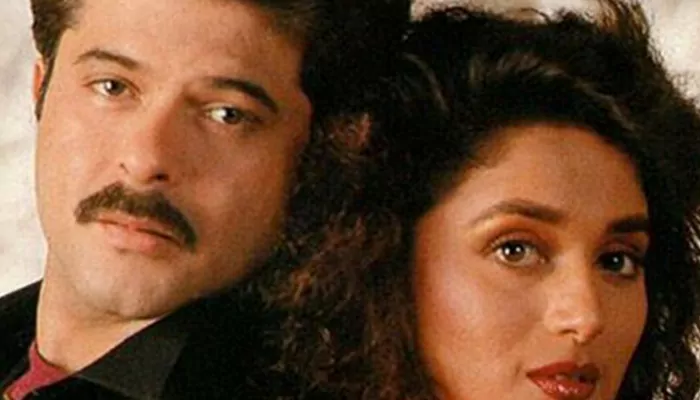
The ’90s saw him oscillate between action (Beta, Trimurti), romance (1942: A Love Story), and drama (Virasat), proving that stardom didn’t need stagnation. While some contemporaries stayed boxed in, Kapoor quietly diversified.
2000s: When the Hero Learned to Share the Spotlight
As Bollywood transitioned into the 2000s, many leading men struggled with age-related irrelevance. Anil Kapoor did the opposite. Films like Nayak (2001) showed his political intensity, while No Entry (2005) and Welcome (2007) revealed his impeccable comic timing.
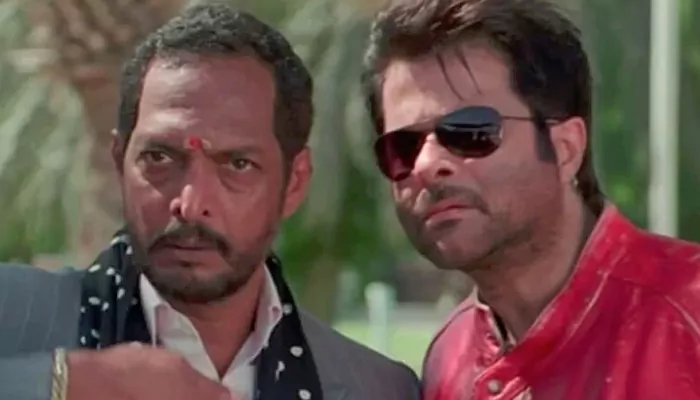
But the real shift came when he embraced ensemble storytelling, allowing younger stars to shine while he strengthened the narrative. This phase marked a conscious move from “hero” to “pillar.”
2010s: Reinvention Goes Global and Experimental
The 2010s were arguably Anil Kapoor’s boldest decade. From Slumdog Millionaire putting him on the global map to Dil Dhadakne Do portraying a complex, flawed patriarch, Kapoor leaned into character-driven roles.
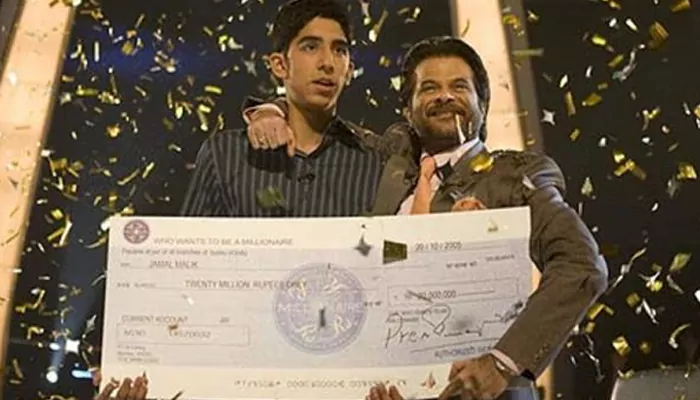
24 India was another turning point. As a television protagonist in a high-stakes thriller, he redefined what stardom could look like on the small screen long before OTT became fashionable. He wasn’t chasing trends; he was anticipating them.
2020s: From Fitness Icon to Fear Factor in Animal
If the internet crowned Anil Kapoor Bollywood’s “forever young” icon, Animal reminded audiences of his dramatic gravitas. As Balbir Singh, a morally ambiguous, emotionally distant father, Kapoor delivered a performance that unsettled and impressed in equal measure.
In an era dominated by younger stars, he chose a role that demanded restraint, darkness, and authority cementing his relevance yet again. Few actors can evolve from heartthrob to antagonist without losing audience respect. Kapoor managed it seamlessly.
Why Anil Kapoor’s Reinvention Works?
The secret isn’t just fitness or discipline, it’s curiosity. Kapoor adapts without abandoning his core. He studies changing narratives, respects younger talent, and picks roles that challenge audience perception.
He doesn’t chase nostalgia. He creates new chapters.

From Lamhe to Animal, Anil Kapoor’s career is proof that longevity in Bollywood isn’t about playing safe, it’s about playing smart. As he adds another year to his journey, one thing is clear: Anil Kapoor isn’t just surviving cinema’s evolution, he’s shaping it.
Happy Birthday to Bollywood’s most consistent reinvention artist.