




The season may be changing, but your immunity needs attention!
As winter begins to fade, most of us breathe a sigh of relief. The harsh cold loosens its
grip, mornings feel lighter, and the promise of spring or summer, in most parts of India feels close. But while the season may be changing, your immune system is still playing catch-up.
Late winter is one of the most underestimated periods for health. It’s when many people fall sick despite believing the worst is over. If you’ve been dealing with lingering coughs, unexplained fatigue, frequent colds, or digestive discomfort, there’s a reason behind it.
The Hidden Stress of Seasonal Transition
Your body thrives on rhythm. When temperatures, daylight hours, and routines change together as they do at the end of winter, the immune system experiences subtle stress.
Cold mornings, warmer afternoons, and cool evenings force your body to constantly regulate temperature. This repeated adjustment drains energy that would otherwise be used to fight infections.
In simple terms, your immunity is busy adapting, leaving you more vulnerable to viruses and bacteria that are still circulating.
Nutrient Depletion After Winter
Winter diets often focus on warmth and comfort. While that’s helpful, many people unintentionally reduce their intake of fresh fruits, raw vegetables, and hydration during colder months.
By late winter, the body may be running low on key nutrients like:
- Vitamin C
- Vitamin D
- Zinc
- Antioxidants
These nutrients are essential for immune cell production and repair. Without replenishment, immunity weakens just when environmental exposure increases.

Sunlight Changes Affect Immunity
Winter means shorter days and limited sun exposure, especially for those who spend most of their time indoors. By the end of the season, vitamin D levels may be at their lowest, impacting immune response and energy levels.
Low vitamin D has been linked to frequent infections and slower recovery, one reason late winter illnesses linger longer than expected.
Sleep Patterns Take a Hit
As daylight increases, many people naturally start waking earlier while still sleeping late at night. This disrupts sleep cycles.
Even mild sleep deprivation affects immunity. The body produces infection-fighting proteins during deep sleep, and inconsistent rest reduces their effectiveness. Late winter fatigue isn’t laziness—it’s biology.
Why Late-Winter Infections Feel Stubborn
Another common complaint is that illnesses at this time take longer to go away. That’s because:
The immune system is already strained
Weather keeps changing, slowing recovery
Allergies begin overlapping with viral symptoms
Sneezing, congestion, sore throat, and headaches are often ignored as “seasonal,” allowing infections to deepen.

How to Support Immunity at the End of Winter
You don’t need extreme measures, just mindful adjustments.
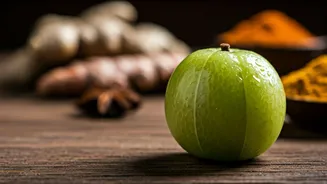
Prioritise seasonal nutrition. Add citrus fruits, amla, guava, leafy greens, turmeric, ginger, and garlic to your meals. These naturally strengthen immune responses.
Hydrate consistently. Even if you don’t feel thirsty, your body needs fluids to flush toxins and keep protective mucous membranes healthy.
Dress smartly, not lightly. Layering remains important. Sudden exposure to cold air in mornings and evenings can trigger illness.
Fix your sleep rhythm. Aim for consistent bedtimes and wake-up times as daylight increases.
Ease into physical activity. Gentle exercise boosts immunity, but overtraining during seasonal transition can backfire.
When to Be Extra Careful
Children, older adults, and people with existing health conditions are especially vulnerable during late winter. For them, immunity support isn’t optional, it’s essential.
If symptoms persist beyond a few days or worsen, timely medical advice can prevent complications.
The Bottom Line
The end of winter isn’t a recovery phase, it’s a transition phase. Your immune system is adjusting to new temperatures, routines, and exposures. Ignoring this shift can lead to repeated illness and prolonged fatigue.
With small, consistent changes, you can help your body transition smoothly into the next season stronger, healthier, and more resilient.
Because immunity doesn’t take a break just because winter does.