




If 2025 was ISRO warming up its engines, early 2026 is the bit where India hits the throttle - and keeps it there.
ISRO has quietly set itself a tough target:
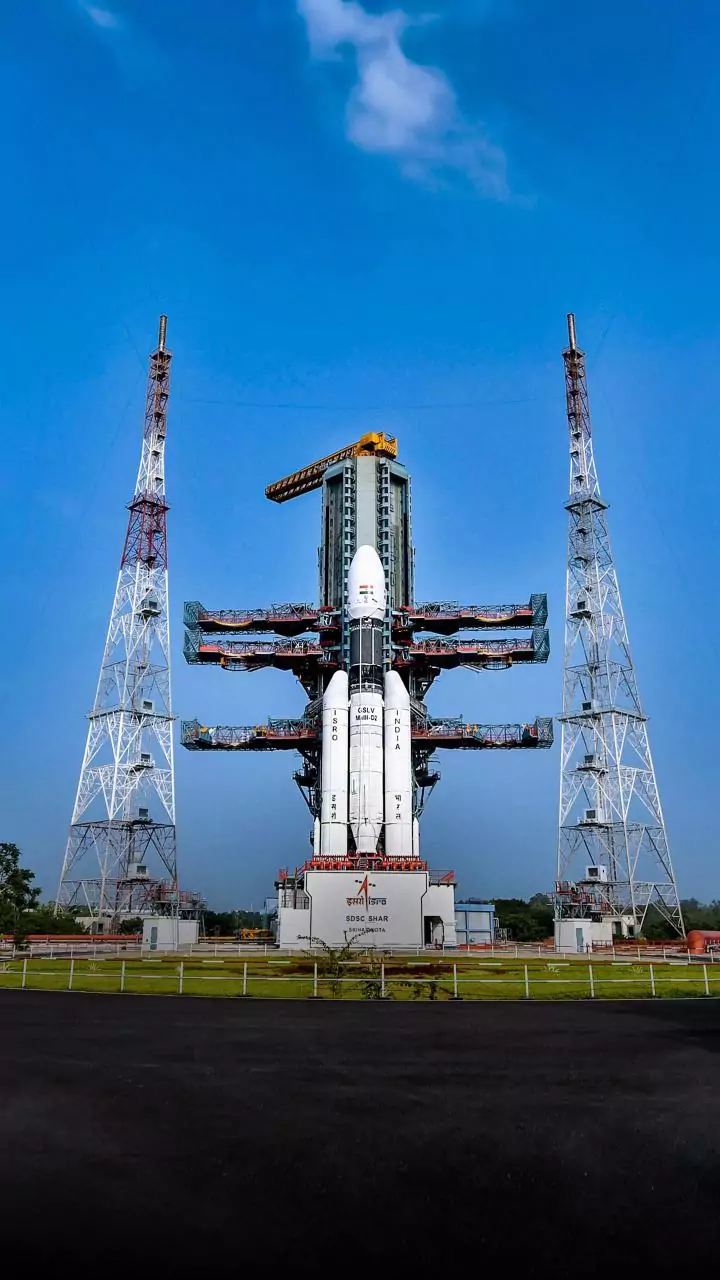
seven missions to be executed before March 2026, spread across its big three launch vehicles: PSLV, GSLV and LVM3 - and anchored by the first uncrewed Gaganyaan flight. Chairman V. Narayanan has described this burst of launches as the opening leg of a larger plan to send up 50 rockets in five years, effectively turning India into a high-frequency launch player rather than an occasional headline - maker. It’s an intense roadmap, but you get the sense the agency actually likes operating in this slightly mad, always-in-integration mode.
The seven missions, in plain language
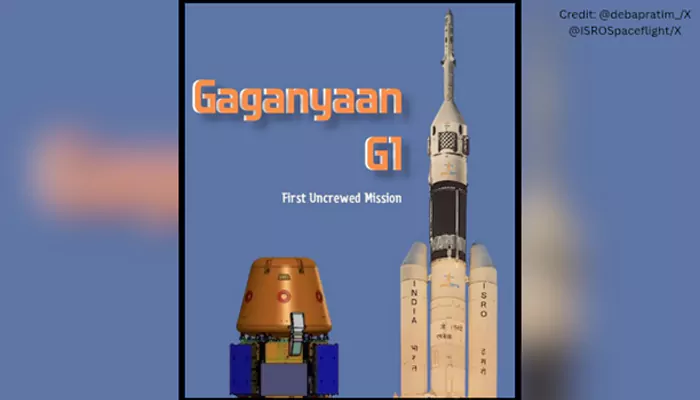
At the heart of the line-up sits Gaganyaan’s G1 mission - the first uncrewed test-flight of India’s human-spaceflight spacecraft, meant to validate life-support systems, avionics and crew-escape mechanisms in real orbital conditions. Around it, six satellite launches are planned: an LVM3-M5 mission carrying the CMS-02 communications satellite.
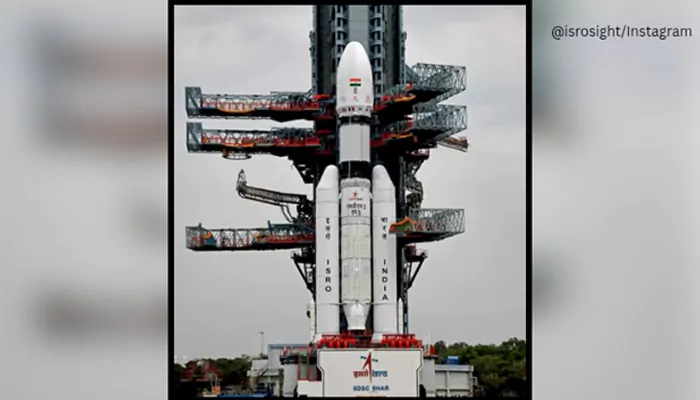
LVM3-M5 satellite
PSLV - C62 flight with the EOS-N1 Earth-observation satellite and 18 co-passenger payloads; the first industry-built PSLV-N1 technology mission; a GSLV-F17 launch to place navigation satellite NVS-03 in orbit; a GSLV-F18 flight with imaging satellite GISAT-1A; and a commercial LVM3 mission lofting the US BlueBird Block-2 satellite.
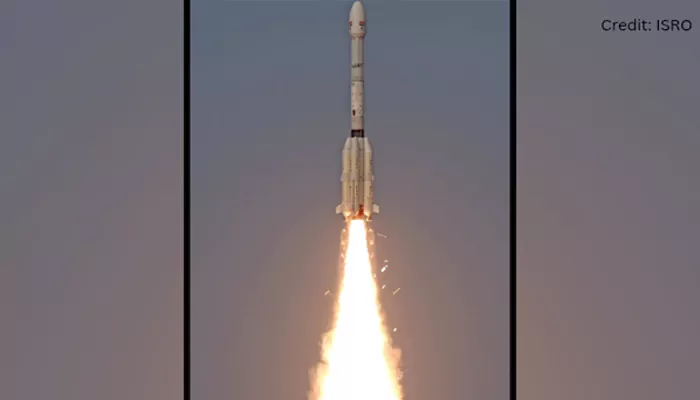
Together, these missions cover everything - from communications, navigation, climate and resource monitoring to tech demos and global commercial work.
Why this cluster matters so much
On the surface, it looks like a normal manifest. Look closer, and you see the shift. G1 is a dress rehearsal for putting Indian astronauts in orbit later in the decade, and every sensor, abort sequence and splashdown from that mission will feed directly into crewed flights G2 and G3.
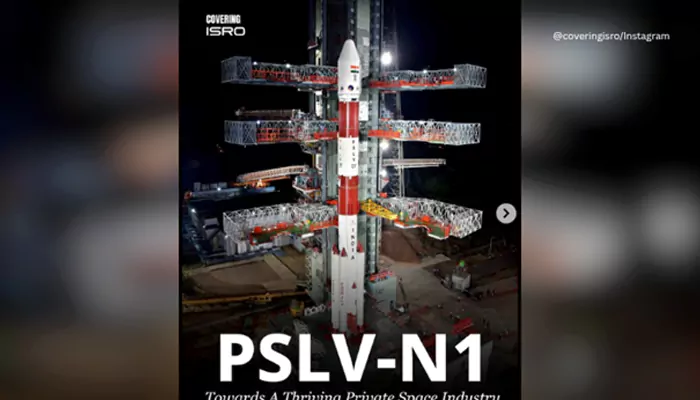
PSLV‑N1, realised by a private industrial consortium, signals that the trusted “workhorse” rocket is no longer just an in-house ISRO job but a product India Inc. can build and operate - exactly the sort of reform NewSpace policy has been pushing for. The navigation, Earth-observation and communication satellites, meanwhile, strengthen everything from-precision agriculture and disaster response to telecom and logistics, which is why space-policy analysts keep calling ISRO a “silent infrastructure ministry in orbit”. And that BlueBird launch? It quietly extends India’s reputation as a dependable commercial ride to space, undercutting costs while keeping reliability stats high.
A year-end preview of India’s space mood
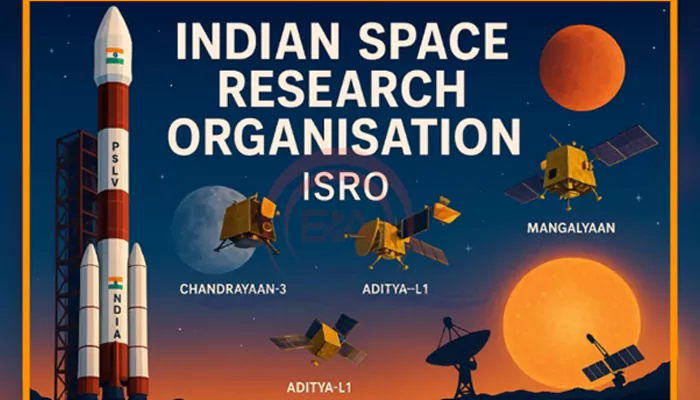
So, what does all this add up to as 2026 opens? In simple terms, India’s space programme moves from milestone-hunting - one big mission every year or two - to a rhythm where ambitious science, human spaceflight prep and revenue-earning launches run in parallel. If these seven missions go off as planned, ISRO walks into the next financial year with Gaganyaan hardware proven in orbit, industry firmly embedded in launch operations, and data pipelines flowing to everyone from farmers and disaster managers to global clients tracking forests and oceans.
The mission is less about a single “wow” moment, more about a new normal: rockets leaving Sriharikota so often that the plume over the Andhra coast becomes just another part of the skyline, with each liftoff nudging India further into the club of countries that don’t just visit space, but work there, week in and week out.