
2025 was the year space agencies stopped merely talking about “the decade of exploration” and, quietly, just got on with it.
This year's launch calendar
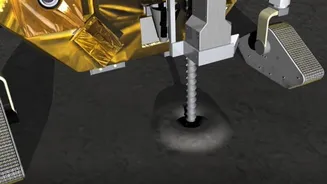
looked less like a neat spreadsheet and more like controlled chaos - in the best way. PRC sent off Tianwen-2,a daring asteroid and comet sample-return mission targeting the tiny near-Earth object Kamo'oalewa, aiming to land,drill, grab rock and then haul the loot back home,a world-first profile for such a small body.
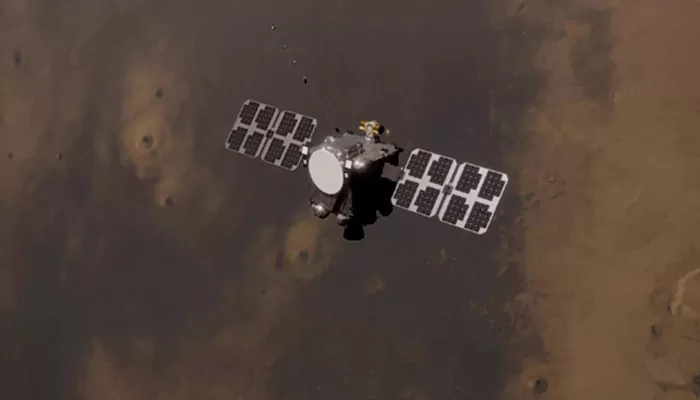
This close-up illustration shows what one of the twin ESCAPADE spacecraft will look like conducting its science operations.
Credit: James Rattray/Rocket Lab USA/Goddard Space Flight Center
NASA, meanwhile, pushed ahead on several fronts: twin ESCAPADE orbiters were lined up to study how the solar wind strips Mars’ atmosphere, while new science missions like TRACERS and others focused on Earth's magnetic field and space weather, the unglamorous but vital guardians of our power grids and satellites.
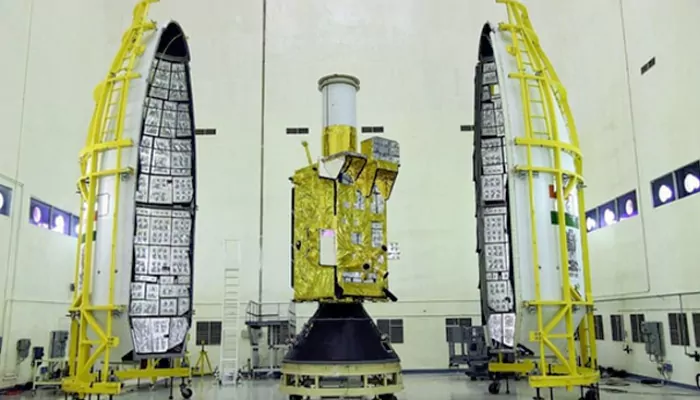
NVS‑02 and EOS‑09, ISRO
(@r/India defense)
India had a packed slate too. ISRO flew navigation and Earth-observation satellites such as NVS-02 and EOS-09, strengthened its commercial launch profile with LVM3 missions, and rolled out fresh data from solar observatory Aditya-L1, bolstering India’s credentials in heliophysics.
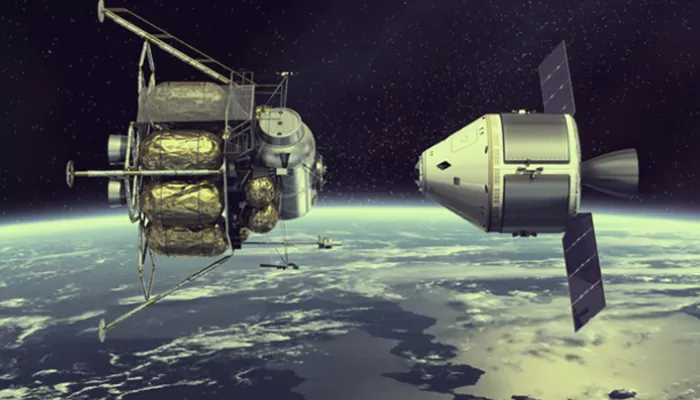
ISRO’S SPADEX Mission
The year also saw big steps toward human spaceflight: uncrewed Gaganyaan test hardware moved into place at Sriharikota, with docking experiments like SPADEX and other technology demonstrators proving critical systems in orbit.
Lunar exploration in 2025
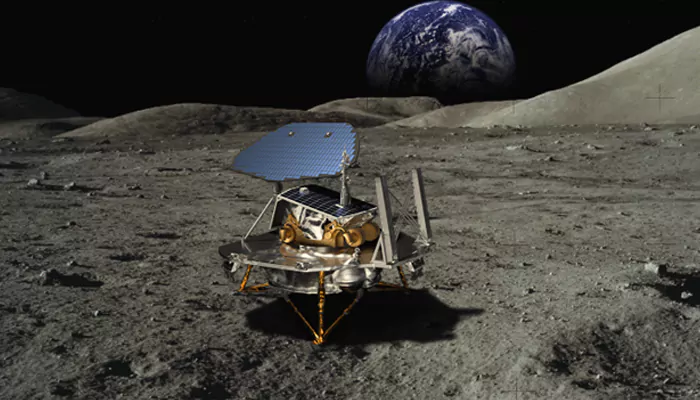
NASA’s Commercial Lunar Payload Services (CLPS) initiative
((@Credit: NASA)
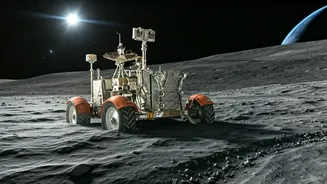
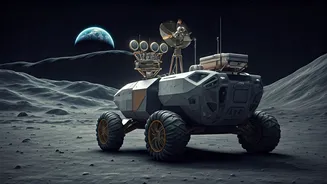
It felt less like a sequel and more like a spin-off universe. Under NASA’s Commercial Lunar Payload Services (CLPS) initiative, private players flew landers such as Firefly Aerospace’s Blue Ghost Mission 1, delivering science instruments and commercial payloads to Mare Crisium and returning an impressive haul of images and environmental data. These missions aren’t just flag-planting exercises; they’re testing communications, landing tech and resource-prospecting tools that future astronauts will rely on when extended lunar stays stop being science fiction and become just another rota in the schedule.
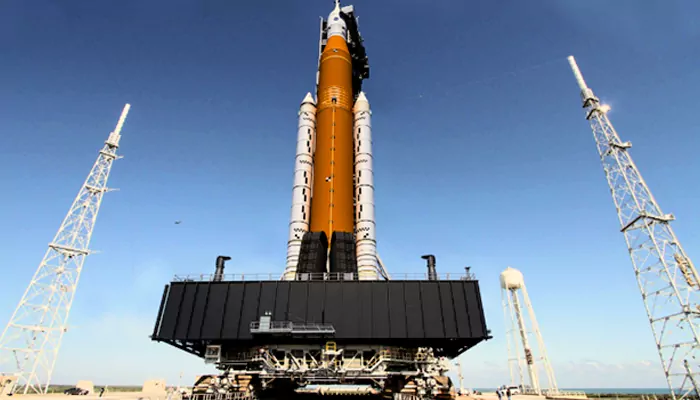
(Credit:Artemis NASA)
In parallel, Artemis kept inching toward its big moment. Hardware and procedures for Artemis II - the first crewed lunar flyby since Apollo - went through 2025 reviews and rehearsals, with NASA setting its sights on an early-2026 launch window to send four astronauts on a roughly ten-day loop around the Moon. It’s essentially a stress test for the Space Launch System rocket, Orion capsule, life-support and navigation architectures, a final “are we sure?” before later missions attempt surface landings.
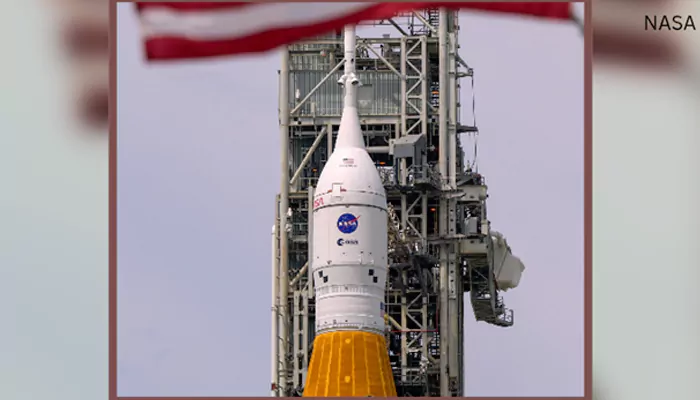
Orion Spacecraft
2026: Buckle Up
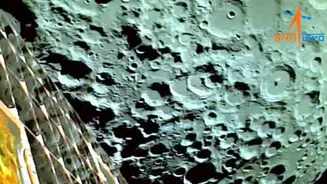
If 2025 was frenetic, 2026 looks like the year the tempo actually steps up. On the human spaceflight side, Artemis II is expected to finally leave the pad, carrying its crew on that long-anticipated circumlunar cruise - no landing, but a huge psychological leap in returning people to deep space. PRC plans to dispatch Chang-e-7 toward the Moon’s south pole, hunting for water ice and mapping terrain for future resource utilisation, part of a larger push to turn that region into a hub for sustained activity.
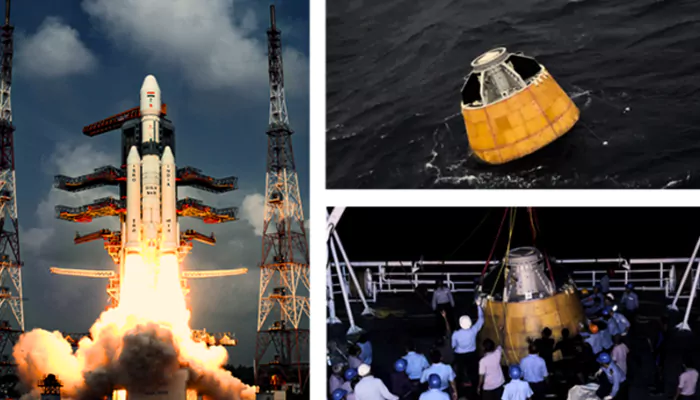
First uncrewed Gaganyaan “G1” flight
(Credit: ISRO)
ISRO, for its part, has announced an ambitious plan: seven to nine major missions before March 2026, including the first uncrewed Gaganyaan “G1” flight, additional PSLV and LVM3 launches, a GSLV-F17 mission and technology-development flights like PSLV-N1. Together, these aim to validate crew-safety systems, grow India’s commercial launch portfolio and test next-gen hardware, all aligned with a broader political goal of hitting around 50 launches in five years.
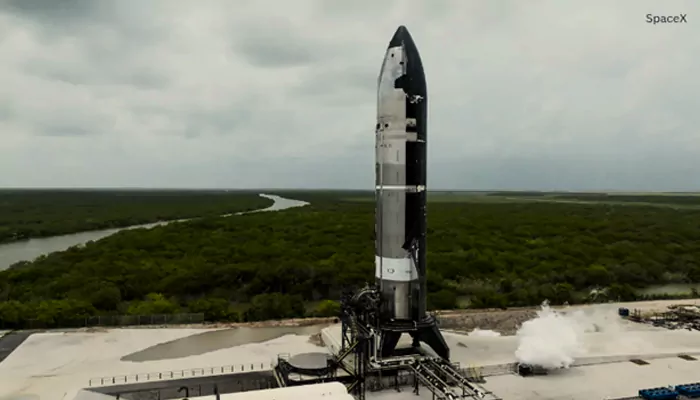
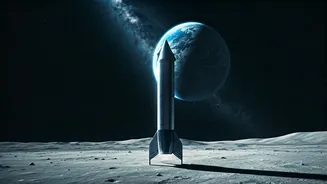
A Starship upper stage on the test stand at the Massey's site at SpaceX's Starbase facility in South Texas.
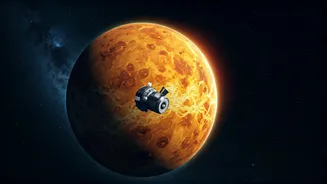
Commercial players won’t be quiet either: Starship tests, Starlink batches and private lunar or Venus missions are parked across the manifest, giving 2026 a distinctly mixed public–private flavour.

NISAR Space Mission
Data from Earth-observation missions such as NISAR, TRACERS and others is expected to feed into agriculture planning, disaster-response models and climate dashboards, pulling spaceflight out of the realm of pure curiosity and into daily life.
So, as 2025 winds down, the sense isn’t that of a curtain call - it’s more like the lights dimming between acts. The real story, the one 2026 seems eager to tell, is that space is quietly shifting from spectacle to infrastructure, from “mission of the decade” to “what’s on the schedule next quarter?” And honestly, that might be the most exciting plot twist yet.