
Because motivation fades, but strategy lasts.
Turn resolutions into routines that stick.
Every year, millions of Indians students, professionals, parents,
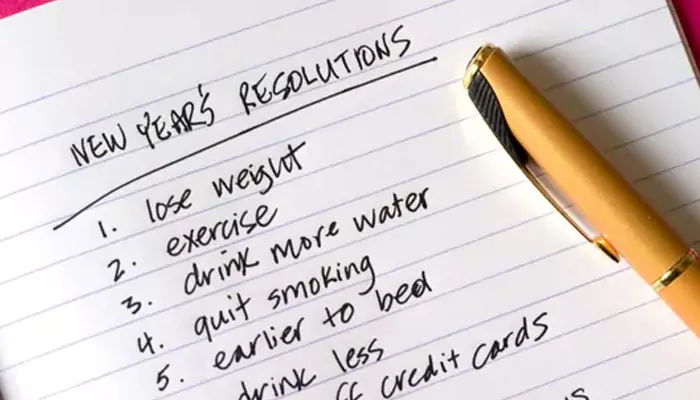
entrepreneurs kick off January with a fresh set of goals: lose weight, save more money, travel, read books, meditate, get organized, or start a side hustle. Social media fills with planners, journals, and pep talks.
By mid-February, most of those resolutions have either slipped quietly or crashed spectacularly.
So why do so many good intentions collapse within six weeks? And more importantly how can you break the cycle starting now?
Motivation Isn’t a Strategy- It’s a Spark
Neuroscience and behaviour science both point to one truth: motivation is fleeting. It feels powerful during New Year zeal, but it fades sometimes within days.
In psychological terms, motivation is an emotional drive not a system. Without a plan, monitoring mechanisms, or replacement habits, your early enthusiasm evaporates.
That’s why resolutions fail. People lean on feeling motivated instead of building motivated systems.
Resolutions Are Too Big, Too Fast
A classic mistake: promising too much, too soon.
“I’ll hit the gym every day.”
“I’ll read 50 books this year.”
“I’ll save half my salary.”
Ambition is admirable but sweeping goals without stepwise actions are overwhelming.
Research shows that habits take on average 66 days to form (some longer), and trying to overhaul your lifestyle overnight is a recipe for burnout, not progress.

Lack of Clear, Measurable Goals
Vague resolutions are invisible to your own brain. When you say “I want to get healthier”, your brain keeps asking, “Okay… but what exactly?”
Good goals need clarity:
Lose 4 kg by March
Save Rs. 5,000 per month
Read one book every two weeks
Meditate for 10 minutes daily
The more specific a goal, the easier it is to follow and measure.
No Accountability Loop
Humans are social creatures, we perform better when others are aware of our goals. According to behaviour experts, accountability boosts adherence significantly.
Posting progress, sharing goals with an accountability partner, or even tracking in a visible notebook can make the difference between consistency and crash.
Emotional Triggers Trump Logical Goals
Goals usually target the logical brain, but behaviour is driven by the emotional brain. Without linking a resolution to a deeper emotional “why,” you’re asking your future self to act against impulse.
Example:
Logical: “I should save money.”
Emotional: “I want financial freedom so I feel secure and confident.”
The emotional motivator is stronger and lasting.
How to Beat the New Year Resolution Crash: A 5-Step Plan
Step 1: Set S.M.A.R.T.E.R. Goals
Specific — Measurable — Achievable — Relevant — Time-bound — Emotionally linked
Not “exercise more,” but “Walk 6,000 steps 5 days a week for 12 weeks.”
Step 2: Start With “Micro-Habits”
Instead of grand commitments, build tiny habits that are almost impossible to skip:
5 squats before shower
Rs. 100 auto-transfer to savings daily
10 minutes reading before sleep
Small wins create momentum.
Step 3: Use Habit Stacking
Attach a new habit to an existing one:
After brushing teeth → meditate 3 minutes
After lunch → log expenses
After waking up → hydrate
This leverages existing routines to build new ones.
Step 4: Track, Review & Adjust Weekly
Tracking reinforces action. At the end of each week, ask:
What worked?
What didn’t?
What changes are needed?
This turns resolution into progress monitoring — a critical mindset shift.
Step 5: Build an Accountability Ecosystem
Tell a friend, join a community, use an app accountability makes your brain take your commitments seriously.
Even a weekly check-in text or shared spreadsheet can dramatically increase success rates.
Indian Context: Why This Matters More in 2026
In India, where cultural festivities, family responsibilities, and fluctuating schedules often derail routine, consistency is the real victory. January isn’t just a reset on the calendar, it’s an opportunity to refresh your financial life, fitness goals, learning habits, and mental well-being, not in a sprint, but in a marathon with checkpoints.
With rising cost of living, increasing digital distractions, and more demands on attention than ever, learning how to set realistic goals and sustain momentum is not a cliché, it’s a life skill.
The problem isn’t that people lack willpower, it’s that most resolutions are built on motivation, not mechanics. If 2025’s goals fizzled by February, it’s not because you failed, it’s because most plans were unscalable.
But here’s the good news:
Success isn’t about perfection. It’s about persistence.
And persistence comes from structure, not wishful thinking.
This January, treat your resolutions like projects — with goals, timelines, checkpoints, accountability, and emotional reasons that make them worth sticking to.
Make 2026 the year when your resolutions stop dying by February and start living all year long.