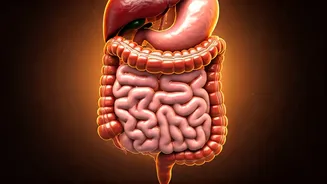

If you eat too much fiber, drink too much carbonated water, or eat and drink too quickly, you may experience uncomfortable bloating after eating, but this
is typically not a cause for alarm.
Most individuals occasionally suffer from the uncomfortable sensation of feeling too full after eating. It can lead to bloating and discomfort in the stomach, and it may even be accompanied by gas or burping.
Even though gas and bloating after eating are prevalent, there are certain measures you may take to lessen or eliminate them. Here are some strategies to keep your stomach from expanding after eating.
Don't load up on the fiber
Carbohydrates from indigestible plant sources are called "fiber." It plays a crucial role in the body by assisting in the control of sugar, among other things.
However, some people may have excessive gas production after consuming meals high in fiber.
Food allergies and intolerances should be taken into consideration. Intestinal gas is a common sign of food intolerance or allergy. Overproduction of gas or trapped gas in the gastrointestinal system can be caused by intolerances and allergies. Wheat or gluten-containing meals seem to be the culprits in this case.
The only surefire way to pinpoint a person's food intolerances or allergies is by trial and error, as there are no reliable diagnostic tests available. Keeping a food journal might help pinpoint the specific items that are triggering symptoms like bloating.
Stay away from fatty meals
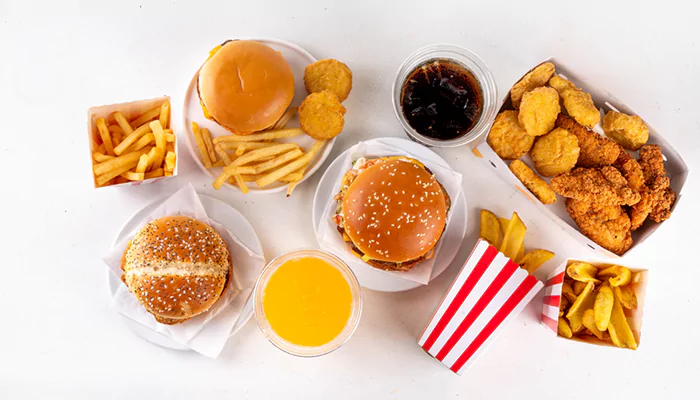
Fat is a vital source of energy and should be included in every diet. Fats are digested more slowly than other foods because they take longer to go through the digestive tract and may prevent the stomach from emptying as quickly. It may induce bloating in those who are susceptible.
A possible solution for those who suffer from this is to cut back on fatty meals. One study that looked at people who had trouble emptying their stomachs showed that eating a lot of solid food heavy in fat made their symptoms worse.
Slowing down one's consumption of both liquids and solids
When a person consumes liquids or food at a rapid pace, they tend to swallow more air than is healthy, which can contribute to a build-up of gas in the digestive tract.
Bloating may result from eating or drinking too rapidly; therefore, practicing slower eating habits may help.
Steer clear of sodas and other fizzy beverages
Carbon dioxide, found in sodas and other carbonated beverages, is a gas that can accumulate in the digestive tract and cause abdominal distension. Diet sodas aren't immune to this problem, however.
If you want to avoid gas and bloating, plain water is your best bet over carbonated beverages.