
Beyond the Taj: The Man History Often Reduces to Marble
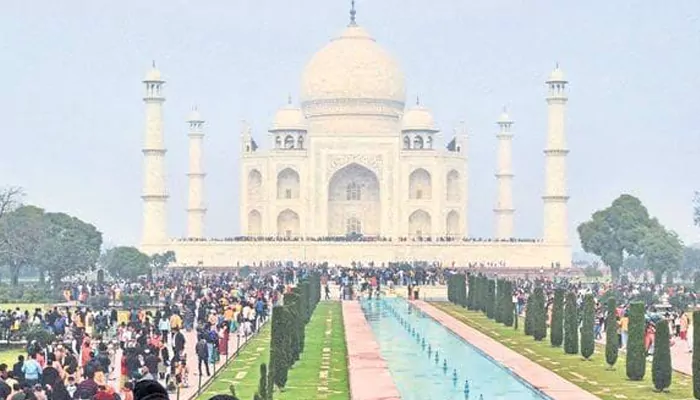
When we think of Shah Jahan, one image instantly comes to mind: the Taj Mahal, glowing in white
marble, symbolising eternal love. But reducing Shah Jahan to just the creator of the Taj is like reading only one page of a very complex book.
On his death anniversary, it’s worth revisiting the man behind the monument, a ruler of contradictions, refined taste, immense ambition, and deeply human flaws. Shah Jahan wasn’t just an emperor who built a wonder; he was one who reshaped Mughal culture, architecture, and imperial identity.
Shah Jahan Was a Perfectionist, Almost to a Fault
Born as Prince Khurram, Shah Jahan was known for his obsession with symmetry, balance, and visual harmony. This perfectionism defined his reign.
From palaces to mosques, nothing was built without meticulous planning. Historians believe Shah Jahan personally supervised architectural designs, demanding flawless execution. The Taj Mahal’s symmetry wasn’t accidental, it reflected the emperor’s belief that order and beauty symbolised divine rule.
This obsession elevated Mughal architecture to its golden age.
He Was a Patron of Art, Not Just Architecture
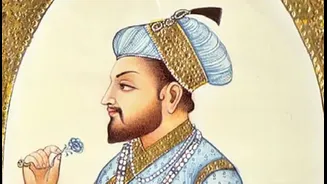
While monuments dominate his legacy, Shah Jahan was also a great patron of painting, poetry, and craftsmanship.
Miniature paintings flourished under his reign, focusing on elegance rather than grandeur. Court artists shifted from dramatic war scenes to refined portraits and royal ceremonies. Even jewellery, textiles, and calligraphy reached new levels of sophistication.
In many ways, Shah Jahan’s court represented Mughal culture at its most polished.
The Taj Mahal Wasn’t His Only Architectural Masterpiece
The Taj often overshadows Shah Jahan’s other contributions, but his architectural vision extended far beyond Agra.
He commissioned:
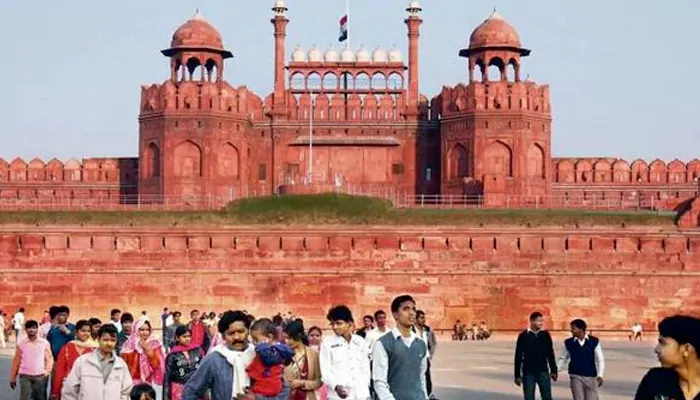
- Red Fort in Delhi, transforming it into a symbol of imperial power
- Jama Masjid, one of India’s largest and most enduring mosques
- Shalimar Gardens, blending Persian aesthetics with Indian landscapes
Together, these structures defined what we now call classical Mughal architecture.
A Romantic, Yet Ruthless Ruler
Shah Jahan’s love for Mumtaz Mahal is legendary, but his political life was far from gentle.
He was deeply involved in power struggles, military campaigns, and succession politics. His reign saw strict control over administration and harsh decisions against rivals.
This duality the romantic builder and the uncompromising emperor, makes Shah Jahan one of the most complex figures in Indian history.
His Fall Was As Tragic As His Rise Was Grand
Perhaps the most heartbreaking chapter of Shah Jahan’s life came at the hands of his own son, Aurangzeb.
In the final years of his life, Shah Jahan was imprisoned in Agra Fort, stripped of power, and forced to watch the Taj Mahal from a distance, the very monument that symbolised his deepest love.
Legend says he spent his final days gazing at the Taj’s reflection in the Yamuna, a fallen emperor remembered more for his creation than his crown.
He Planned His Own Resting Place And Lost Control of It
Shah Jahan intended to be buried beside Mumtaz in the Taj Mahal, maintaining its symmetry even in death. Ironically, his burial slightly disrupted the monument’s perfect balance, a reminder that even emperors cannot control legacy entirely.
Yet, resting beside Mumtaz, he achieved what few rulers ever do: immortality through memory.
Why Shah Jahan Still Matters Today
In modern India, Shah Jahan’s story resonates beyond textbooks.
He represents:
- The power of artistic vision
- The cost of absolute ambition
- The fragile nature of authority
- The timeless human desire to be remembered
The Taj Mahal attracts millions each year not just because it is beautiful, but because it carries a deeply human story.
Shah Jahan’s life was a blend of brilliance and tragedy, love and loss, control and surrender. He ruled one of the world’s richest empires, yet died a prisoner. He commanded armies, yet is remembered most for a monument built in grief.
In remembering Shah Jahan today, we remember not just an emperor, but a man who tried to freeze love in stone, and succeeded.