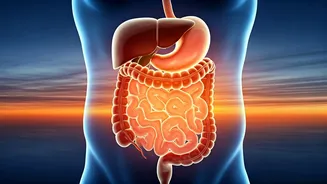









The foods you eat have a profound effect on your mind and body. But, the timing of your last meal matters as well. For a healthy body, you must follow
these guidelines.
Breakfast has been riding the popularity wagon for a while now. It has been deemed the most important meal of the day by several nutritionists. But, in reality, dinner is just as important, and what you may be eating at dinnertime affects your health just as much, if not more. Ayurveda says that dinner is one meal that you need to be extremely careful about. It is also very important to have it at the same time every day.
The last segment of the day is ruled by kapha, and whatever food you consume must balance kapha, and not increase it.

What Should We Eat At Night?
According to Ayurveda, we should eat food that you can digest easily. Try to consume something low in carbohydrates as it can get digested quickly and easily. Don't consume curd at night; instead, opt for buttermilk. Choose chapatis over rice, as rice tends to be very starchy. Don't stuff yourself. Include green leafy vegetables, dal, curry leaves, and a little bit of ginger in your meals. Salt increases water retention, hence, cut down its intake as much as possible. Reduce your sugar intake. You can replace it with jaggery. Or better still, use honey. It helps in reducing mucus in your body.
Spices get a bad rep, but they increase the warmth in your body. So, consume spices. If you drink milk before going to sleep, opt for low-fat type. Make sure to boil it before consumption this makes it much easier to digest. Add a tiny bit of ginger or a few cardamoms to your milk while boiling it. It will reduce your body's mucus generation.

Avoid drinking cold milk. It is best to consume it while warm. You need to make sure that whatever you eat for dinner, you should not feel heavy or overstuffed. Your stomach should feel light, but your hunger should be satisfied. This will enable you to have a good night's sleep.
Those who don't follow these guidelines could face issues like:

- Weight gain
- Indigestion
- Allergies
- Cough and cold. Your condition may worsen if you already have a cold.
- A runny nose
- Vomiting and nausea
- Excessive salivation.