








Surgery to replace a damaged or diseased knee joint with artificial prosthesis is known as knee replacement surgery. Here are the changes in your diet
you need post-surgery.
When it comes to bearing weight, no other joint in the body is more crucial than the knee. The femur, the shinbone (tibia), and the kneecap (patella) make up the knee. When the patella is in place, it prevents the femur from sliding from beneath the surrounding muscles. Rheumatoid arthritis and osteoarthritis arthritis, which cause scarring outside the bone joints, are the leading causes of knee replacement surgery. The vast majority of sufferers actually seek out this treatment and get relief. However, knowing what to eat after surgical treatment is crucial. We can find out more about it if we take a look, so let's do that now. A list of the top foods that can be eaten after knee replacement follows.
Yogurt
A healthy addition to the diet following knee replacement surgery is yogurt. Some antibiotics used before, during, and after surgery might alter the normal bacterial flora of the digestive tract. However, you can get through it since you've been through something similar. It provides healing-promoting zinc, protein, and probiotics, aiding digestive health.
Fluids
Clean water and other fluids are great for keeping the digestive system running smoothly. Getting back on a regular diet after surgery requires relying on clear water first. Coconut water, apple juice, and pomegranate juice are all excellent examples of the kind of fluids you might include. You should seek suitable alternatives if allergic to a specific fruit.
Berries
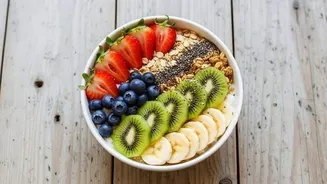
Antioxidants in abundance in berries help keep the immune system healthy and robust. Individuals who have recently had surgery benefit from their use in warding off infection. For optimal health, make sure to incorporate it into your daily diet.
Vegetables
The high antioxidant and fiber content of dark green veggies also aids digestion. As a result, the immune system is bolstered, and the individual can better deal with the effects of seasonal variations and allergies.

Consume A Lot Of Protein
Foods like cottage cheese and beans are good sources of protein. A diet rich in these foods has improved bone and muscular health, enhancing resistance to disease and illness.
Citrus-Rich Foods
Collagen production in the body can be increased by eating C-vitamin foods like lemons, kiwi, potatoes, or other citrus fruits. It helps to facilitate movement by acting as a lubricant between various connective tissues. There are also different alternative dietary options available that may be used as a substitute throughout the patient's rehabilitation time.